




The Three Pillars of Perfect Rice
Across India, from the fragrant basmati fields of the north to the robust matta rice paddies of Kerala, the formula for perfect rice rests on three pillars: water, heat, and rest. It’s a delicate dance of science and tradition. Water absorption is key;
each grain must hydrate properly. This process, known as starch gelatinization, is what transforms hard grains into soft, edible food. Heat must be consistent and gentle enough to cook the rice evenly without burning the bottom layer. Finally, and perhaps most overlooked, is the resting period. Letting the rice sit off the heat allows the moisture to redistribute evenly, ensuring every single grain is uniformly cooked and firm, not mushy. Mastering this trio is the first step to leaving disappointing rice behind for good.
The Aromatic Aristocrat: Basmati
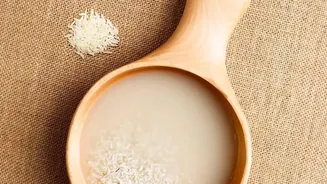
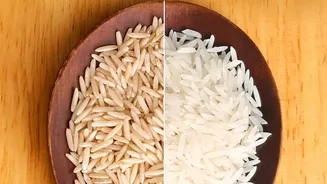
Long-grained, nutty, and famously aromatic, Basmati is the king of Indian rice. Its delicate structure requires a specific approach to yield those coveted separate, fluffy grains. The cardinal rule is to rinse the rice thoroughly under cold water to remove excess surface starch that causes stickiness. For truly superior results, soaking the rice for 20-30 minutes is a non-negotiable step for many seasoned cooks as it helps the grains cook more evenly and elongate fully. The ideal water-to-rice ratio for the absorption method is typically 1 cup of rice to 1.5 cups of water. Once the water is absorbed, the pot is taken off the heat and left to rest, covered, for at least 10 minutes. This allows the starches to set and any residual steam to finish the cooking process gently, a technique that ensures maximum fluffiness.
The Everyday Staple: Sona Masuri
A popular medium-grain rice in South and West India, Sona Masuri has a different character entirely. It’s lighter and less starchy than some other varieties, making it a versatile choice for daily meals. Unlike basmati, it requires more water to cook properly. A common ratio is 1 cup of Sona Masuri to 2 or even 2.5 cups of water, especially if a softer texture is desired for dishes like curd rice. Because of its different starch composition, it can become sticky if not handled correctly. Like basmati, rinsing is beneficial. However, the cooking process often involves bringing it to a boil and then simmering until the water is absorbed. The resting period is just as vital here to prevent a mushy texture and allow the grains to firm up.
The Hearty Red Grain: Kerala Matta
Earthy, nutritious, and distinctively robust, Kerala Matta rice (also called Rosematta) requires a completely different approach. This par-boiled red rice has a thicker bran layer, meaning it needs more water and a longer cooking time to become tender. Soaking for at least 30 minutes is highly recommended to reduce cooking time. When cooking Matta rice, many traditional methods don't use the absorption technique at all. Instead, the rice is boiled in a large volume of water—sometimes a ratio as high as 1:8—much like pasta. It's cooked until tender, which can take anywhere from 20 to 45 minutes, and then the excess starchy water is drained completely. This method prevents the grains from becoming gummy and ensures they remain separate and firm, perfect for standing up to rich Kerala curries.
Why the Final Rest Is Not Optional
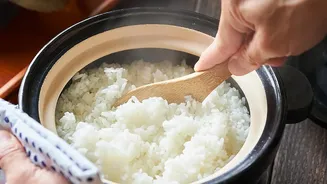
It might feel like an unnecessary delay when you’re hungry, but skipping the resting period is one of the biggest mistakes in rice cookery. Immediately after the heat is turned off, the moisture in the pot is unevenly distributed, with the bottom layer being wetter than the top. Letting the rice sit, covered and undisturbed, for 5 to 15 minutes allows the magic of steam redistribution to happen. The grains absorb the remaining steam, firm up, and achieve a uniform texture from top to bottom. Some cooks even place a clean dish towel between the pot and the lid to absorb excess moisture, guaranteeing an even fluffier result. This simple act of patience is the final step that transforms good rice into great rice.