



The Timeless Classic: Chawal ki Kheer
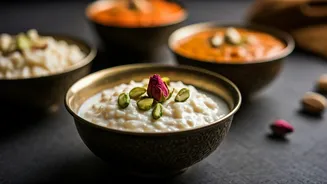
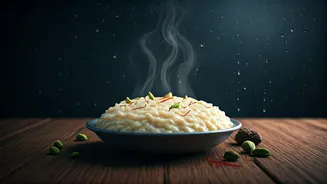
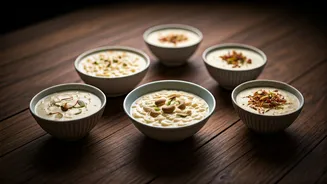
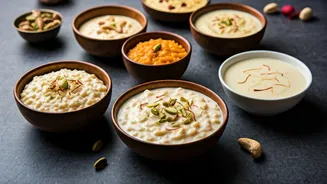
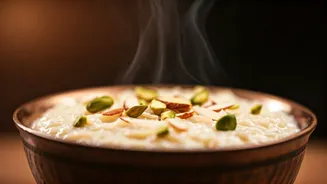
This is the quintessential kheer, the one that likely comes to mind first. Made by slow-cooking rice in milk until it breaks down and thickens into a creamy, luscious pudding, Chawal ki Kheer is a staple in North Indian homes. The magic lies in its simplicity:
rice, milk, sugar, and the fragrant touch of cardamom. [16, 17] Often garnished with slivered almonds and pistachios, every spoonful is pure comfort. The key is patience; letting the milk simmer and reduce naturally is what gives this kheer its signature rich texture and flavour. While recipes vary from family to family, some like to use short-grain or basmati rice, either whole or slightly broken, to achieve the perfect consistency. [28, 31]
The Refined Cousin: Phirni
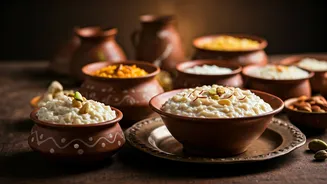
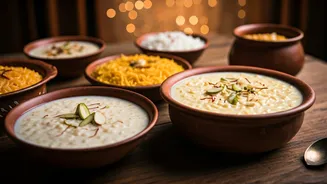
While similar to Chawal ki Kheer, Phirni offers a more refined and smoother experience. Originating from Mughal kitchens, its defining characteristic is the use of ground rice instead of whole grains. [9, 12, 13] This creates a silky, melt-in-your-mouth texture that is incredibly delicate. The rice is typically soaked and then ground into a coarse paste before being cooked in milk. [10] Phirni is traditionally flavoured with saffron and rose water and served chilled in small earthenware bowls called 'kulhads' or 'shikoras', which absorb excess moisture and impart a unique earthy aroma. [8, 9] It's a dessert reserved for special occasions, a true royal treat.
The Fasting Favourite: Sabudana Kheer
Come Navratri, Mahashivratri, or any other fasting day, Sabudana Kheer takes centre stage. [25, 29] Made with tapioca pearls (sabudana), it has a unique and delightful texture. The pearls become translucent and soft when cooked in milk, creating a pudding that is both light and satisfying. [25, 26] As sabudana is pure starch, it provides a quick boost of energy, making it an ideal food for those observing a vrat (fast). [18, 23] The preparation involves soaking the sabudana pearls until they swell, then simmering them in sweetened milk flavoured with cardamom and saffron. It’s a comforting dish that proves fasting food can be just as delicious.
The Southern Star: Semiya Payasam
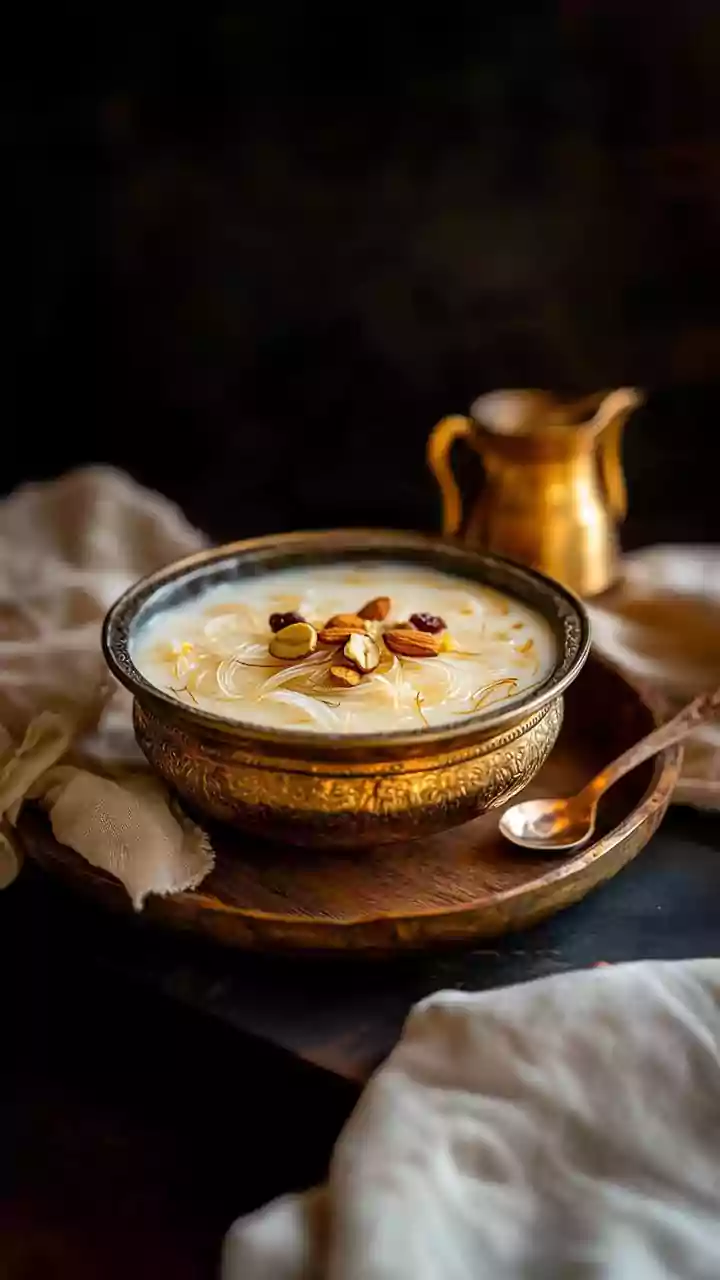
Travel down south, and you'll find Payasam, the regional name for kheer. [16] Semiya Payasam, made with vermicelli, is one of the most popular versions, especially in Kerala. [4, 6] The fine strands of wheat vermicelli are first roasted in ghee until golden brown, which imparts a wonderful nutty aroma and prevents them from getting mushy. [5, 15] They are then cooked in milk with sugar or condensed milk until tender. [4, 5] The final flourish is a garnish of ghee-fried cashews and raisins, adding a delightful crunch and sweetness. Served during festivals like Onam and other celebrations, Semiya Payasam is a quick, easy, and unfailingly delicious dessert. [6]
The Healthy Indulgence: Makhane ki Kheer
For a lighter but equally delicious option, there's Makhane ki Kheer. Makhana, or fox nuts, are puffed lotus seeds that are low in calories and rich in nutrients. [27] To make this kheer, the makhana are roasted in a little ghee until they become crisp and then simmered in milk. [27, 30] Some recipes call for grinding a portion of the roasted makhana to help thicken the kheer naturally. [24] Often prepared during religious fasts in regions like Bihar, this kheer is flavoured with cardamom and nuts and offers a unique, slightly chewy texture that is wonderfully satisfying. [7, 11]