





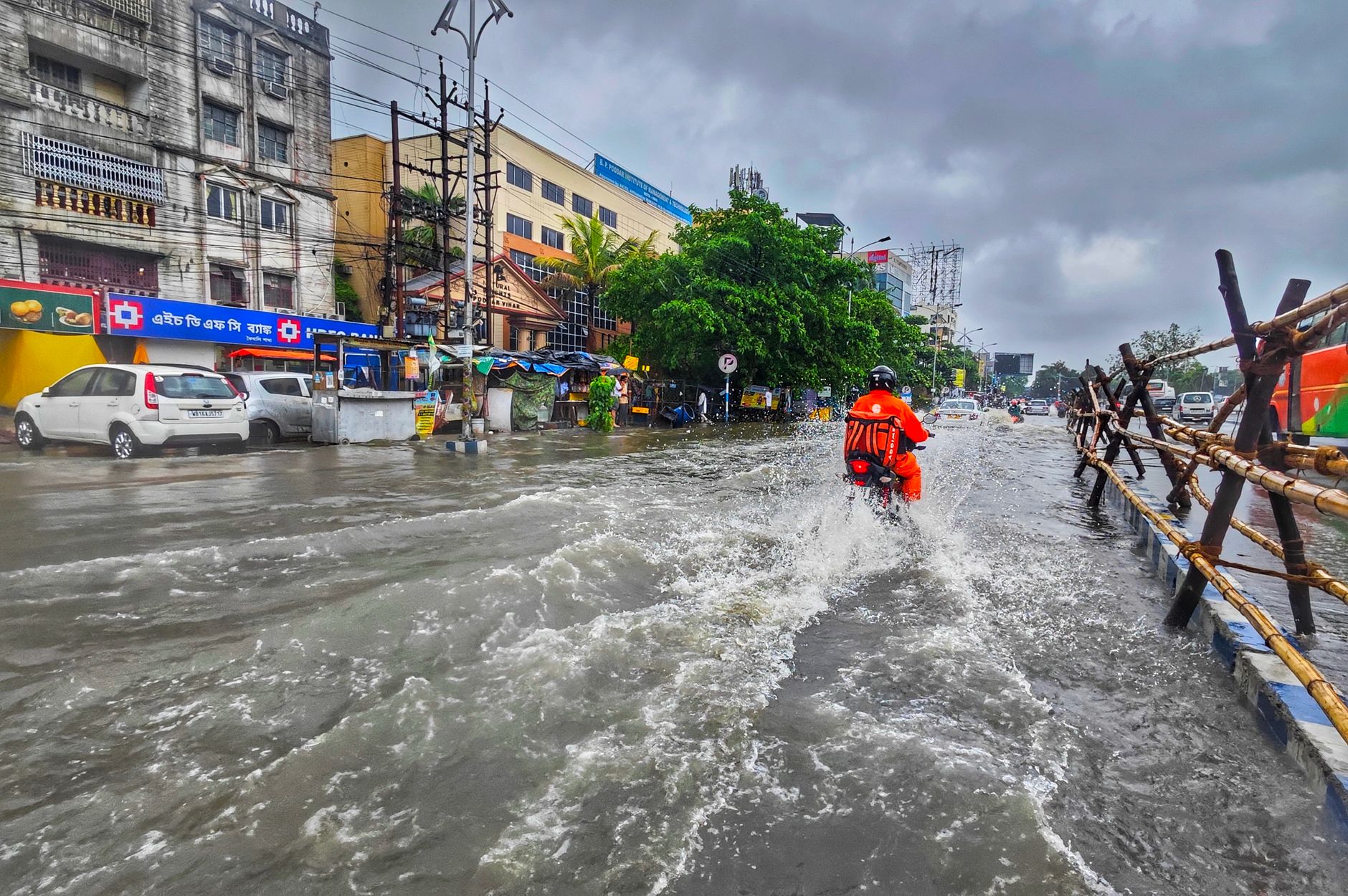

The Monsoon's Slow Retreat
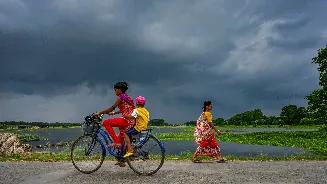
The end of the southwest monsoon isn't like flipping a switch. Instead of an abrupt stop, the monsoon undergoes a gradual withdrawal that can take weeks. This process typically begins from the northwestern parts of India around mid-September and slowly
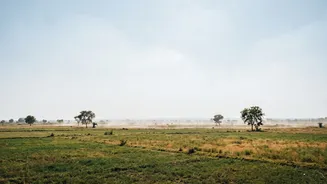
moves southeast. During this transitional phase, the consistent, rain-bearing cloud systems that defined the past few months become erratic and less widespread. This means fewer rainy days and longer spells of dry weather, setting the stage for temperatures to climb.
Clear Skies and Stronger Sun
The most direct cause of rising temperatures is the reduction in cloud cover. Monsoon clouds act like a natural umbrella, blocking a significant amount of direct solar radiation from reaching the ground. As these clouds dissipate during the withdrawal phase, the sky becomes clearer. This allows for more uninterrupted sunlight to heat the land surface, leading to a sharp increase in daytime temperatures. This effect is similar to the intense heat felt during pre-monsoon summer months, just with a lot more moisture left in the air.
A Fundamental Shift in Wind Direction
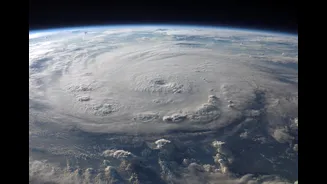
The southwest monsoon is characterized by moisture-laden winds blowing from the sea towards the land. As the monsoon retreats, this pattern reverses. The winds begin to change direction, often becoming drier westerlies or north-westerlies. These new wind patterns originate over land and don't carry the same amount of moisture, meaning they don't bring cooling rains. This shift in atmospheric circulation is a key part of the transition, replacing the humid, rain-filled air mass with a drier, hotter one.
The Uncomfortable Role of Humidity
While temperatures rise due to clearer skies, the lingering humidity is what makes the September heat feel so oppressive. The ground and lower atmosphere are still saturated with moisture from the preceding months of rain. High humidity makes it harder for the human body to cool itself through sweating, because the sweat doesn't evaporate as quickly into the moisture-filled air. This creates a high 'heat index' or 'feels-like' temperature, which is often significantly hotter than what the thermometer reads. This combination of high heat and high humidity is why the post-monsoon period can feel particularly sticky and exhausting.
Understanding 'Breaks' in the Monsoon
Even before its final withdrawal, the monsoon can experience 'break' periods. These are spells where rainfall activity significantly reduces over the Indian mainland. During these breaks, which can last for several days, conditions mimic the withdrawal phase: skies clear up, solar radiation increases, and temperatures rise. While these are temporary, they contribute to the perception of September being a hot month, as these heat spells punctuate the otherwise rainy season. Factors like El Niño can also influence the monsoon, sometimes leading to weaker rainfall and more prolonged dry, hot periods.