



Understanding the National Focus on Nutrition
You may have heard about India's concerted effort to improve health outcomes for children. This national mission, known as POSHAN Abhiyaan (or National Nutrition Mission) and its successor Poshan 2.0, aims to reduce stunting, under-nutrition, and anaemia
in young children and women. The program emphasizes the first 1,000 days of a child's life as a critical window for development. The core idea is to make nutrition a 'Jan Andolan' or a people's movement, encouraging awareness and better practices at the community level. For parents, this initiative serves as a powerful reminder that the food choices we make for our children contribute to a larger national goal: a healthier India.
Why a Diverse Diet is Non-Negotiable
A diverse diet is scientifically proven to be crucial for a child's development. It's not just about filling their stomachs; it's about providing a wide range of micronutrients—vitamins and minerals that are essential for growth, brain development, and a strong immune system. Studies show that a lack of dietary diversity is directly linked to higher risks of stunting and being underweight. Simply put, no single food can provide all the nutrients a growing body needs. By including a variety of foods, you ensure your child gets a complete toolkit of nutrients to build strong bones, sharp minds, and robust immunity to fight off infections.
The Five Food Groups Your Child Needs
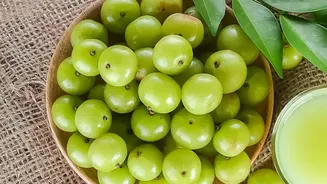
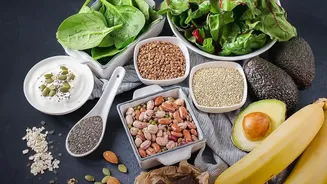
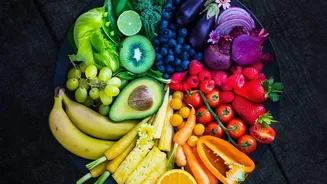
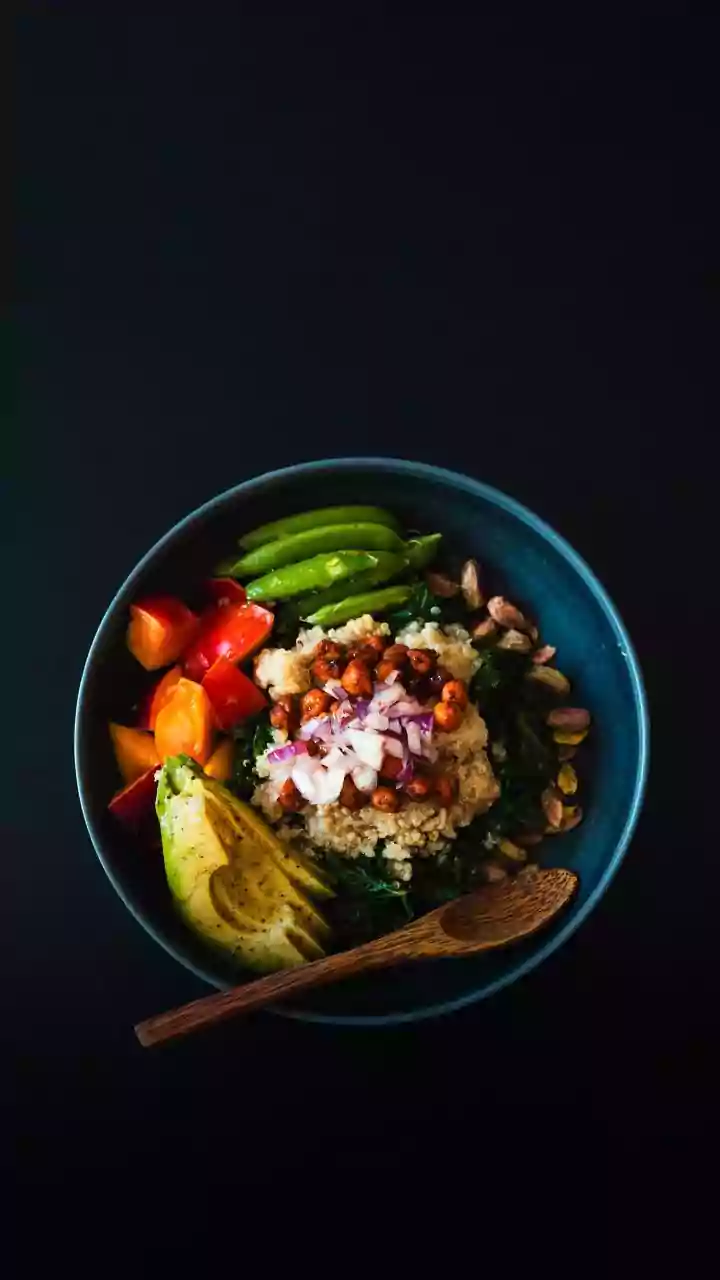
To simplify balanced eating, think in terms of five essential food groups. A child's daily plate should ideally feature a mix of these. First are grains like rice, roti, and millets, which provide crucial energy. Second, proteins from sources like dal, beans, eggs, paneer, or chicken are the building blocks for growth. Third and fourth are vegetables and fruits, which should be as colourful as possible to provide a wide array of vitamins and minerals. Finally, dairy products like milk and curd offer calcium for strong bones, alongside healthy fats from sources like ghee, nuts, and seeds, which are vital for brain health.
Making 'Different' Delicious and Fun
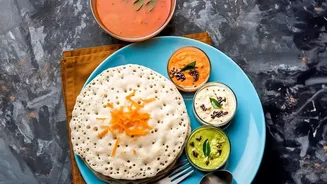
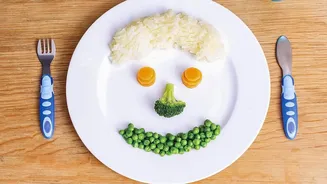
Introducing new foods to children, especially picky eaters, can be a challenge. The key is to be patient and creative. Start by introducing new flavours early and gradually. You can mix finely chopped vegetables into familiar dishes like dal, parathas, or dosa batter. Involve your child in the meal preparation process, like washing vegetables or stirring ingredients; this gives them a sense of ownership and makes them more likely to try the food. Pair a new dish with a familiar favourite to make it less intimidating. Most importantly, model good eating habits yourself. When children see their parents enjoying a variety of foods, they are more likely to follow suit.
Beyond the Plate: Building Healthy Habits
Good nutrition isn't just about what kids eat, but also how they eat. Establishing a routine with regular meal and snack times helps regulate their appetite. Ensure they drink enough water throughout the day to stay hydrated. While occasional treats are fine, it is important to limit the consumption of ultra-processed foods that are high in sugar, salt, and unhealthy fats, as these offer very little nutritional value. Creating a positive and pressure-free environment during meals is equally important. Avoid forcing a child to finish their plate; instead, encourage them to try a little bit of everything. These habits, built over time, lay the foundation for a lifetime of healthy eating.