




A Silk Road Jewel Reimagined
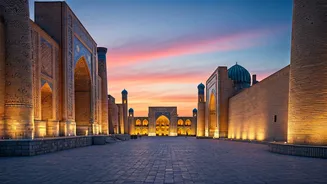
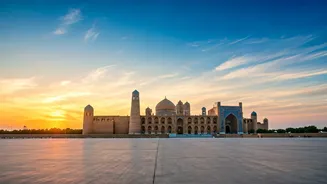
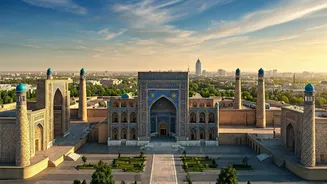
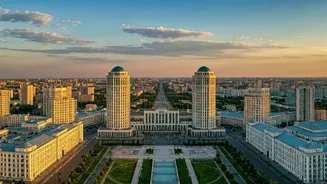
For centuries, Tashkent was a pivotal stop on the Great Silk Road, a crossroads of cultures and commerce. Today, the city is a fascinating mix of wide, tree-lined avenues, Soviet-era architecture, and immaculately restored Islamic monuments. Unlike the more
famous Uzbek cities of Samarkand and Bukhara, Tashkent offers a unique glimpse into the country's modern identity while proudly showcasing its deep history. It’s a city where glass-clad government buildings stand near ancient madrasas, and bustling modern parks sit alongside traditional bazaars. This blend of old and new makes it an intriguing entry point to Central Asia.
Why Tashkent? Why Now?
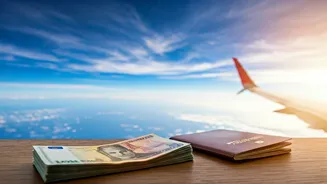
Tashkent's rising popularity isn't an accident. Several factors make it a compelling choice for 2026. Firstly, access is easier than ever. Indian citizens can now apply for a simple and affordable e-visa online, eliminating the need for complex embassy visits. Secondly, direct flight connectivity from cities like Delhi has increased, with a flight time of only about three hours. This proximity makes it a viable option for even a week-long trip. The warm hospitality, shared cultural echoes from the Mughal era, and the fact that the Indian Rupee offers strong purchasing power all contribute to its growing appeal for travellers from India.
Your Rupee Goes a Long Way
Uzbekistan is remarkably affordable, especially once you land. A solo traveller can manage a week-long trip, including flights, for around ₹45,000 if booked in advance. A meal at a local, inexpensive restaurant might cost around $6 (about ₹500), while a three-course meal for two at a mid-range spot is around $33 (about ₹2,750). Accommodation is equally budget-friendly, with clean and social hostels available for as little as ₹800-₹1,800 per night, and comfortable guesthouses or budget hotels ranging from ₹2,000 to ₹4,500. Local transport is another area where you'll save; the city's stunning metro system—an attraction in itself—costs a mere fraction of what you'd pay in other global cities.
Beyond the Metro: What to See and Do
Tashkent is more than just a gateway city. Start your exploration at the Hazrat Imam Complex, the religious heart of the city, which houses ancient manuscripts. Next, dive into the vibrant chaos of Chorsu Bazaar, a massive market under an iconic blue dome where you can find everything from fresh fruits and spices to local handicrafts. For a dose of Soviet history, wander through Independence Square and marvel at the brutalist architecture of the Hotel Uzbekistan. Don't miss a tour of the Tashkent Metro stations, each one a unique work of art with chandeliers, intricate mosaics, and marble walls. For panoramic city views, head up the Tashkent TV Tower.
A Taste of Uzbekistan
The local cuisine is a highlight of any trip. The national dish, Plov (a hearty rice pilaf with meat and vegetables), is a must-try, and dedicated Plov Centres offer huge, delicious portions for very little money. Wander through any market to find stalls selling freshly baked 'non' (bread) and savoury 'somsa' (similar to samosas). The food shares some familiar flavours with North Indian cuisine, making it both new and comforting to the Indian palate. Best of all, dining out is incredibly cheap, allowing you to feast without worrying about the bill.
Planning Your Trip: The Essentials
The best times to visit are during the spring (April-May) and autumn (September-October) when the weather is pleasant. Applying for an e-visa is a straightforward online process that takes a few days. Direct flights are available from Delhi, and booking a few months in advance can secure round-trip fares for as low as ₹20,000-₹25,000. While in the city, use the Yandex Go app for affordable and reliable taxis. For travel to other cities like Samarkand and Bukhara, the high-speed 'Afrosiyob' train is efficient and comfortable. Remember to always keep your hotel registration slips, as they may be checked upon departure.