

The Gentle Allure of the Curve
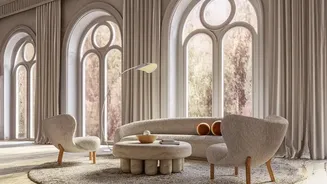
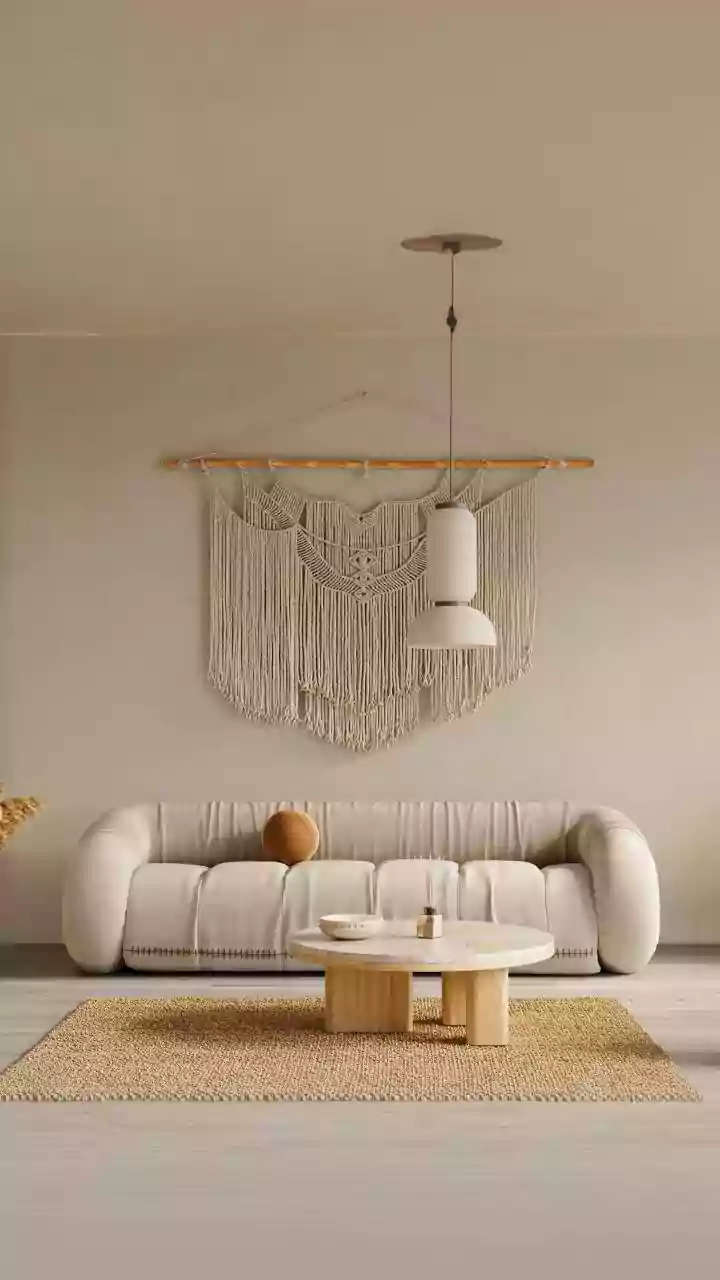
For years, straight lines and sharp angles dominated living rooms. But a softer silhouette is taking over, led by the curved sofa. Once considered a niche choice, these pieces are now at the forefront of contemporary design for their ability to transform
a space. Their gentle arcs break up the rigidity of a room, creating a more fluid and inviting environment. Designers note that curved seating naturally encourages conversation by angling people towards each other, making living rooms more social and interactive. This move away from boxy forms isn't just a trend; it's a response to a desire for homes that feel more personal and expressive. A curved sofa, whether a full semi-circle or a couch with softly rounded edges, acts as a sculptural statement piece, making a room feel thoughtfully designed.
The Grounding Power of Natural Wood
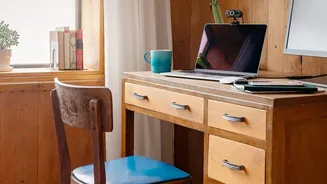
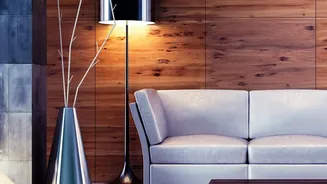
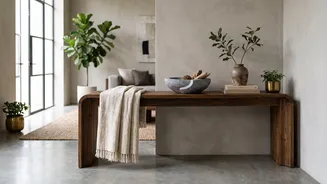
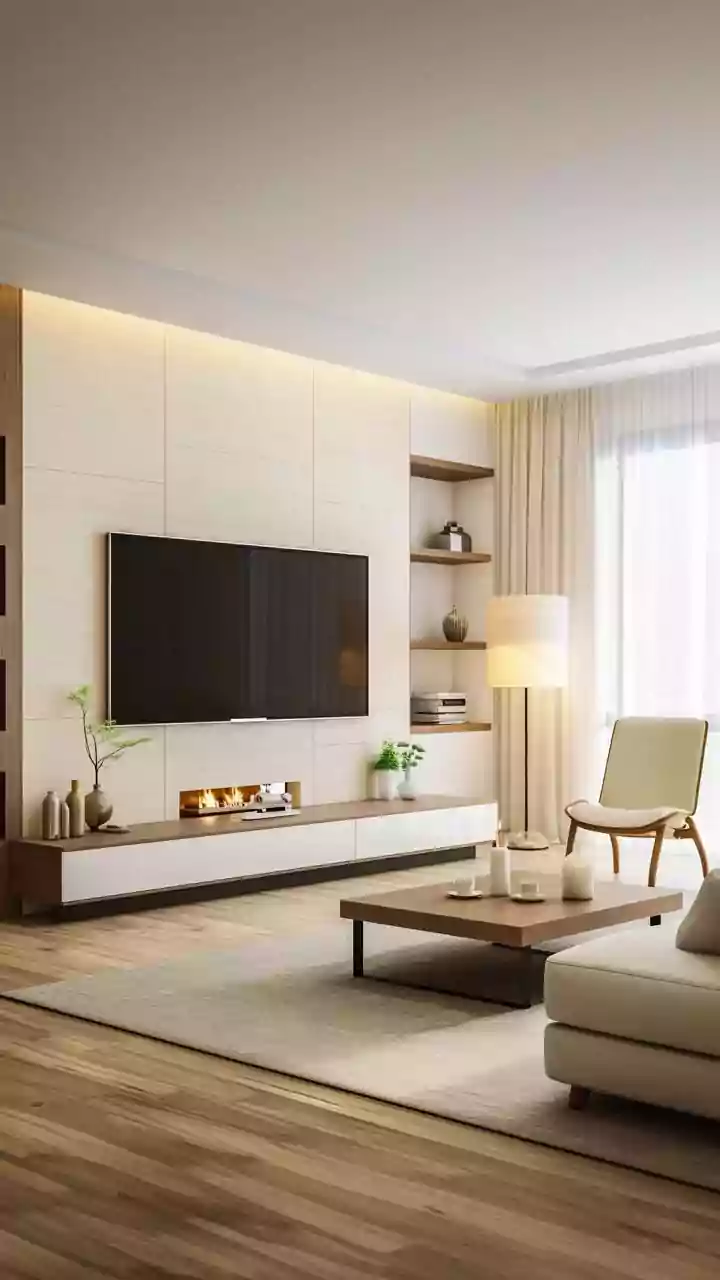
Alongside soft silhouettes, there is a strong return to natural materials, with wood playing a central role. This isn't about the heavily polished, dark furniture of the past. Instead, the focus is on celebrating wood in its more authentic state, highlighting its grain, texture, and inherent warmth. Materials like teak, sheesham, and acacia are popular choices, valued for their durability and natural beauty. This trend, sometimes called biophilic design, is about bringing elements of nature indoors to create a calming and grounding environment. In modern Indian homes that often feature clean lines and open layouts, wooden furniture and finishes prevent the space from feeling cold or impersonal. A simple wooden bench, a cabinet with visible grain, or even exposed ceiling beams can anchor a room, adding a sense of stability and timelessness that bridges traditional roots and modern simplicity.
Setting the Mood with Warm Lighting
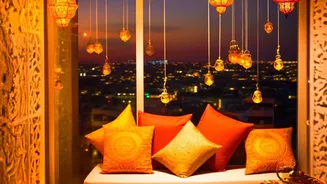
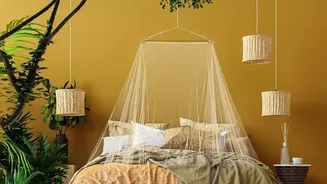
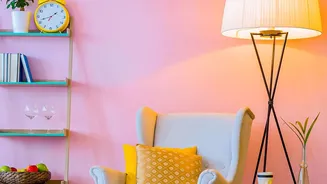
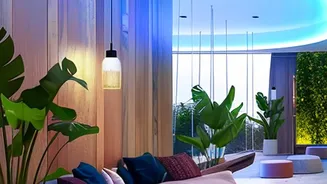
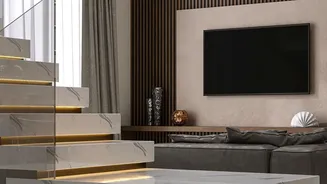
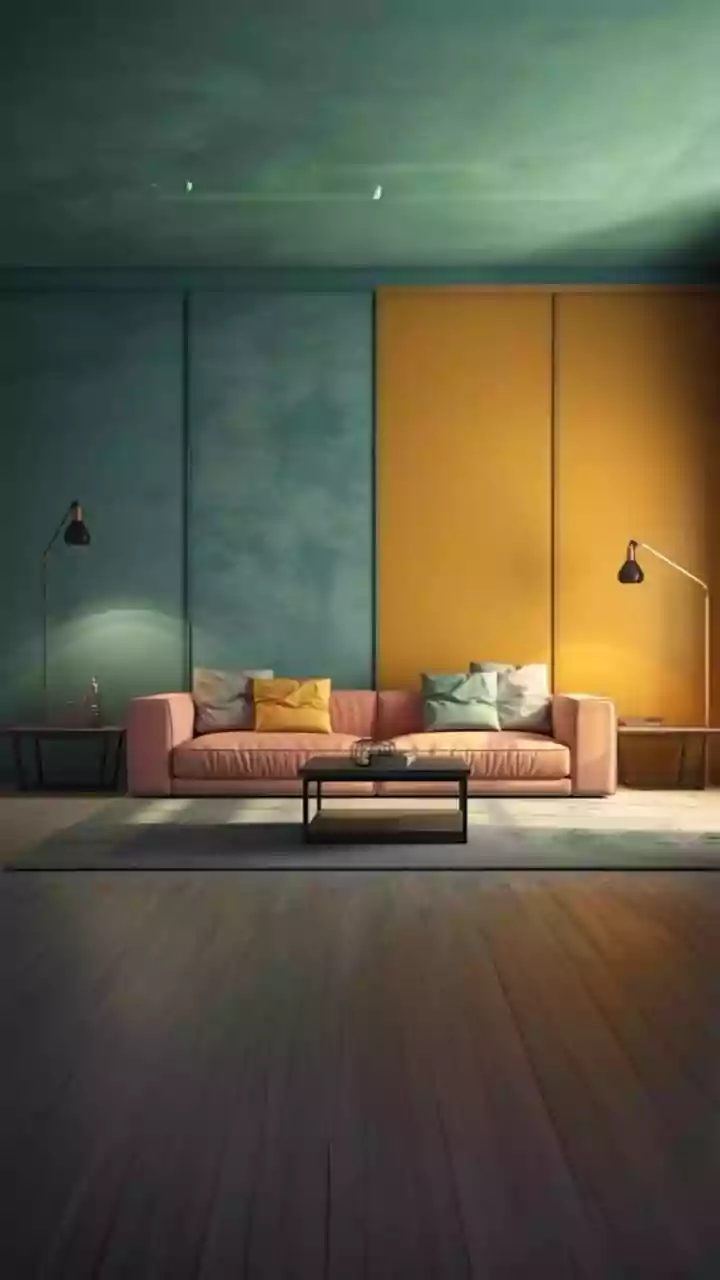
Perhaps the most impactful element is the shift in lighting. The era of a single, harsh tube light is giving way to a more sophisticated, layered approach. The goal is to create an ambiance that is warm, welcoming, and adaptable. This is achieved by combining three types of light: ambient (general overhead light), task (focused light for activities like reading), and accent (light that highlights features like artwork or textured walls). Warm white light (around 2700K-3000K) is overwhelmingly preferred for living spaces, as it makes colours look rich and creates a cozy, relaxing atmosphere. Decorative fixtures like sculptural pendants, rattan shades, and minimalist wall sconces are being used not just as sources of light, but as art objects themselves. Cove lighting hidden in false ceilings or LED strips placed behind a headboard or TV unit add a soft, indirect glow that contributes to the room's overall sense of calm.
A Cohesive Vision for Modern India
When combined, these three elements—curved forms, natural wood, and warm light—create a distinct 'New Indian Look.' It's a style that is less about adhering to a strict set of rules and more about evoking a feeling: one of comfortable sophistication and mindful living. It blends global minimalist and organic trends with an Indian context, moving away from visual noise and towards a quieter, more personal form of elegance. The result is a home that feels both contemporary and timeless, a space that is not just a collection of beautiful objects, but a serene retreat from the outside world. This new aesthetic reflects a deeper shift in how people want to live—in homes that are not just for show, but are designed for comfort, connection, and calm.