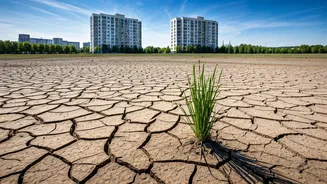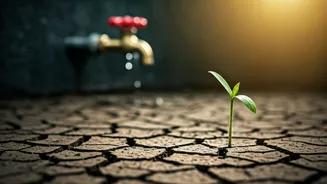









More Than Just a Dry Tap
First, let's clear up the terms. 'Water stress' isn't just about turning on a tap and getting nothing. It’s a broader issue where the demand for water outstrips the available supply, or where poor quality restricts its use. According to a landmark NITI
Aayog report, India is facing its worst water crisis in history, with nearly 600 million people experiencing high to extreme water stress. The think tank warned that by 2030, the country's water demand could be double the available supply. This isn't a future problem; it’s a present-day emergency affecting cities like Delhi, Bengaluru, and Mumbai, where erratic monsoons and heatwaves are making a bad situation worse. It’s the long queues for water tankers, the restrictions on construction, and the constant worry about reservoirs running dry.
A Crisis of Our Own Making
It’s tempting to blame it all on weak monsoons and climate change, and they are certainly major factors. However, the urban water crisis is largely man-made. Rapid, unplanned urbanisation is a primary culprit. As our cities expand, concrete jungles replace wetlands, lakes, and green spaces that would naturally recharge groundwater. Bengaluru, for instance, has lost a significant percentage of its lakes and green cover over the decades, crippling its natural ability to store water. Add to this a heavy reliance on over-exploited groundwater—a resource being drained much faster than it can be replenished. Inefficient infrastructure plays a huge role too; some cities lose up to 40% of their water supply to leaky pipes and theft. Finally, widespread pollution of rivers and lakes with untreated sewage and industrial waste renders much of our surface water unusable.
Postcards from Day Zero
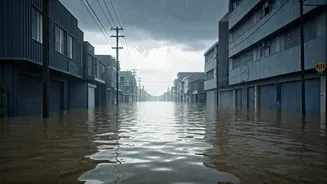
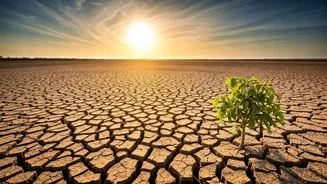
The term 'Day Zero'—when the taps run completely dry—is no longer a hypothetical concept. It became a terrifying reality for Chennai in June 2019, when all four of its main reservoirs dried up after failed monsoons. The city of over 10 million people was left without running water, forcing schools and businesses to shut down and creating a social crisis as people waited hours for meagre rations from water tankers. Bengaluru has also been teetering on the edge, with its population boom, reliance on the strained Cauvery River, and thousands of dried-up borewells creating a severe shortfall. The crisis forced authorities to ban the use of drinking water for washing cars and construction. Recent reports from June 2026 show Mumbai's reservoirs at alarmingly low levels, prompting water cuts just before the monsoon's arrival, perfectly illustrating the paradox of cities that can flood yet still suffer from acute water scarcity.
Turning the Tide
The situation is dire, but not irreversible. The solutions are as complex as the problems but point toward a more sustainable path. At a policy level, there is a growing push for integrated water management—an approach that doesn't treat drinking water, wastewater, and stormwater as separate issues. Cities are being encouraged to invest in treating and reusing wastewater for non-potable purposes like industry and landscaping. There is also a renewed focus on reviving traditional methods, like restoring urban lakes and wetlands to act as natural sponges and recharge zones. Perhaps most crucial is rainwater harvesting. Capturing the enormous amount of water that falls during the monsoon, instead of letting it run off into the sea, can significantly reduce dependence on over-stressed rivers and groundwater. Technology, from AI-powered leak detection to smart water meters, also offers ways to make our distribution systems far more efficient.