





Prepare Your Canvas: Soil and Drainage
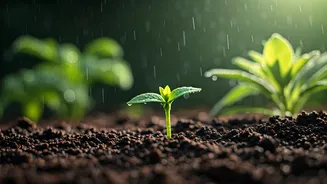
A successful monsoon garden is built on a foundation that can handle a lot of water. The biggest challenge during this season is not a lack of moisture, but an excess of it. Waterlogged soil can lead to root rot, suffocating your plants. Before you even
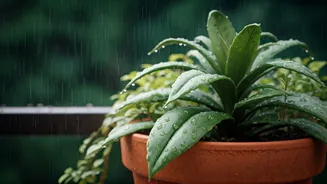
think about seeds, focus on your soil. If you're using pots, ensure they have ample drainage holes. For garden beds, improve drainage by mixing in coarse sand and organic compost. This combination creates a lighter, more aerated soil structure that allows excess water to pass through while retaining just enough moisture. Loosen the topsoil to a depth of at least 10-12 inches to prevent compaction from the heavy rains. This simple preparatory step is the single most important factor in preventing a soggy, sad garden.
Choose Your Blooms: Flowers that Love Rain
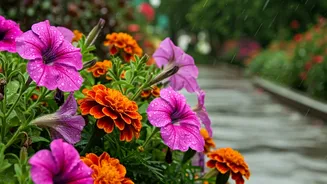
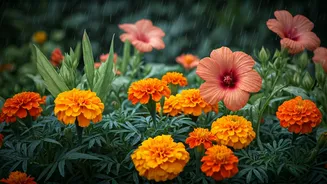
The monsoon brings a unique opportunity to grow some of the most spectacular flowering plants. These are species that don't just tolerate the rain; they thrive in it. For vibrant colours, look no further than Balsam (Impatiens balsamina), often called the 'monsoon flower'. They are incredibly easy to grow from seed and will produce flowers in shades of pink, red, and white. Marigolds are another sturdy choice, known for keeping pests at bay. Their bright orange and yellow blooms add a burst of sunshine on gloomy days. For something more exotic, consider the Rain Lily (Zephyranthes), which, as its name suggests, often bursts into bloom right after a shower. Hibiscus, Jasmines (Mogra), and Zinnias are also excellent choices that will fill your balcony or garden with fragrance and colour throughout the season.
Grow Your Own: Monsoon Vegetables
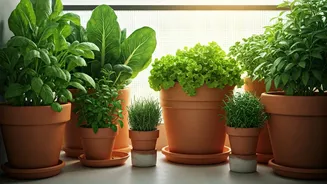
Your kitchen garden can be incredibly productive during the monsoon. Many of India's most beloved vegetables grow best during this time. This is the perfect season for gourds of all kinds—bottle gourd (lauki), ridge gourd (tori), and bitter gourd (karela) will flourish. Since these are climbing plants, ensure you install a sturdy trellis or support structure for them to grow on. This also helps with air circulation and prevents fruits from rotting on wet ground. Other excellent choices include ladies' finger (bhindi), cucumber, and various types of beans like cluster beans and French beans. Leafy greens can be tricky due to the risk of rot, but you can try hardier varieties like amaranth (chaulai) in well-drained pots or raised beds. Sowing these seeds now means you'll have a fresh, organic harvest right at your doorstep in a few weeks.
Pest Patrol: Managing Unwanted Guests
The damp, humid conditions of the monsoon are a breeding ground for pests, particularly slugs and snails. These creatures can devour young seedlings overnight. A simple, organic deterrent is to create a border of crushed eggshells around your precious plants; the sharp edges deter their soft bodies. Fungal infections are also common. To combat this, ensure there is good air circulation around your plants by spacing them properly and pruning any overcrowded foliage. A preventative spray made from a diluted solution of neem oil and water can work wonders. Apply it every 10-15 days, preferably on a day when rain isn't immediately forecast, to keep both insects and fungal issues under control without resorting to harsh chemicals.
Essential Care During the Downpour
Once your garden is planted, your job shifts to maintenance. While watering is less of a concern, other tasks become critical. Check your pots daily to ensure drainage holes aren't clogged. If you experience several days of continuous heavy rain, you may need to temporarily move smaller, more delicate pots under a cover to prevent them from drowning. Tall plants, like sunflowers or heavily laden tomato plants, will need staking to protect them from strong monsoon winds. This is also a good time for light fertilisation. The heavy rains can leach nutrients from the soil, so applying a balanced liquid fertiliser or some vermicompost every few weeks will give your plants the boost they need to keep producing flowers and fruit.