

Fushimi Inari Shrine, Kyoto
The seemingly endless path of vibrant red torii gates at Fushimi Inari is one of Kyoto's most defining images. The good news is that visiting this iconic Shinto shrine is completely free, making it a high-value stop in an often-expensive city. The main
challenge is the crowds. The lower sections of the mountain path can feel more like a congested sidewalk than a serene spiritual trail, especially between 10 a.m. and 4 p.m. For a better experience without hordes of people in your photos, the strategy is simple: go very early or late. The shrine is open 24 hours, so arriving before 8 a.m. or after 6 p.m. allows for a much more peaceful journey. As you climb higher up Mount Inari, the crowds naturally thin out, rewarding those who make the effort with tranquility and stunning views. Some local guides even offer hidden hiking routes that bypass the most congested areas entirely.
Arashiyama Bamboo Grove, Kyoto
Photos of the Arashiyama Bamboo Grove suggest a tranquil, otherworldly escape. The reality is often a narrow path packed shoulder-to-shoulder with other visitors, making it one of the clearest examples of overtourism in Kyoto. The grove itself is smaller than many imagine, and the constant foot traffic can detract from the natural beauty. While entry to the main path is free, the value of the experience depends heavily on timing. To capture that serene feeling, you must arrive at or even before sunrise; by 8 a.m., it is already quite busy. An alternative is to explore the wider Arashiyama area, which includes beautiful temples, parks, and riverside views that are often less crowded. For a quieter bamboo experience, consider the groves around Adashino Nenbutsuji Temple or those found on hidden hikes near Fushimi Inari.
Shibuya Crossing, Tokyo
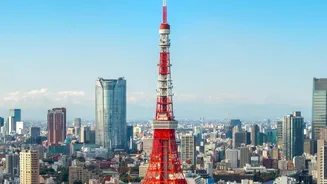
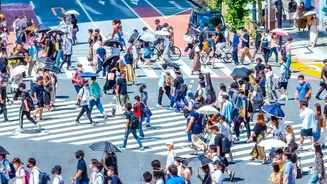
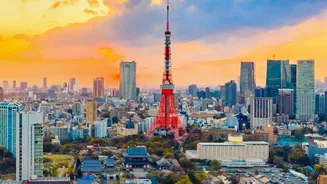
Known as the world's busiest intersection, Shibuya Crossing is less a destination and more a spectacle of organized chaos. Watching thousands of people stream across the street from all directions is a quintessential Tokyo experience, and it costs nothing. The 'value' here is in the energy and the photo opportunity. You can get a great view from the second story of the Starbucks in the Tsutaya building, but be prepared for it to be crowded. While the crossing itself is the main event, the surrounding Shibuya area is a hub of shopping, dining, and nightlife, making it a worthwhile place to spend a few hours. The crowd is the point, so there's no real way to avoid it. The best approach is to embrace it, take your photos, and then explore the less frantic side streets for unique shops and restaurants. Some residents note that while tourist hubs like Shibuya are packed, other Tokyo neighborhoods offer a much calmer, more local feel.
Dotonbori, Osaka
Dotonbori is the vibrant, neon-soaked heart of Osaka's food and nightlife scene. Its value is immense for travelers on a budget. You can feast on iconic street foods like takoyaki and okonomiyaki from countless stalls at very reasonable prices. Like Shibuya Crossing, the crowds are part of the atmosphere; the energy of the packed streets is what makes Dotonbori exciting. However, some travelers find the density of people, particularly on weekends, to be overwhelming. To get the best of both worlds, consider visiting on a weeknight. For a similar but slightly less tourist-centric vibe, some recommend the nearby Shinsekai district, which offers its own retro charm and cheap eats. Ultimately, Dotonbori is a must-see for its sensory overload and fantastic food value, even if it means navigating a sea of people.
Kiyomizu-dera Temple, Kyoto
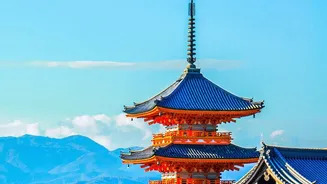
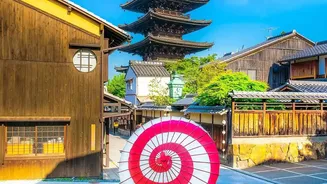
Perched on a hillside with its famous wooden stage offering panoramic views of Kyoto, Kiyomizu-dera is a breathtaking sight. However, its fame makes it another hotspot for overtourism. The narrow, historic streets leading up to the temple, like Sannenzaka and Ninenzaka, are often packed solid with visitors, which can diminish the charm. The entrance fee is modest, but the true cost can be the time spent in queues and navigating the crowds. To maximize value, avoid peak hours and major holidays. An early morning visit is your best bet for a more contemplative experience. While Kiyomizu-dera is arguably worth seeing once, Kyoto has over 1,600 temples. For a less crowded but still impressive temple experience, consider alternatives like Daigo-ji in the southeast or the temples in the quieter Ōhara area to the north.