




The $9 Billion Liftoff
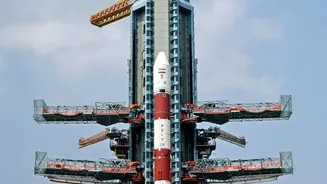
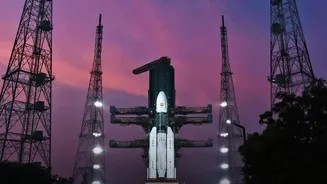
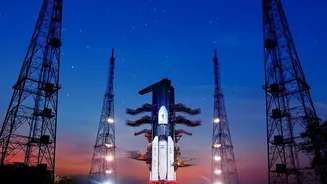
India's space economy has reached a significant milestone, currently valued at approximately $8 billion to $9 billion. But this is just the launchpad. Projections suggest the sector could soar to between $40 billion and $45 billion within the next decade,
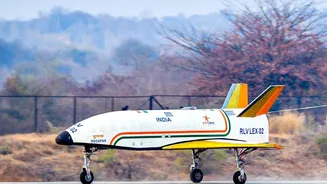
a five-fold increase. This explosive growth is powered by a strategic shift, opening the doors for private companies to participate in a sector once dominated by the Indian Space Research Organisation (ISRO). Policies like the Indian Space Policy 2023 and the establishment of IN-SPACe as a single-window agency for private players have been critical, fostering a vibrant startup culture.
A New Galaxy of Private Players
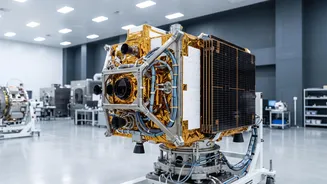
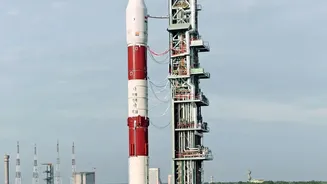
For decades, a career in space meant a job at ISRO. Today, the landscape is radically different. India is now home to over 400 private space companies and startups, a huge leap from just a handful in 2020. Companies like Skyroot Aerospace, which successfully launched a private rocket, Agnikul Cosmos, known for its 3D-printed engines, and Pixxel, building a constellation of earth-imaging satellites, are becoming major employers. This shift means the job market is no longer concentrated in a single government agency but is distributed across dynamic, fast-moving startups and established private firms in cities like Bengaluru, Hyderabad, and Chennai.
The In-Demand Engineering Skills
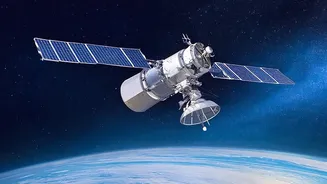
This new era of space exploration requires a diverse range of engineering talent, extending far beyond traditional aerospace. While aeronautical and mechanical engineers are still crucial for designing launch vehicles and spacecraft, the fastest-growing demand is for software and electronics specialists. Modern space missions are software-defined. Aerospace software engineers with skills in C++, Python, and embedded systems are highly sought after to develop flight controls, navigation systems, and mission planning algorithms. Similarly, electronics and communication engineers are essential for building satellite payloads, communication systems, and sensors. The demand also extends to robotics engineers for designing rovers and autonomous systems, and data scientists to analyze the vast amounts of information sent back from space.
More Than Just Rocket Science
The job boom isn't limited to building rockets and satellites, known as the 'upstream' sector. The 'downstream' sector, which focuses on using space-based assets, is also creating numerous roles. This includes remote sensing and GIS experts who use satellite imagery for agriculture, urban planning, and disaster management. As private participation grows, there's even an emerging need for professionals in space law and policy to navigate the complex legal and regulatory frameworks. This expansion means engineers from various disciplines—computer science, electrical, mechanical, and even civil—can find a role in India's growing space ecosystem.
How to Prepare for Launch
For students and young professionals aiming for a career in this sector, a strong foundation in engineering fundamentals is non-negotiable. However, today's private space companies are looking for more. They value practical experience, interdisciplinary skills, and the ability to work in agile teams. Aspiring engineers should focus on gaining hands-on experience through internships, university projects, and robotics clubs. Developing strong programming and data analysis skills is also critical, regardless of the core engineering branch. Following the work of companies like Dhruva Space, Bellatrix Aerospace, and SatSure can provide insight into the specific skills and projects that are currently shaping the industry.