


The End of the All-or-Nothing Cycle
The old approach to festive eating was a pendulum swing between feast and famine. You’d either restrict yourself heavily at parties or overindulge, promising to “fix” it with a punishing diet in the new year. Experts now agree this all-or-nothing mentality
is counterproductive. It often leads to feelings of deprivation which can trigger cravings and a negative relationship with food. The modern, smarter approach is to abandon the labels of “good” and “bad” foods. Instead, the focus is on finding an overall balance throughout the season, recognising that what you do consistently matters far more than a few days of celebration. This shift allows you to participate in traditions without the stress and guilt that often accompany them.
Mindfulness Over Restriction
Instead of forbidding foods, the new focus is on mindful eating. This practice isn't about what you eat, but how you eat it. It means being present and engaging all your senses, from the aroma to the texture of your food. By eating slowly and without distraction, you give your brain time to register fullness, which helps prevent overeating. A key part of this is honouring your body’s hunger and fullness cues. Arriving at a party ravenous after skipping meals all day is a recipe for overindulgence. Nutritionists advise eating a small, protein-rich snack before you go to an event to keep hunger in check and make more conscious choices.
Strategic Indulgence
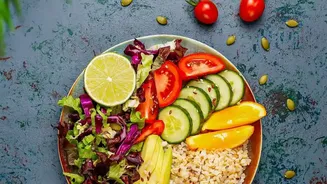
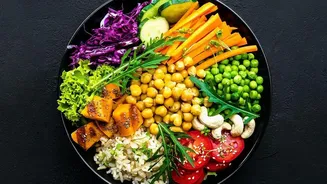
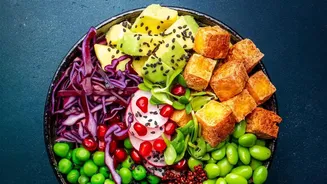
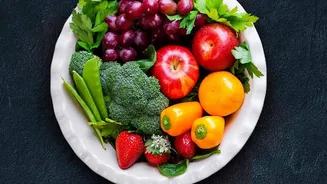
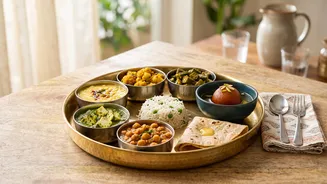
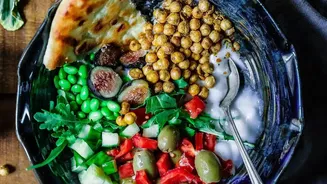
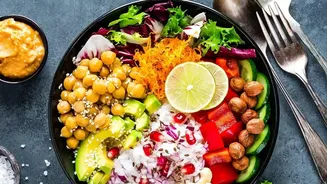
Consistency doesn’t mean perfection; it means having a plan. This can be as simple as planning for “lighter buffer days” with simple, home-cooked meals around major feast days to balance your caloric intake. When you're at an event, be strategic with your plate. One popular method is the plate rule: fill half your plate with vegetables or salad, a quarter with lean protein, and the remaining quarter with grains or starches. Another effective strategy is to choose your indulgences wisely. Instead of sampling every sweet, pick the one or two you truly love and savour them. This mindful selection allows you to enjoy special festive treats without the guilt of uncontrolled eating.
The Power of the 80/20 Rule
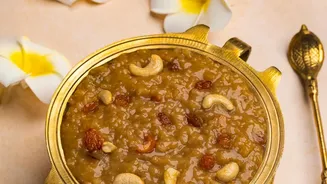
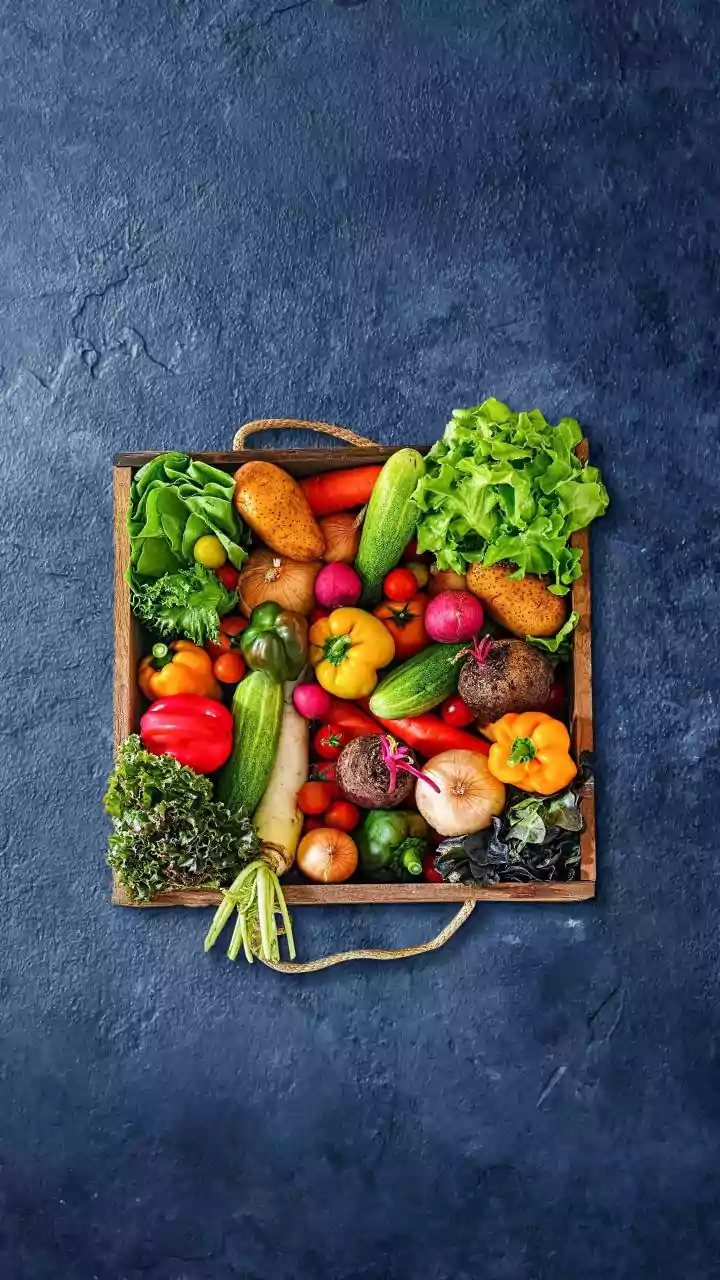
A popular framework for this balanced approach is the 80/20 rule. The concept is simple: focus on eating nutritious, whole foods 80% of the time, and allow yourself to enjoy your favourite treats the other 20% of the time. This method is sustainable because it’s not a restrictive diet; it’s a flexible lifestyle choice that builds in room for life’s pleasures, like festive meals and holiday desserts. It removes the pressure of perfection and acknowledges that indulgences are a normal part of life. During the festive season, this means you can enjoy a special meal or sweet treat without feeling like you've fallen off the wagon, making it easier to return to your healthy habits at the next meal.
Hydration and Movement Matter Too
A consistent festive season plan isn't just about food. Staying well-hydrated is crucial. Sometimes the body mistakes thirst for hunger, so sipping water throughout the day can prevent unnecessary snacking. Alternating alcoholic beverages with a glass of water can also help you stay hydrated and moderate your intake. Gentle movement is another key component. You don’t need to plan punishing post-feast workouts. Instead, a simple 10- to 15-minute walk after a large meal can aid digestion and help stabilise blood sugar levels, preventing the energy crashes that can lead to more cravings. These small, consistent actions support your overall well-being and help you feel more energised throughout the season.