




The Problem with the Mocktail
For years, the non-drinker at the bar was handed a menu of drinks that felt like an afterthought. Mocktails were often little more than fruit juice, sugary syrups, and a sad-looking wedge of pineapple. They mimicked the look of a cocktail but lacked any
of its complexity, offering a sugar rush instead of a sophisticated flavour experience. For a generation hyper-aware of wellness and nutrition, ordering a drink with more sugar than a can of cola quickly lost its appeal. The choice felt juvenile, a placeholder rather than a legitimate option. Gen Z, globally and in India, began asking for something more: a non-alcoholic drink that felt adult, mindful, and interesting.
Enter the Botanical Brew
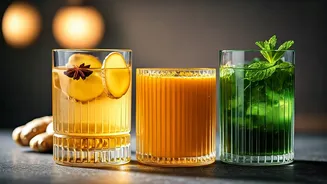
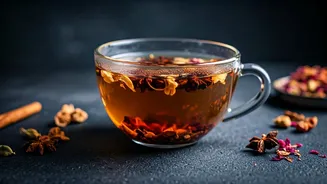
Spiced botanical teas are the answer to that demand. We’re not talking about a simple teabag in hot water. These are complex infusions, often served hot or cold, that prioritise flavour, aroma, and function. Think ingredients like earthy turmeric, warming ginger, calming ashwagandha, fragrant rose petals, and spicy cardamom. These beverages are part of the booming 'functional drinks' category, where ingredients are chosen not just for taste but for their perceived wellness benefits—be it to de-stress, boost immunity, or aid digestion. They offer the complexity and ritual of a craft cocktail or a fine wine, inviting drinkers to savour layers of flavour without the alcohol or the sugar crash.
Driven by Wellness and 'Sober Curiosity'
This shift is deeply connected to the 'sober curious' movement, a trend particularly strong among Gen Z. It’s not about total abstinence, but about being more intentional with alcohol consumption. This generation is more likely to prioritise mental and physical health, and that extends to their social lives. They want to socialise without the pressure to drink alcohol and without the hangover that follows. A sophisticated botanical tea allows them to participate in the social ritual of having a special drink in hand, but on their own terms. It’s a mindful choice that aligns with a broader lifestyle focused on wellness, clarity, and authenticity.
A Modern Twist on an Indian Tradition
For Indian audiences, this global trend has a familiar ring to it. The use of spices and herbs for wellness is deeply woven into our culture. From the everyday masala chai to the healing power of a homemade kadha, we have been brewing botanical drinks for centuries. What Gen Z is doing is taking this ancestral knowledge and giving it a modern, globalised spin. They are rediscovering ingredients like tulsi and ashwagandha, not just as remedies from a grandparent, but as cool, aspirational lifestyle choices. Cafes in Mumbai and Bengaluru are now crafting elaborate tea menus that rival their coffee or cocktail lists, presenting these traditional ingredients in a new, aesthetically pleasing context that appeals to a younger, digitally native audience.
How Bars and Cafes Are Responding
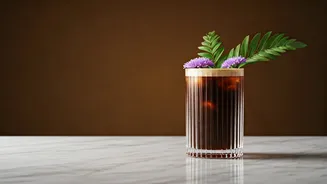
The food and beverage industry has taken note. Forward-thinking bars and restaurants are overhauling their non-alcoholic menus. The 'zero-proof' section is no longer a footnote but a feature. Bartenders, or 'tea sommeliers' in some cases, are applying the same craft and care to these drinks as they do to their alcoholic counterparts. We're seeing house-made infusions, cold brewing techniques, and beautiful garnishes that make the drink an experience in itself. Brands are also launching ready-to-drink botanical infusions and DIY kits, allowing people to bring this sophisticated, mindful drinking experience into their own homes.