




The Building Blocks of Recovery
Every time you exercise, you create tiny micro-tears in your muscle fibres. This is a normal part of getting stronger. Your body's repair process is what builds muscle, but it needs specific raw materials to do the job: amino acids. Amino acids are the building
blocks of protein. There are 20 different types, but nine are considered 'essential' because your body cannot produce them on its own. You must get them from food. These essential amino acids, particularly a group known as branched-chain amino acids (BCAAs), play a direct role in kickstarting muscle protein synthesis—the scientific term for the body's muscle-building process. Without a sufficient supply of these essential amino acids, recovery can be slower and less effective.
Unlocking Plant-Powered Protein
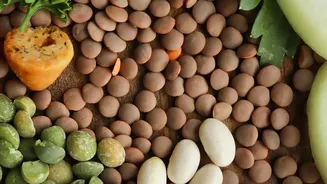
A common concern with vegetarian diets is whether plant-based foods provide 'complete' proteins, meaning they contain all nine essential amino acids in adequate amounts. While animal products are naturally complete proteins, most plant foods are considered 'incomplete' because they are low in one or more essential amino acids. This is where the concept of a 'limiting amino acid' comes in. It refers to the essential amino acid present in the lowest quantity in a food. For instance, many grains are low in the essential amino acid lysine. Legumes, on the other hand, tend to be low in another essential amino acid, methionine. However, this doesn't make them inferior sources of protein. It simply means a little food knowledge goes a long way.
The Synergy of Grains and Legumes
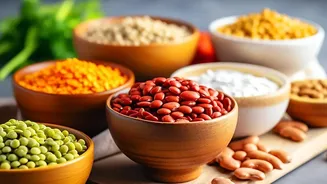
This is where the magic of food pairing, or 'protein complementation', comes into play. By combining foods with different limiting amino acids, you can easily create a meal with a complete amino acid profile. The low lysine content in whole grains is perfectly balanced by the high lysine content in legumes. Conversely, the low methionine in legumes is offset by the higher amounts found in grains. Together, they provide all the essential building blocks your muscles need to repair and grow stronger after exercise. The good news is that you don't necessarily need to eat them in the very same bite. As long as you consume a variety of complementary proteins throughout the day, your body can pool the amino acids to get what it needs.
Classic Indian Combos for Peak Recovery
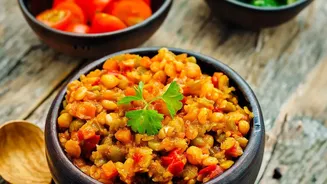
Many traditional Indian meals have been perfecting this nutritional strategy for centuries. These classic combinations are not just delicious and comforting; they are scientifically sound recovery meals. Think about rajma-chawal (kidney beans with rice) or dal-roti (lentils with whole wheat flatbread). Both pair a legume with a grain. Another excellent example is khichdi, a wholesome dish made from rice and lentils, which is famously easy to digest and incredibly nourishing. Even breakfast foods like idli or dosa, made from a fermented batter of rice and lentils, and served with sambar (a lentil-based stew), create a complete protein powerhouse to start your day or refuel after a morning workout. These meals are proof that a well-planned vegetarian diet is more than capable of supporting serious fitness goals.
Putting It All Together
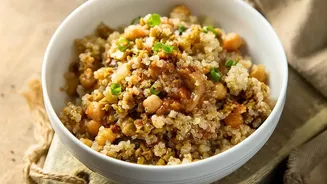
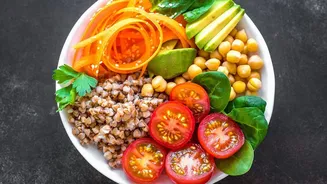
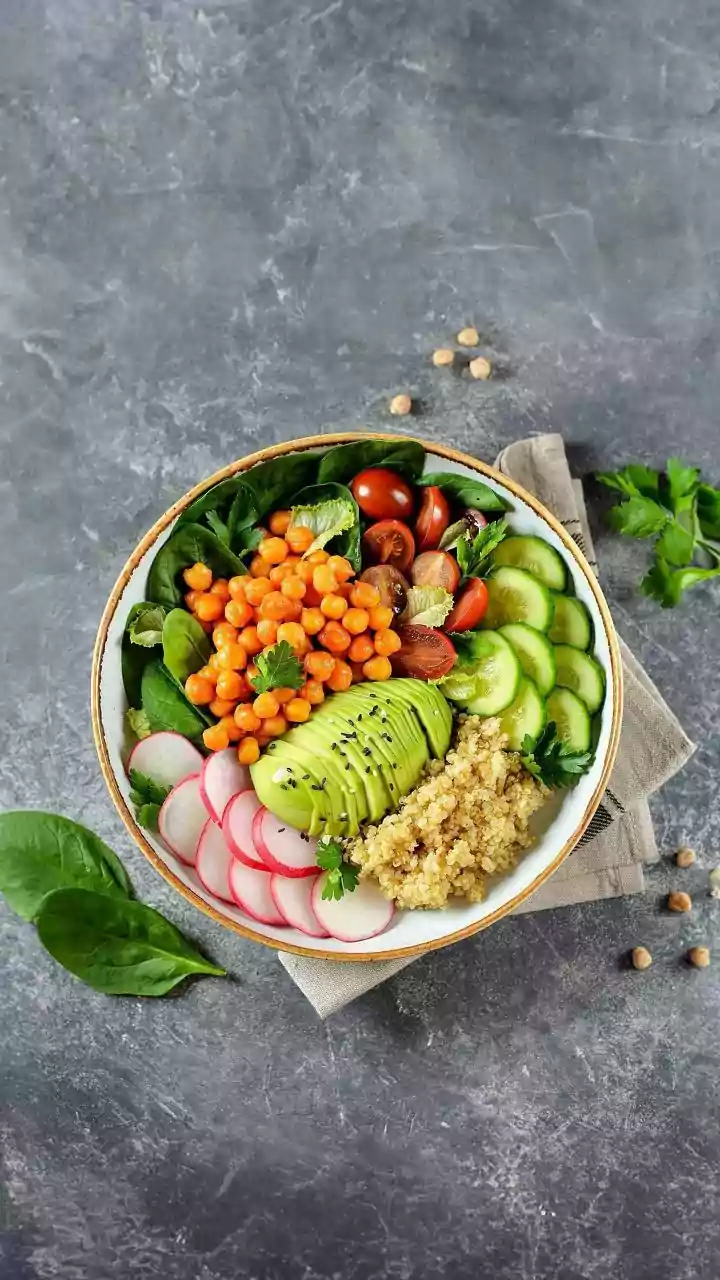
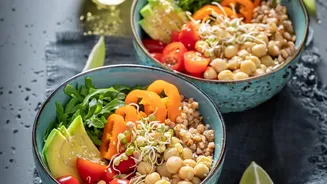
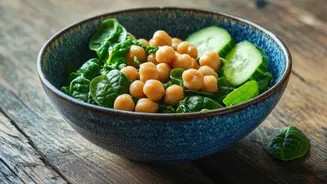
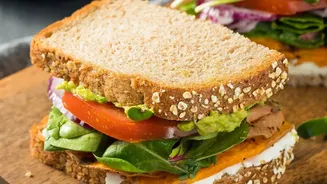
To make the most of this strategy, aim to consume a meal rich in complementary proteins within a couple of hours after your workout. This is often called the 'anabolic window', a period when your muscles are especially receptive to nutrients for repair. While some plant foods like quinoa, tofu, and amaranth are complete proteins on their own, the principle of combining grains and legumes offers endless variety. A simple peanut butter sandwich on whole wheat bread, a bowl of chickpea curry with a side of brown rice, or even hummus with whole-grain pita bread are all effective and easy ways to ensure your body gets the full spectrum of amino acids needed for optimal recovery.