




Tyres: Your First Line of Defence
Your tyres are the only part of your vehicle that touches the road, making them the single most critical component for monsoon safety. Wet roads drastically reduce grip, and worn tyres can lead to hydroplaning, where your car skims over a layer of water,
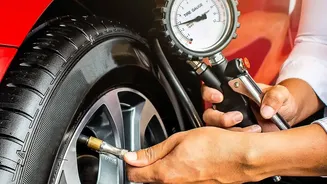
causing a complete loss of control. Before any long trip, inspect your tyres for adequate tread depth; experts suggest having at least 3mm for monsoon driving. Also, check for any cuts, bulges, or uneven wear. Ensure your tyre pressure is at the manufacturer-recommended level, which can usually be found on a sticker inside the driver's door jamb. Don't forget to check the spare tyre as well—it’s no use if it's flat when you need it most.
Brakes: The Ultimate Safety Net
The stopping distance of a vehicle can nearly double on wet surfaces, making fully functional brakes non-negotiable. If you've noticed any squealing sounds, vibrations, or a spongy feeling in the brake pedal, get your brakes inspected immediately. Worn-out brake pads and shoes must be replaced without delay. A professional should also check the brake fluid, as old or contaminated fluid can absorb moisture, reducing braking effectiveness, especially in stop-and-go traffic. After driving through a waterlogged area, gently tap your brakes a few times to help dry them out and restore normal performance.
Visibility: Wipers, Lights, and Windshield
If you can't see, you can't drive safely. Visibility is severely hampered during a downpour. Start with your wiper blades, which often harden and crack during the hot summer. If they leave streaks or make a chattering noise, replace them. Top up your windshield washer fluid reservoir with a proper cleaning solution, not just tap water, to help clear oily grime sprayed from the road. Next, do a full walk-around of your car and test all lights: headlights (both high and low beam), taillights, brake lights, and indicators. In low-visibility conditions, your lights are crucial for both seeing and being seen by others.
Battery and Electrics: Powering Through the Rain
The monsoon season puts extra strain on your car’s battery, as you're constantly using the wipers, headlights, and air conditioning. An old or weak battery is more likely to fail in damp conditions. Check the battery terminals for any corrosion (a white, powdery substance) and clean them if necessary. Ensure the connections are tight. Modern cars have complex electrical systems that are vulnerable to water damage, so if you notice any flickering lights or electrical issues, have them checked before you travel.
AC System: Your Anti-Fog Solution
Your air conditioner is more than just a tool for comfort during the monsoon; it's a critical safety feature. The AC is the quickest way to demist a foggy windshield, which occurs due to the temperature and humidity difference between the inside and outside of the car. Before your trip, test your AC to ensure it's blowing cold air and that the defogger mode is working effectively. A clogged cabin air filter can restrict airflow, so have that checked and replaced if needed.
An Emergency Kit for the Road
Even with perfect preparation, things can go wrong. A well-stocked emergency kit can be a lifesaver. Your monsoon kit should include a tow rope, jumper cables, a powerful flashlight with extra batteries, and a first-aid kit. Also pack a couple of microfibre cloths for wiping down foggy interiors, an umbrella, and a reflective warning triangle. Having contact numbers for roadside assistance and your insurance provider saved on your phone is also a wise move.