


A New Era for Live Music
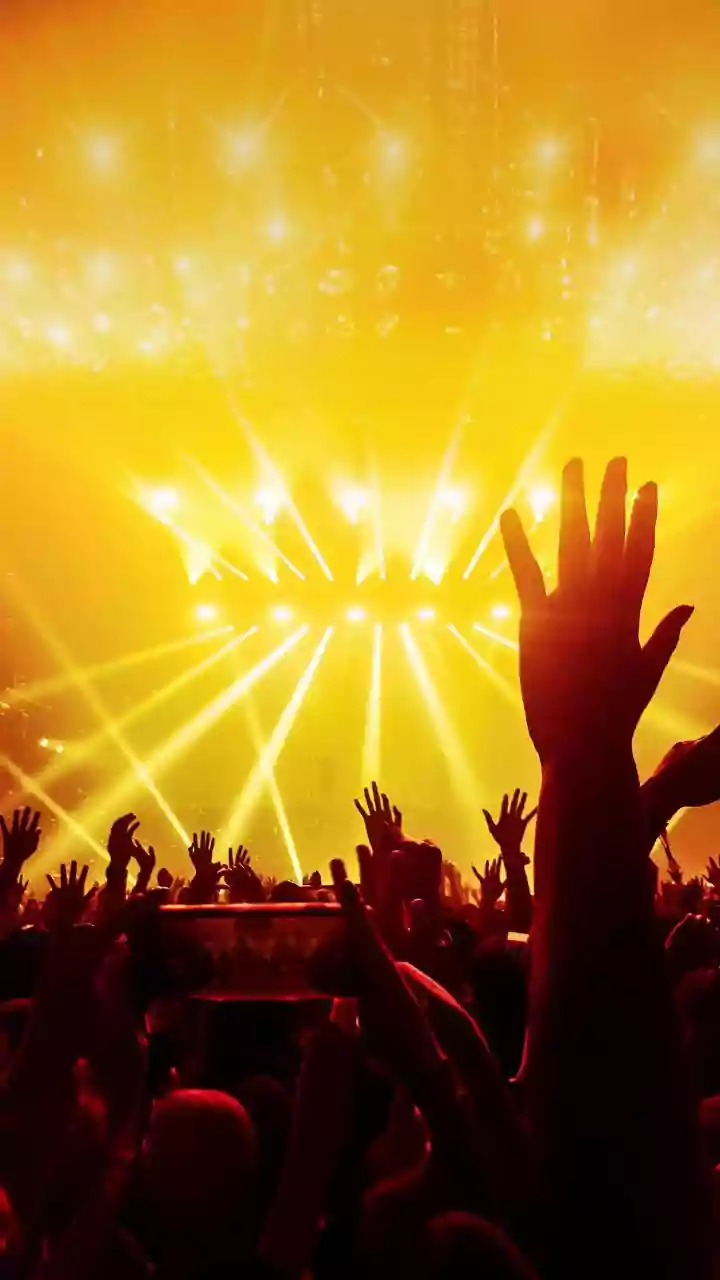
The post-pandemic world has unleashed a torrent of demand for live, in-person experiences, and nowhere is this more visible than in India's concert scene. After years of virtual events, fans are flocking to stadiums and festival grounds, creating a vibrant
market that international artists can no longer ignore. The 2026 calendar is a testament to this shift, boasting a star-studded lineup that includes names like Linkin Park, John Mayer, Guns N' Roses, Khalid, and The Chainsmokers. This influx of global talent marks a structural change; India is no longer just a potential stop but a primary destination on global tour routes, with promoters now booking multi-city runs across Mumbai, Delhi NCR, and Bengaluru.
The Festival Phenomenon
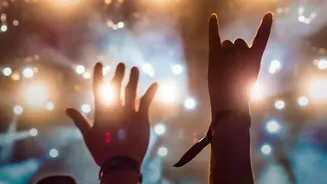
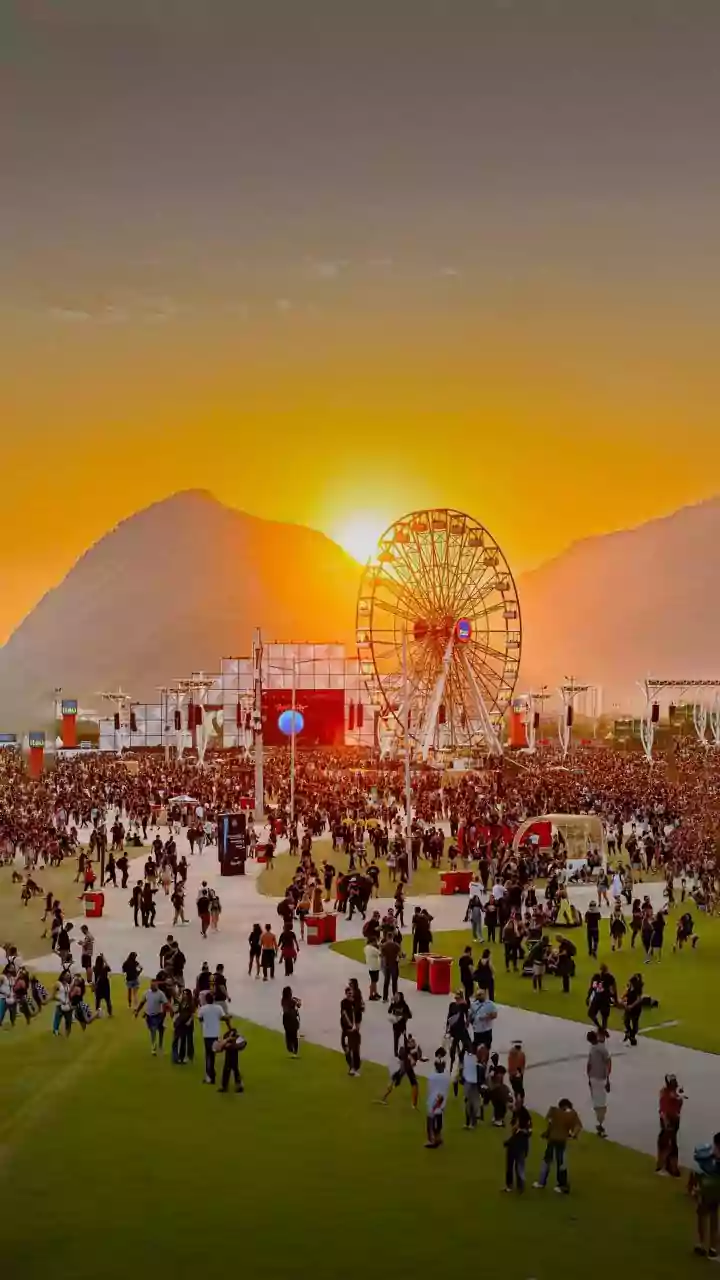
Driving this boom are large-scale music festivals that have become cultural cornerstones. Events like Lollapalooza India and NH7 Weekender have been instrumental in redefining the landscape. Lollapalooza, which became profitable in just its third edition, has successfully brought global acts like Playboi Carti and Yungblud to a hungry audience, demonstrating the country's readiness for massive, multi-genre events. Similarly, NH7 Weekender, hailed as "India's happiest music festival," continues to be a powerful platform for a diverse range of Indian artists, from indie favourites like Prateek Kuhad to hip-hop powerhouses like Raftaar and KR$NA. These festivals are more than just a collection of performances; they are immersive cultural experiences that foster community and music discovery.
An Engine for Economic Growth
The concert boom is not just a cultural phenomenon; it's a powerful economic engine. The live events sector in India has seen explosive growth, with some reports valuing it at over ₹12,000 crore in 2024 and projecting a strong growth rate in the coming years. Major concerts have a massive ripple effect, boosting local economies through tourism, hospitality, and retail. For every rupee spent on a ticket, fans often spend significantly more on travel, accommodation, and local attractions. This has led to a surge in "event tourism," with fans travelling across states to catch their favourite acts. This economic impact is encouraging cities beyond the traditional metros to develop infrastructure to host large-scale events, spreading the benefits nationwide.
For the Love of the Fans
At the heart of this movement are the fans, whose enthusiasm and spending power are fuelling the industry's growth. A rising generation with disposable income is increasingly prioritising experiences over material goods. The result is a more engaged and discerning audience, willing to pay for premium experiences like VIP zones and exclusive merchandise, which has seen triple-digit growth. However, this boom is not without its challenges. High ticket prices, with general admission often starting at ₹2,500 and VIP passes reaching ₹18,000 or more, can be a barrier for many. Furthermore, issues with infrastructure, overcrowding, and crowd management at some events highlight the growing pains of an industry scaling up at a rapid pace.