





Cardio: Steady Pace vs. Dynamic Intervals
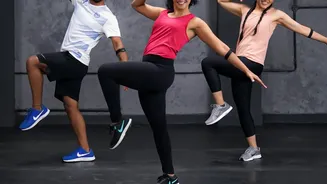
Running is the quintessential cardio workout, known for its ability to sustain an elevated heart rate. A steady-paced run improves cardiovascular endurance in a linear, predictable way. In contrast, most dance styles are a form of interval training. A hip-hop,
salsa, or Zumba class will alternate between high-intensity bursts of complex choreography and slower moments of instruction or less vigorous steps. This mimics high-intensity interval training (HIIT), which is excellent for heart health. While running at a consistent pace might burn more calories minute-for-minute than a slow waltz, a vigorous dance class like street or swing can burn more calories than a moderate run or swim. The key difference lies in the delivery: running offers sustained effort, while dancing provides variable, dynamic peaks.
Muscle Engagement: Repetition vs. Variety
Running is a forward-motion, repetitive activity that primarily strengthens the glutes, quads, hamstrings, and calves. While fantastic for building lower-body endurance, it uses the same muscles in the same plane of motion with every step. Dancing, on the other hand, is a full-body workout that demands movement in every direction—side-to-side, rotational, and even inverted. A ballet class builds incredible core strength and stability, a salsa class targets the hips and obliques, and a contemporary routine engages the back and arms. This variety not only builds more comprehensive muscle tone but also improves coordination, balance, and body awareness in ways that the repetitive nature of running does not.
Flexibility and Mobility: A Clear Distinction
Here, dancing has a distinct advantage. Flexibility is a core component of almost every dance genre, from the sweeping extensions in ballet to the fluid hip movements in Latin dance. Dance training inherently improves range of motion and joint mobility as you learn to execute different movements. Runners, by contrast, often develop tightness, particularly in the hamstrings and hip flexors, due to the repetitive muscle contractions. While stretching is a crucial part of a runner's routine, it's an added component, not an integrated part of the activity itself. For dancers, flexibility and strength are developed simultaneously.
Impact and Injury Risk
Both activities carry a risk of injury, but the types of injuries differ. Running is a high-impact activity, with the force of each foot strike traveling up through the joints of the legs and spine. This can lead to overuse injuries like shin splints, runner's knee, and stress fractures, especially if form is poor or mileage increases too quickly. However, some research suggests that running can strengthen bones and joint cartilage over time. Dance injuries are also frequently from overuse due to repetitive practice, but they are often related to the specific demands of a style, such as ankle and foot problems in ballet or hip issues from achieving extreme ranges of motion. Many social and aerobic dance forms are considered lower-impact than running, making them a gentler option for joints.
Brain and Mood: The Cognitive Connection
Both running and dancing are proven mood boosters, releasing endorphins that create feelings of well-being—the well-known 'runner's high' has a counterpart in dance. However, dancing offers additional cognitive benefits. The process of learning choreography, synchronizing movements to music, and interacting with a partner or group activates multiple regions of the brain at once. Studies have shown that this combination of physical activity, social interaction, and mental coordination can improve cognitive function and may even reduce the risk of dementia more effectively than other forms of exercise. The social aspect of a dance class can also combat feelings of loneliness and create a sense of community, which is a powerful motivator.