


What is a Humidity Tray?
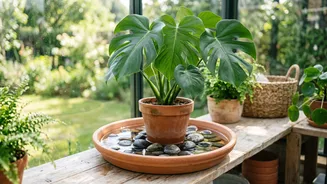
A humidity tray, also known as a pebble tray, is a simple, low-tech device used to increase the ambient moisture around your plants. It consists of a shallow, waterproof tray filled with a layer of pebbles, stones, or gravel. Water is added to the tray, and
the plant pot is placed on top of the pebbles. As the water in the tray evaporates, it creates a small, localized pocket of higher humidity right around your plant’s foliage, mimicking the moist air of its native tropical environment.
Why Your Plants Need More Moisture
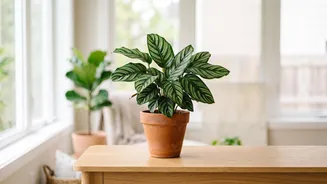
Many popular houseplants, like ferns, calatheas, and orchids, originally come from rainforests where humidity is naturally high. Our homes, especially with central heating or air conditioning, have much drier air. This dry air can cause plants to lose water from their leaves faster than their roots can absorb it, leading to common signs of distress like brown or yellowing leaf edges, crispy tips, drooping, and stunted growth. A humidity tray helps counteract this by providing a consistent, gentle source of moisture.
The DIY Method: Step-by-Step Guide
Creating your own humidity tray is incredibly easy and can be done with items you may already have. 1. Find a Tray: Select a shallow, waterproof tray or saucer that is wider than the base of your plant pot. An old baking dish, a plant saucer, or a decorative plate will work perfectly. The wider the tray, the more surface area for evaporation, increasing its effectiveness. 2. Add a Layer of Pebbles: Fill the tray with a layer of small pebbles, gravel, or even decorative stones. This layer should be deep enough to hold your plant pot above the waterline. 3. Add Water: Pour water into the tray until the level is just below the top of the pebbles. The most critical part is ensuring the bottom of the plant pot will not be sitting in the water. 4. Place Your Plant: Set your potted plant directly on top of the pebbles. The stones provide a stable base that elevates the pot above the standing water, which is crucial for success.
The Most Important Rule: Avoid Root Rot
The number one rule for using a humidity tray is that the plant pot must sit on the pebbles, not in the water. If the pot's drainage holes are in contact with the water, the soil will act like a wick, drawing up constant moisture. This leads to waterlogged soil, which suffocates the roots and causes root rot—a condition that is often fatal to houseplants. Always ensure the water level in your tray stays below the top of the pebble layer and, therefore, below the bottom of your pot.
Which Plants Benefit the Most?
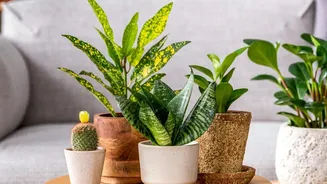
While most houseplants can benefit from a little extra humidity, some need it more than others. Tropical plants with thin leaves are prime candidates. This includes ferns (like Boston and maidenhair ferns), Calatheas (prayer plants), Alocasias, orchids, and many philodendrons. These plants will show the most dramatic improvement, with lusher, healthier foliage. Plants like succulents, cacti, and ZZ plants prefer drier conditions and do not need a humidity tray.
Maintenance and Common Mistakes
Humidity trays are low-maintenance, but not zero-maintenance. Check the water level every few days and refill as needed to keep the evaporation going. Every couple of weeks, it's a good idea to give the tray and pebbles a thorough cleaning with soap and water to prevent algae growth and pests like fungus gnats. Common mistakes include overfilling the tray with water, letting the tray run dry, or using a tray that is too small for the pot, which reduces its effectiveness.