






The Terrifying Realism of AI Voice Cloning
It sounds like science fiction, but it's an increasingly common reality. Scammers can now use artificial intelligence to create a highly realistic clone of a person's voice using just a few seconds of audio. This audio can be scraped from anywhere: a video
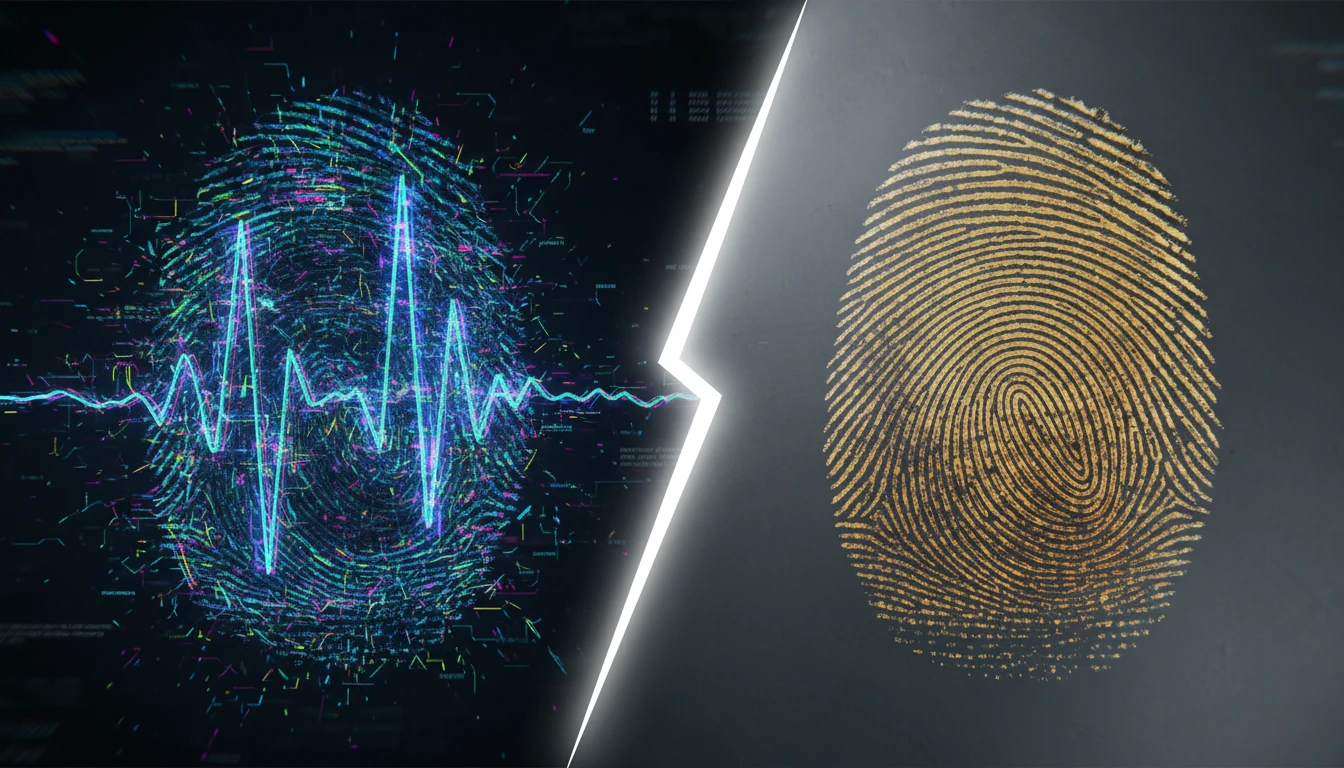
posted on social media, a public speech, or even a voicemail greeting. The AI analyses the unique pitch, tone, and cadence of the voice to generate new speech that is nearly indistinguishable from the real thing. For families, the implications are chilling. A scammer can call you, and you will hear what sounds exactly like your child, parent, or spouse in a state of distress, fabricating an emergency like a kidnapping, an accident, or an arrest.
How the Scam Manipulates and Pressures You
The core of an AI voice scam is emotional manipulation and manufactured urgency. The call is designed to trigger your deepest instincts to protect your family, short-circuiting rational thought. The scammer, using the cloned voice, will often create a scenario where there is no time to think. They might say they need money wired immediately for bail, hospital bills, or a ransom. The panic of hearing a loved one's voice pleading for help is exactly what the criminals count on. They will insist on immediate payment through untraceable methods like wire transfers or gift cards, knowing that once the money is sent, it is almost impossible to recover.
Your Best Defence: The Family Safeword
In a world where you can no longer trust your ears, you need a method of verification that a machine cannot fake. The single most effective tool against these scams is a pre-agreed family 'safeword' or 'verification phrase'. This is a secret word or short phrase that only your immediate family members know. It's a low-tech solution to a high-tech problem. An AI can clone a voice, but it cannot know a secret that was never spoken online or recorded anywhere. When you receive a frantic, unexpected call asking for money, you simply ask the caller for the safeword. If they can't provide it, you know it's a scam.
Choosing and Using Your Verbal Password
A strong safeword is one that is unique and memorable to your family but impossible for an outsider to guess. Do not use pet names, birthdays, maiden names, or anything that might be found on your social media profiles. Good options include inside jokes or a random combination of two unrelated words like "purple pancake." The process is simple: 1. Agree on the safeword in person, never over text or email. 2. Instruct every family member that if they receive a distress call, they must ask for the safeword. 3. Make it a strict rule: no safeword, no action. Hang up the phone immediately. 4. After hanging up, try to contact the family member directly on their known phone number or through another trusted channel to verify their safety.
Additional Layers of Protection for Your Family
A safeword is your primary defence, but other habits can also reduce your risk. First, be mindful of what you share online. Consider making social media profiles private and be cautious about posting videos with clear audio of family members, especially children. Second, teach your family, particularly elderly parents and young adults, about these scams. Reinforce the rule to never transfer money based on a frantic phone call alone. Finally, trust your instincts. If a caller is pressuring you to act immediately and the request feels strange, it is always okay to hang up and verify. A real emergency can wait the two minutes it takes to call your loved one back on their own number.