


The Rise of the ‘Lazy’ Plant Parent
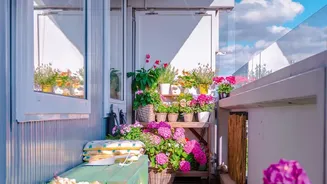
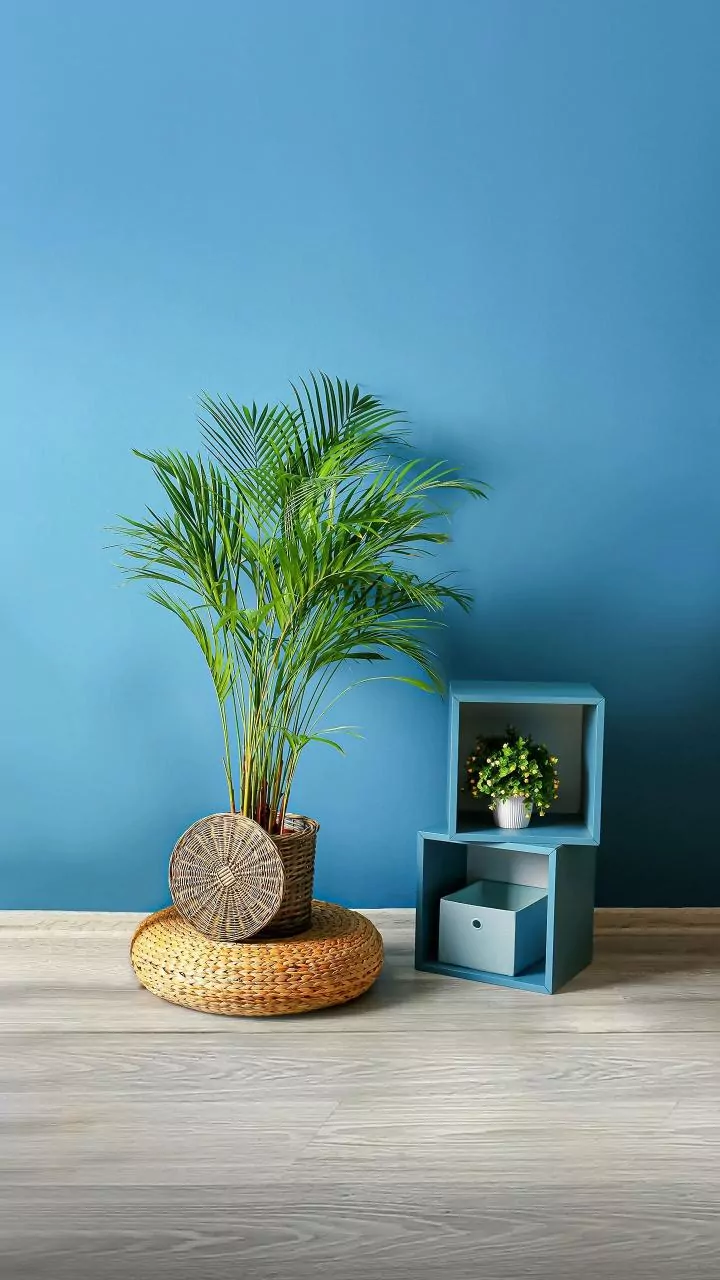
The trend of bringing the outdoors in is booming across India. Rapid urbanisation means less access to private gardens, making indoor plants a popular way to create a green sanctuary at home. For young professionals juggling long work hours, social commitments,
and personal time, the appeal of houseplants comes with a crucial condition: they must be easy to care for. This has led to a surge in popularity for resilient, low-maintenance plants that thrive on a bit of neglect. The goal isn't just about aesthetics; it's about wellness without the work. Studies have shown that indoor plants can improve air quality, reduce stress, and boost your mood. They offer a connection to nature and a sense of nurture, which many find therapeutic in a fast-paced world.
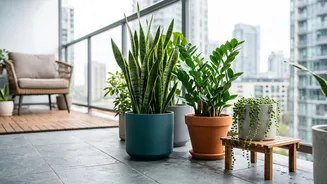
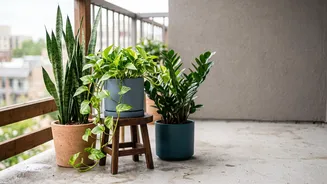
Snake Plant (Sansevieria trifasciata)
Often called 'mother-in-law's tongue,' the Snake Plant is the undisputed champion of low-maintenance greenery. Its stiff, upright leaves have a modern, architectural look that fits well with any decor. It's incredibly forgiving and can survive in low light conditions and with infrequent watering. In fact, the most common way to kill a snake plant is by overwatering it. This plant is also a workhorse, known for its ability to purify the air by removing toxins and releasing oxygen at night, making it an excellent choice for bedrooms.
ZZ Plant (Zamioculcas zamiifolia)
If you're looking for a plant that truly thrives on neglect, the ZZ Plant is your perfect match. With its wide, dark green, glossy leaves, it looks perpetually healthy even when you’ve forgotten about it for weeks. It’s highly tolerant of low light and is extremely drought-resistant thanks to its rhizomes, which store water. This makes it ideal for frequent travellers or those who are simply forgetful. The ZZ Plant is a slow grower, so you won't have to worry about frequent repotting, adding to its reputation as one of the easiest houseplants to own.
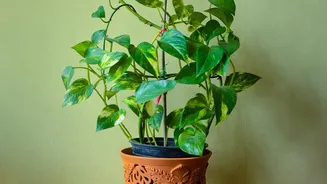
Pothos (Epipremnum aureum)
Commonly known as the Money Plant in India, Pothos is one of the most popular and easiest houseplants to grow. This versatile vine can be grown in soil or water and is known for its heart-shaped leaves and fast-growing trails. It's incredibly resilient and can handle a range of lighting conditions, though it prefers bright, indirect light. Pothos is also very communicative; its leaves will start to droop slightly when it needs water, taking the guesswork out of your care routine. It’s an excellent air purifier and, according to Vastu, is believed to bring prosperity and positive energy.
Peace Lily (Spathiphyllum)
For those who want a flowering plant without the fuss, the Peace Lily is an elegant choice. It's known for its beautiful white blooms and glossy, dark green leaves. Peace Lilies are great communicators, visibly drooping when they need water and quickly perking up after a drink. They prefer indirect light and can even tolerate low-light conditions, making them perfect for apartments that don't get a lot of sun. Beyond their beauty, they are also effective at filtering common indoor pollutants from the air.
Aglaonema (Chinese Evergreen)
Aglaonema, or Chinese Evergreen, is a colourful and durable plant that comes in a variety of patterns featuring shades of green, pink, red, and silver. It’s one of the best plants for low-light environments, making it ideal for offices or corners of your home that are far from a window. It is tolerant of dry air and requires only moderate watering, preferring its soil to dry out between waterings. Its resilience and striking foliage make it a popular choice for adding a splash of colour without demanding constant attention.
Golden Rules for the Busy Plant Owner
Even the hardiest plants benefit from a little thought. First, remember that overwatering is the most common mistake; it's almost always better to under-water than to overdo it. Ensure your pots have drainage holes to prevent root rot. Second, consider your light. Low-light tolerant doesn't mean no-light; place your plants in a spot where they can receive at least some indirect sunlight. Finally, give the leaves a quick wipe with a damp cloth every few weeks to remove dust, which helps them breathe and absorb light more efficiently.