





Choose Your Destination Wisely
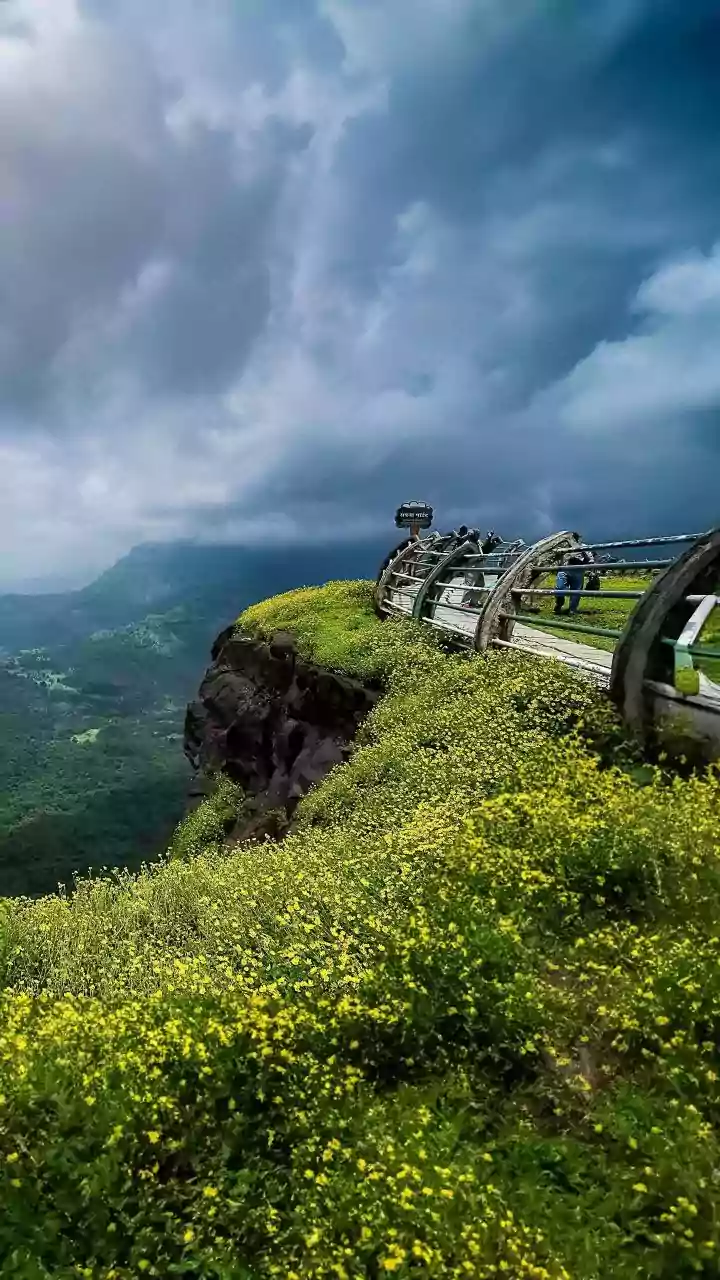
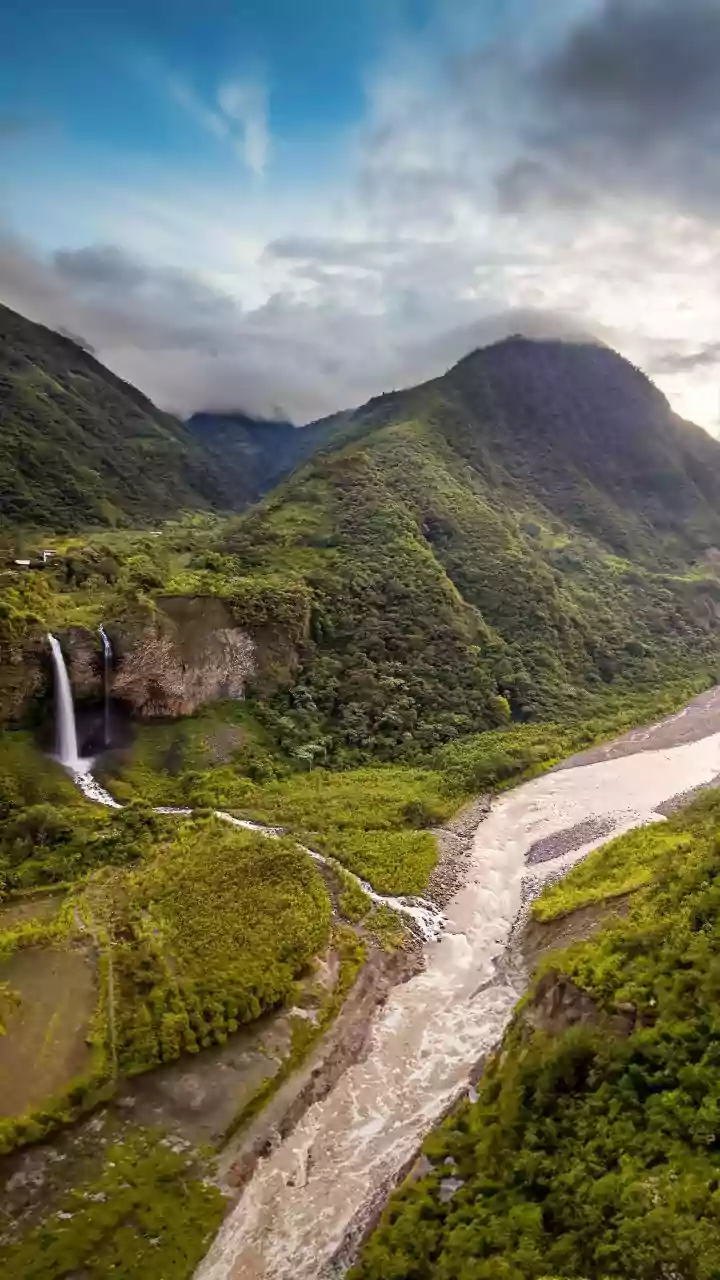
Not all destinations are created equal during the monsoon. While the rain transforms places like the Western Ghats, Kerala's backwaters, or the fields of Rajasthan into verdant wonderlands, other areas become risky. Mountainous regions in the Himalayas,
for instance, are often prone to landslides and road blockages. Before booking, do a quick search for typical monsoon conditions in your chosen area. Opt for destinations known for their monsoon beauty rather than those that simply shut down. Places with good infrastructure, like well-maintained resorts in Goa or heritage hotels in Udaipur, can offer a comfortable and safe base from which to enjoy the dramatic skies and lush scenery.
Pack Smart, Not Just More
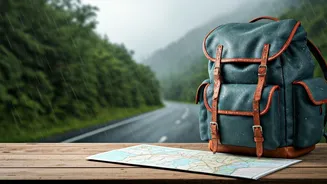
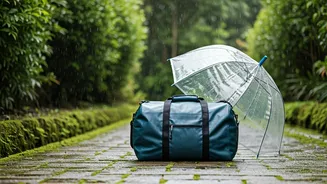
Monsoon packing is an art form. The goal isn't to bring more, but to bring the right things. Ditch the heavy jeans and cottons which take forever to dry and opt for synthetic, quick-dry fabrics. Pack at least one lightweight, breathable waterproof jacket and a sturdy, wind-resistant umbrella. Footwear is critical: leave the leather and canvas sneakers at home. Instead, bring a pair of waterproof rubber sandals or floaters that offer good grip on slippery surfaces. Most importantly, protect your valuables. Use waterproof dry bags or even simple ziplock bags for your phone, camera, passport, and wallet. A waterproof backpack cover is another small investment that pays big dividends.
Prioritise Your Health and Safety
The biggest stressor during monsoon travel is often the fear of falling ill. The risk of water-borne diseases increases, so be vigilant. Stick exclusively to bottled water and avoid ice in your drinks unless you're certain of its source. Be wary of street food, especially anything uncooked like salads or pre-cut fruit. Opt for hot, freshly prepared meals. Carry a basic first-aid kit containing antiseptic wipes, bandages, insect repellent (mosquitoes are rampant), and medication for common ailments like an upset stomach or fever. Keeping your feet dry is also important to prevent fungal infections, so always dry them thoroughly after they get wet.
Embrace Your Digital Toolkit
Your smartphone can be your best friend, but only if you prepare it for the journey. Network connectivity can be unreliable in remote or rain-lashed areas. Before you leave, download offline maps of the regions you plan to visit using Google Maps or a similar app. Use weather apps with real-time radar to track storms and plan your daily excursions accordingly. It’s also wise to have digital copies of all your important documents—flight tickets, hotel reservations, ID cards—saved on your phone and also backed up to a cloud service like Google Drive or Dropbox. This ensures you have access to them even if you lose the physical copies.
Road Trip Rules for the Rain
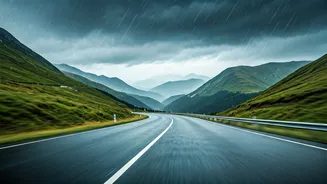
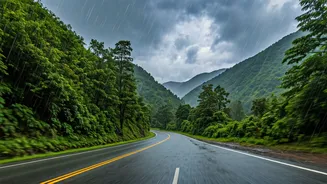
A monsoon road trip can be an unforgettable experience, but safety must be paramount. If you're driving your own car, get it serviced beforehand. Pay special attention to the condition of your tyres, brakes, and windscreen wipers. On the road, reduce your speed significantly and maintain a greater distance from the vehicle ahead. Avoid driving through large, stagnant pools of water as you can't be sure of their depth or what lies beneath. Be extremely cautious while driving at night. Before setting out each day, check for local news on road closures or diversions, especially in hilly areas. The mantra for a monsoon drive is simple: slow and steady.
Build Flexibility Into Your Itinerary
The one thing you can count on during the monsoon is unpredictability. Flights get delayed, trains run late, and roads can get blocked. If your schedule is packed to the minute, this will cause immense stress. The solution is to embrace a more relaxed pace. Build buffer days into your itinerary. If a journey is supposed to take six hours, budget for eight. Don't plan too many activities in a single day. This flexibility allows you to adapt to changing conditions without frustration. A sudden downpour isn't a disruption; it's an opportunity to find a cosy cafe, read a book, and watch the world go by. This mindset shift is the key to truly stress-free travel.