




A Global Stamp of Approval
First, let's break down the terminology. A 'Ramsar site' is a wetland of international importance designated under the Ramsar Convention. This treaty was adopted in the Iranian city of Ramsar in 1971 to protect vital wetland ecosystems. Think of it as a UNESCO
World Heritage status, but for wetlands. When a country designates a site, it commits to its wise use and conservation. This framework encourages national action and international cooperation to halt the loss of wetlands, which are critical for biodiversity, flood control, water purification, and supporting livelihoods. India has been a part of this convention since 1982, and the designation of Glaw Lake brings the nation's tally to 101 sites.
Meet Glaw Lake, a Himalayan Jewel
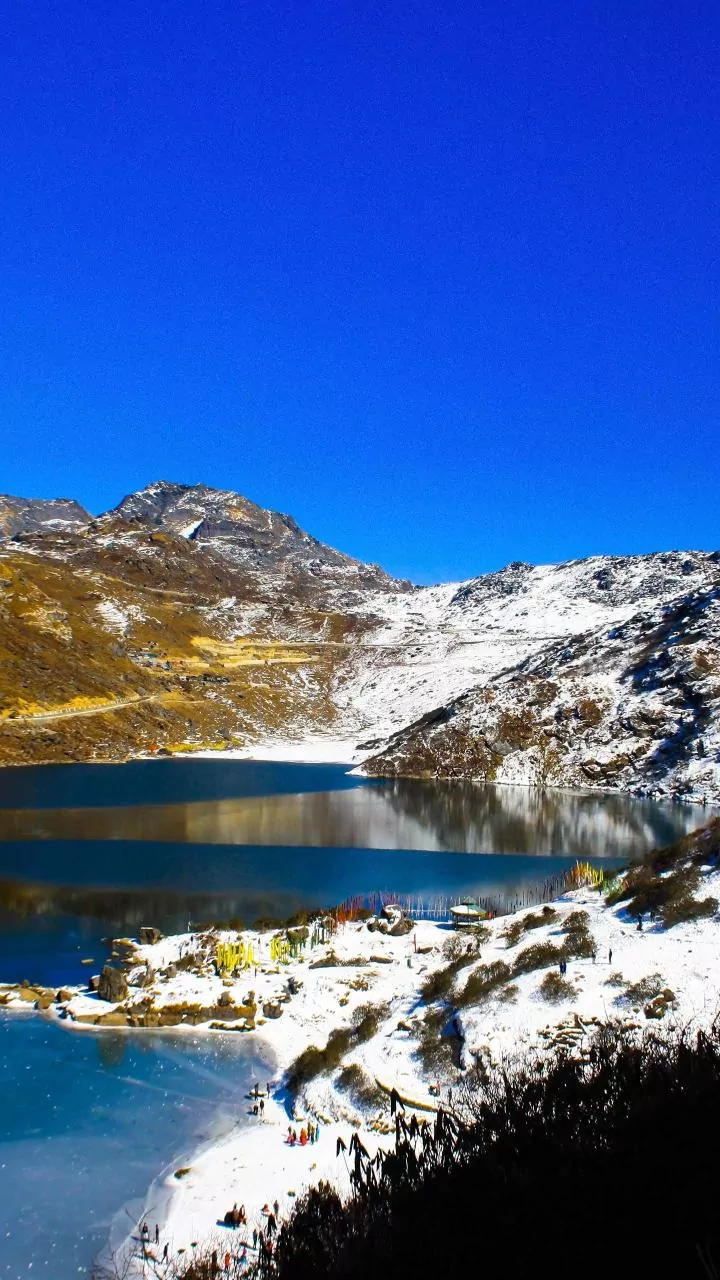
Glaw Lake is not just any body of water. Tucked away in the Lohit district, within the Kamlang Tiger Reserve and Wildlife Sanctuary, it is a pristine high-altitude freshwater lake. Fed by perennial mountain streams, it is a biodiversity hotspot in the Eastern Himalayas. The area around the lake is a lush, green world of its own, with records showing it supports over 150 tree species and an impressive 49 different species of orchids. This rich flora highlights its ecological significance, as orchids are often seen as indicators of a healthy, undisturbed habitat. Its remote location and integration within a protected tiger reserve have helped preserve its pristine character, making it a perfect candidate for this international recognition.
The Practical On-Ground Meaning
The Ramsar designation is far more than just a certificate on a wall. It unlocks a range of practical benefits. Firstly, it brings a higher level of legal protection, focusing national and international attention on the site's conservation needs. This can lead to better-formulated management plans that involve local communities. Secondly, it opens doors to funding and technical expertise. The government and conservation bodies can access international funds and scientific support dedicated to managing Ramsar sites. Thirdly, it often boosts sustainable eco-tourism. The global recognition can attract responsible tourism, providing alternative livelihood opportunities for local communities that are in harmony with conservation goals, rather than in conflict with them.
Conservation Beyond the Plains
Protecting a wetland in the Himalayas presents a different set of challenges and opportunities compared to one in the plains. High-altitude wetlands like Glaw Lake are the source of major river systems, acting as crucial water regulators for downstream communities. They are incredibly fragile and sensitive to climate change. Rising temperatures can accelerate glacier melt, altering the hydrological balance that feeds these lakes. Furthermore, these ecosystems support unique and often rare species adapted to extreme conditions, such as migratory birds that use these sites as vital stopovers. Protecting a site like Glaw Lake is about more than just the lake itself; it’s about safeguarding a critical link in a much larger ecological chain that extends far beyond the mountains.
A Milestone for People and Nature
For Arunachal Pradesh, its first Ramsar site is a landmark achievement. It represents a commitment to balancing development with environmental stewardship. The designation reinforces the idea that conservation is not a barrier to progress but a foundation for it. By ensuring the wise use of Glaw Lake, the state can secure not only the future of its unique biodiversity but also the water security and climate resilience of the entire region. It provides a powerful framework for ensuring that the communities who depend on these natural resources can continue to thrive. As Union Environment Minister Bhupender Yadav noted, every new site strengthens the resolve to protect nature while securing the future of the communities that depend on these invaluable ecosystems.