




The Danger of a 'Self-Test'
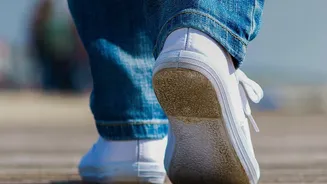
Putting weight on a limb with a suspected fracture is a high-stakes gamble. While it might seem like a good way to gauge the severity, you risk causing significant further damage. A simple, stable fracture can become a 'displaced' fracture, where the broken
bone ends shift out of alignment. This can complicate treatment, potentially turning a situation that required a simple cast into one that needs surgery with plates and screws. Furthermore, the sharp ends of a broken bone can damage surrounding blood vessels, nerves, and muscles, leading to complications like numbness, circulation problems, or long-term pain. In an open fracture, where bone pierces the skin, any movement increases the risk of a serious infection.
Key Signs of a Possible Fracture
It can be difficult to distinguish a severe sprain from a fracture, as both can be intensely painful. However, there are several signs that point more strongly toward a broken bone. Look for immediate, severe pain that is often described as sharp and localized directly over the bone. Other indicators include visible deformity, where the limb looks bent or out of place, or an audible cracking or grinding sound at the time of injury. Significant swelling, bruising, and an inability to bear any weight at all are also major red flags. Numbness or a tingling sensation can occur if nerves have been affected by the break.
The Right First Aid: R.I.C.E.
Instead of testing the limb, the safest immediate response is to immobilize it and follow the R.I.C.E. method. This acronym stands for Rest, Ice, Compression, and Elevation, and it's designed to reduce pain and swelling while you arrange for medical help. Rest: Stop all activity immediately and avoid putting any pressure on the injured area. Keep the limb as still as possible. Ice: Apply an ice pack wrapped in a thin towel to the injury for 15-20 minutes at a time. This helps constrict blood vessels, which reduces swelling and dulls pain. Do not apply ice directly to the skin. Compression: If possible, gently wrap the area with an elastic bandage. It should be firm but not so tight that it causes numbness or cuts off circulation. Elevation: Keep the injured limb raised above the level of your heart. This uses gravity to help drain fluid and further limit swelling.
Why Professional Diagnosis Is Essential
Only a medical professional can definitively diagnose a fracture. A doctor will perform a physical examination, checking for tenderness and deformity. The gold standard for confirming a break is an X-ray. In some cases, such as with subtle stress fractures or if there's concern about damage to surrounding soft tissues like ligaments and tendons, a doctor may order more detailed imaging like a CT scan or an MRI. This detailed assessment ensures the exact type and severity of the fracture is understood, which is crucial for determining the correct treatment plan. Without this step, you risk improper healing (malunion), the bone failing to heal (nonunion), or chronic pain and arthritis down the line.
What to Expect from Treatment
Once a fracture is diagnosed, the goal of treatment is to ensure the bone is correctly aligned and immobilized so it can heal properly. For many fractures, this is achieved with a cast or a splint, which holds the bone in place for several weeks. For more complex or displaced breaks, surgery may be necessary. Surgeons use pins, rods, plates, or screws to internally fix the bone pieces in their proper position. The type of treatment recommended by your doctor will depend entirely on the location and severity of the break. Following their advice on weight-bearing is critical for recovery; putting weight on the limb too soon can cause the fixation to fail and the bone to shift again.