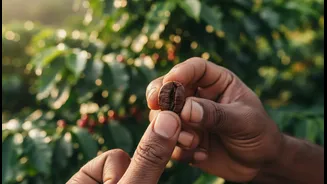









Decoding the 'Single-Origin' Sip
First, let's clarify the term. Single-origin coffee consists of beans sourced from one specific place. This could be a single country, a particular region within that country, or even a single farm or estate. Unlike blends, which combine beans from various
locations to create a consistent and balanced flavour profile year-round, single-origin coffee is all about showcasing the unique character of its specific terroir. Think of it as the difference between a blended table wine and a fine wine from a specific vineyard; each harvest tells a story of the soil, climate, and processing methods of that one place. This results in a more adventurous and distinct tasting experience, often with brighter, more complex notes.
The Quest for a 'Clean Label'
Parallel to the rise of specialty coffee is the demand for 'clean labels'. While not a legally defined term, a clean label generally refers to products with short, simple ingredient lists that are easy for consumers to recognise and understand. It signifies a move away from artificial additives, synthetic chemicals, and hard-to-pronounce preservatives. For today's youth, a clean label is a proxy for trust and transparency. When they see a coffee described as 'Single-Origin from Ratnagiri Estate', they are getting a simple, unadulterated product: coffee beans from a known source. This stands in stark contrast to complexly flavoured syrups and powdered drinks with long, obscure ingredient lists.
A Match for Modern Values
The embrace of single-origin coffee is about more than just taste; it's a reflection of the values held by Millennial and Gen Z consumers. This demographic prioritises authenticity, sustainability, and ethical sourcing in their purchases. They want to know where their products come from, how they were made, and what impact they have on the environment and communities. The traceability inherent in single-origin coffee directly answers these questions. Knowing a coffee comes from a specific farm in Chikmagalur or the Araku Valley provides a tangible connection and a sense of assurance that mass-produced blends cannot offer. It aligns their consumption with a desire for a positive impact.
An Experience, Not Just a Beverage
In India, coffee culture among the youth is booming. Cafes have become default 'third places' for work, socialising, and leisure. For this generation, coffee is not merely a functional beverage but a core part of their lifestyle and identity. The specialty coffee market in India is projected to grow significantly, driven largely by young consumers seeking premium, experience-led consumption. Single-origin coffee delivers this experience. It offers a story, a unique flavour journey, and an opportunity for discovery. It transforms a simple coffee break into an act of connoisseurship and self-expression, often shared on social media, further amplifying the trend.
The Growing Indian Coffee Scene
This trend is perfectly timed with the evolution of India's own coffee landscape. While traditionally a tea-drinking nation, a vibrant specialty coffee movement is taking hold, with a focus on high-quality, locally grown beans. Indian estates in regions like Karnataka, Tamil Nadu, and Kerala are producing world-class Arabica and Robusta beans that are gaining recognition. Local roasters and cafes, from Blue Tokai to Third Wave Coffee Roasters, are making these single-origin Indian coffees accessible, educating consumers and fostering a sense of pride in domestic produce. This allows young consumers to easily participate in this global trend while supporting local agriculture.