







More Than Just Grams
For years, the conversation around protein has been dominated by a simple number: grams. We see it on nutrition labels, track it in apps, and build our meal plans around hitting a specific target. While quantity is important, it only tells half the story.
The true value of a protein source lies in its bioavailability—how much of that protein your body can actually digest, absorb, and put to work for functions like building muscle, repairing tissue, and producing enzymes. This is particularly crucial when considering plant-based proteins, which have different structures and amino acid profiles compared to their animal-based counterparts. Thinking beyond the gram count is the first step to truly understanding and optimizing your protein intake.
What is the 'Digestibility Matrix'?
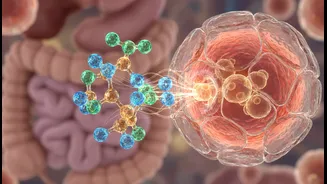
The term 'digestibility matrix' refers to the framework scientists use to evaluate a protein's true quality. This isn't just one single measurement, but a combination of two key factors: the protein's amino acid profile and its digestibility. To standardize this, researchers developed scoring systems. The older method is the Protein Digestibility-Corrected Amino Acid Score (PDCAAS), which was the standard for many years. More recently, the Food and Agriculture Organization (FAO) has recommended a more accurate method called the Digestible Indispensable Amino Acid Score (DIAAS). DIAAS is considered superior because it measures amino acid absorption at the end of the small intestine, giving a more precise picture of what enters your bloodstream for metabolic use.
Putting Plant Proteins to the Test
So, how do plant proteins fare within this matrix? It varies significantly. On average, plant proteins have lower digestibility scores than animal proteins. For example, high-quality animal proteins like whey and eggs score at or above 1.0 on the DIAAS scale, meaning they are highly digestible. Some plant proteins, like soy protein isolate, also score very well, often around 0.9. However, others score much lower; rice protein isolate, for instance, has a DIAAS of about 0.42. This doesn't mean these proteins are 'bad,' but it does mean your body might only absorb 42% of the protein listed. This gap between the label and actual absorption is a critical blind spot in standard nutrition tracking.
The Power of Combination
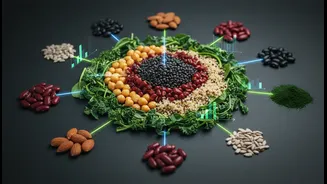
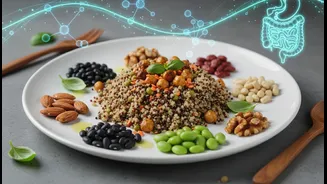
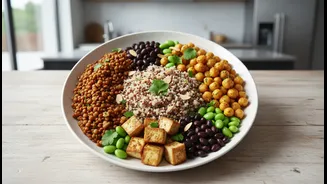
This is where the science gets exciting and practical. The lower scores of many plant proteins are often due to a low amount of one or more 'essential amino acids'—the ones our bodies can't produce. But we can overcome this by combining different plant protein sources. This strategy, known as protein complementation, is a game-changer. For instance, rice is low in the amino acid lysine, while beans and lentils are rich in it. Conversely, beans are lower in methionine, which rice contains. Eaten together, they create a complete amino acid profile, and the blended digestibility score increases significantly. This is the principle behind many traditional food pairings like rice and beans, or hummus and pita.
Making the Matrix Work for You
Understanding protein digestibility empowers you to build a smarter, more effective plant-based diet. Instead of abandoning a protein source because of a low score, you can strategically improve its metabolic value. Simple preparation techniques like soaking, sprouting, or fermenting beans, grains, and seeds can improve their digestibility by breaking down antinutrients. When choosing protein powders, look for blends of multiple plant sources, such as pea and rice, which are specifically designed to offer a complete and highly absorbable amino acid profile. The goal isn't to obsess over every score, but to use the principles of digestibility to make informed and varied choices throughout your day.