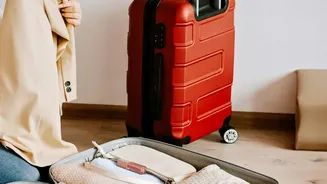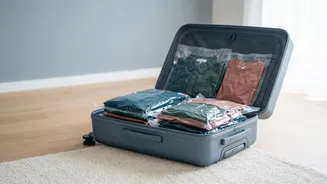







What Are Compression Vacuum Bags?
At their core, compression vacuum bags are airtight sacks designed to remove excess air from soft, bulky items. Think of all the space trapped between the fibres of a fleece jacket or a woollen shawl; these bags are engineered to suck that air out, drastically
reducing volume. The process is simple: you place your clothes inside, seal the bag using its zipper mechanism, and then remove the air. Some bags require a small, often portable, vacuum pump, while others are designed to be rolled by hand, forcing the air out through a one-way valve. The result is a flat, dense, and compact package that takes up significantly less room in your luggage.
The Unbeatable Advantage: Massive Space-Saving
The primary reason travellers swear by these bags is the incredible amount of space they save. Bulky items like winter coats, hoodies, and sweaters can shrink by up to 80% of their original volume. This isn't just a minor improvement; it's transformative. It can mean the difference between checking a bag and flying with only a carry-on. For Indian travellers, this is particularly useful for packing heavy ethnic wear like lehengas or sherwanis for destination weddings, or fitting in all the necessary warm layers for a trip to the Himalayas without needing a second suitcase. This newfound space gives you the freedom to pack more outfits, bring home more souvenirs, or simply enjoy a lighter, less cumbersome bag.
More Than Just Space: Protection and Organisation
Beyond just compressing, these bags offer another significant benefit: protection. The airtight seal keeps your clothes safe from moisture, humidity, dust, and odours. This is perfect for adventurous trips where your bag might be exposed to the elements, or even just to prevent a leaky shampoo bottle from ruining your favourite sweater. They also serve as an excellent organisational tool. You can use separate bags to categorise your clothes by type or to keep clean garments apart from dirty laundry on the return journey, making unpacking a much smoother process.
The Potential Downsides to Consider
While they sound like a miracle solution, there are a few drawbacks. The most-cited issue is wrinkles. Since the clothes are tightly compressed, they are more prone to creasing, especially fabrics like linen or crisp cotton. To minimise this, it is best to neatly fold items before packing. Another key point is that compression bags reduce volume, not weight. It can be easy to overpack and exceed airline weight limits, which are often strict on both carry-on and checked luggage. Finally, if your bag requires a pump, you must remember to pack it for the return journey. Cheaper bags can also lose their seal or be prone to punctures, so investing in a durable, reusable set is wise.
Pro Tips for Perfect Packing
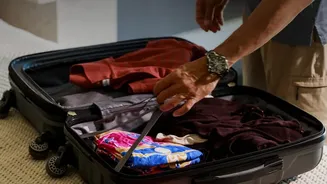
To get the most out of your compression bags, follow a few simple rules. Always start with clean, completely dry clothes to prevent any chance of mildew. Don’t overfill any single bag; it’s better to use multiple bags than to strain the zipper seal. Place neatly folded or rolled items flat inside the bag. While rolling can sometimes be a space-saver, flat folding often works best for even compression. For business shirts or delicate items, consider placing them in the middle of a stack, cushioned by more casual clothing. When you arrive at your destination, hang your clothes up as soon as possible to let any wrinkles fall out. A steamy bathroom can work wonders if an iron isn't available.