







The City's Invisible Attack on Focus
Urban air is a complex cocktail of gases and particles, many of which are too small to see. These include fine particulate matter (PM2.5) from vehicle exhaust and industrial emissions, and volatile organic compounds (VOCs). VOCs are gases released from everyday
products like paints, cleaning supplies, air fresheners, and even new furniture. Because they are fat-soluble, these pollutants have an affinity for the body's fatty tissues, making the brain a prime target due to its high lipid content and rich blood supply. The real danger lies in their size; ultrafine particles are so minuscule they can bypass the body's natural defences, entering the bloodstream and even the brain.
How Pollution Becomes 'Brain Fog'
Once these micro-pollutants reach the brain, they can trigger a cascade of harmful effects. One primary mechanism is neuroinflammation, a low-grade, chronic inflammation of brain tissue. This happens when the brain's immune cells, called microglia, are constantly activated by the presence of foreign particles. This process, combined with oxidative stress, can disrupt the blood-brain barrier, damage neurons, and interfere with the function of neurotransmitters that are essential for learning and memory. Studies have directly linked exposure to PM2.5 and VOCs with symptoms like difficulty concentrating, forgetfulness, slower reaction times, and that general feeling of mental sluggishness often described as 'brain fog'.
Creating a Clean Air Sanctuary at Home
Since indoor air can be two to five times more polluted than outdoor air, your home is the first and most important line of defence. The most effective strategy is source control—reducing the number of pollutants you bring inside. Opt for low-VOC or zero-VOC paints, furnishings, and cleaning products. Avoid aerosol sprays and heavily scented products like air fresheners and candles, which release VOCs. Enhance ventilation by opening windows for at least 10 minutes a day, especially when cooking or cleaning, and use exhaust fans in kitchens and bathrooms. For an extra layer of protection, consider using an air purifier with a HEPA filter, which is designed to capture tiny particulate matter.
Navigating the Urban Outdoors Smarter
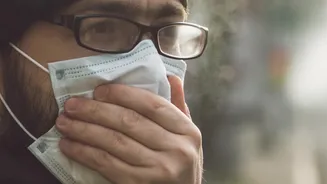
While you can't control the air outside, you can be strategic about your exposure. Get into the habit of checking the daily Air Quality Index (AQI). On days when pollution is high, try to limit strenuous outdoor activities like running or cycling, as heavy breathing increases the number of pollutants you inhale. If possible, plan your exercise for early morning or late evening when traffic-related pollution is typically lower. While masks can offer some protection, their effectiveness against the smallest ultrafine particles varies greatly, but they can help reduce inhalation of larger PM2.5 particles. Even small adjustments to your routine can significantly reduce your overall pollutant load over time, helping to preserve your cognitive health.