






Understanding the Urban Heat Island
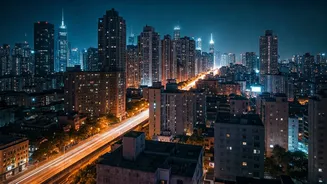
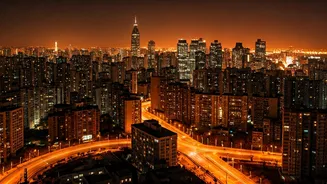
The phenomenon behind this rising heat is known as the Urban Heat Island (UHI) effect. In simple terms, it means our cities are significantly warmer than nearby rural areas, often by several degrees. This happens because urban areas, with their dense
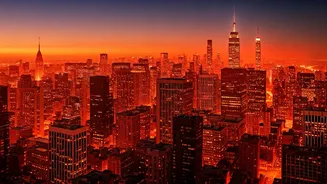
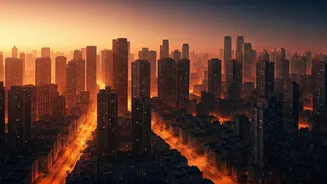
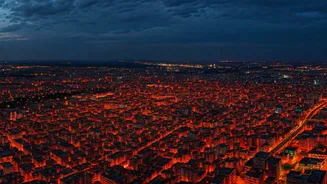
concentration of buildings, roads, and other infrastructure, absorb and retain more of the sun's heat than natural landscapes like forests and fields. The effect is often more pronounced after sunset, as the built environment slowly releases the heat it has stored all day, preventing cities from cooling down at night. This lack of nighttime relief is a growing concern, turning summer heat into a relentless, 24-hour problem.
The Prime Suspects: Concrete and Asphalt
Recent studies point a clear finger at the materials we use to build our cities. Concrete, asphalt, glass, and steel are the primary culprits. Unlike natural surfaces, which reflect sunlight and use moisture to cool the air through a process called evapotranspiration, these materials are masters of heat absorption. A study by researchers at IIT Bhubaneswar highlighted that rapid urbanisation has led to significant night-time warming, with materials like concrete and asphalt storing heat during the day and releasing it in the evening. This process turns our roads, pavements, and buildings into giant radiators, continuously warming the air around them long after the sun has set.
The Disappearance of Green and Blue
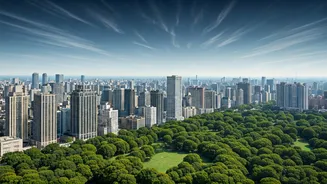
Compounding the problem is the steady decline of natural cooling agents within our cities: green and blue spaces. Trees, parks, lakes, and wetlands act as nature's air conditioners. Research shows that even a small increase in tree cover can noticeably reduce local temperatures. Urban parks and wetlands can be several degrees cooler than dense urban cores. However, rapid urbanisation often comes at the cost of this vital infrastructure. An IIT Bhubaneswar study focusing on the city found that an 83% increase in urbanisation over 15 years corresponded with an 89% decrease in dense vegetation and a 2% drop in water bodies. This loss of green and blue spaces removes the natural mechanisms that help dissipate heat, leaving cities more vulnerable.
The City's Shape and Our Habits
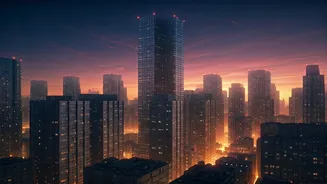
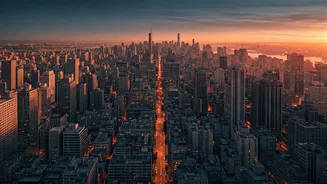
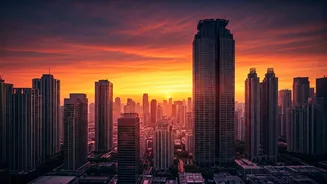
It's not just what our cities are made of, but how they are designed. Tall, closely packed buildings create 'urban canyons' that trap heat and obstruct airflow, preventing natural cooling. Furthermore, our own activities contribute to the warming. Waste heat from vehicle engines and, ironically, from air conditioning units, gets pumped into the urban environment, further raising the ambient temperature. This creates a dangerous feedback loop: as the city gets hotter, more people turn on their ACs, which in turn makes the city even hotter. This cycle puts immense strain on power grids and increases energy consumption.
The Human and Economic Cost
This artificial heating isn't just a matter of discomfort; it has serious consequences. It exacerbates the health risks associated with heatwaves, such as heatstroke and respiratory problems, particularly for the elderly, children, and outdoor workers. The lack of nighttime cooling is especially dangerous, as it denies the body a chance to recover from daytime heat stress. Economically, the impact is also significant. Higher temperatures lead to decreased labour productivity and increased healthcare costs. A World Bank report has estimated that continued heat stress could negatively impact India's GDP if left unaddressed.
Paving a Cooler Path Forward
The good news is that the science also points towards solutions. The key lies in reversing the trends that created the problem. Strategies known as Green and Blue Infrastructure (GBI) focus on reintroducing nature into the urban fabric. This includes planting more trees, creating green roofs and vertical gardens, and restoring urban water bodies. Using reflective 'cool' materials for roofs and pavements that absorb less sunlight is another promising strategy. Planners are also looking at traditional Indian architectural techniques, such as jaali screens and courtyards, which are designed for natural ventilation. By embracing sustainable urban planning, Indian cities can work to dismantle these artificial heat traps and build a more resilient, and cooler, future.