


A Bite of Colonial History
The story of the cutlet in India is a tale of culinary adaptation. Its origins trace back to the British Raj, derived from the French 'côtelette', meaning a thin slice of meat. [3, 12] British households in India, often finding local meat tougher than
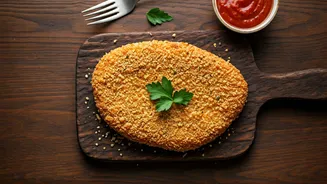
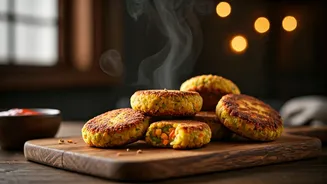
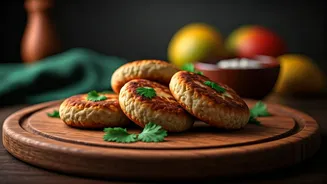
they were used to, preferred it minced (keema). [14, 18] Cooks would mince and spice leftover meats, shape them into patties, coat them in breadcrumbs, and fry them—an excellent way to create a tender, palatable meal. [3, 18] However, the real Indian innovation came with the enthusiastic adoption of the potato, which was introduced by European traders and popularised by the British. [2, 12] Bengalis, in particular, took to the vegetable, and the potato became a perfect, starchy binder and hero ingredient, giving rise to the vegetarian cutlet we know and love today. [2, 4] This new form—essentially a vegetable patty—became a staple, moving far beyond its meaty origins.
The Ultimate Sensory Snack
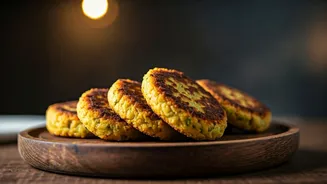
A huge part of the cutlet’s charm lies in the multi-sensory experience it offers. It begins with the sounds and smells of the kitchen: the gentle hiss as the patty hits the hot pan, and the warm, savoury aroma that promises something delicious is on its way. Then comes the moment of the first bite—the delightful textural contrast between the crispy, golden-brown breadcrumb coating and the soft, flavourful interior. It’s a simple pleasure, yet one that is deeply satisfying. This sensory connection is powerful, often linked to feelings of comfort and security. [16] The brain fuses aroma, taste, and texture into a single 'flavor memory,' making the experience of eating a cutlet far more profound than just satisfying hunger. [15]
More Than a Dish, It's a Ritual
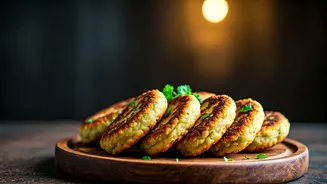
In India, the cutlet is not just food; it’s woven into the fabric of daily life. For generations, it has been the quintessential after-school snack, a welcome sight in a tiffin box, and a reliable appetiser that pleases guests of all ages at parties. [3] Its versatility makes it a staple for countless occasions. Cutlets became particularly popular as part of 'railway cuisine,' served to British travellers and still found on overnight trains today. [19] They are a symbol of hospitality, a simple offering that communicates warmth and care. [11] Preparing them is often a family affair, a chance to bond in the kitchen, making the act of cooking as meaningful as the meal itself. [7, 8]
An Infinitely Adaptable Recipe
Perhaps the greatest strength of the homemade cutlet is its sheer adaptability. There is no single, rigid recipe. Every family has its own version, a secret blend of spices or a unique mix of vegetables passed down through generations. The base can be anything from mashed potatoes and mixed vegetables to minced chicken, mutton, or fish. [2] Innovative home cooks have expanded the repertoire to include everything from paneer and soya to oats and yam. [2] This flexibility allows for endless creativity and customisation. [7] You have complete control over the ingredients, ensuring they are fresh and tailored to your family's specific tastes and dietary needs—a level of personalisation that restaurant food can rarely match. [6, 10]
The Irresistible Taste of Nostalgia
Ultimately, the reason homemade cutlets never go out of style is because they taste like home. Food and nostalgia are deeply intertwined; a single flavour can transport us back to our childhood, evoking feelings of safety and happiness. [5, 13] Psychologists note that the brain’s systems for smell, taste, emotion, and memory are all linked. [5, 16] Eating a food connected to our past can trigger a potent emotional response, acting as a mood-booster and a source of comfort, especially in stressful times. [5, 17] A restaurant cutlet might be perfectly cooked, but it can never replicate that secret ingredient baked into the homemade version: the love, care, and memories associated with the person who made it for you. It’s this emotional connection that makes it a timeless classic.