





Putting the Numbers in Perspective
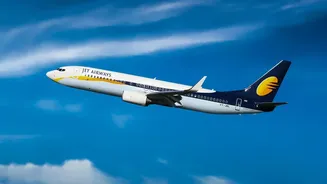
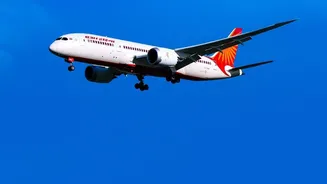
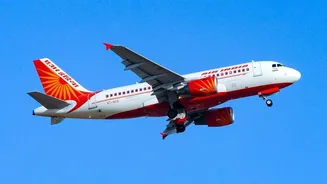
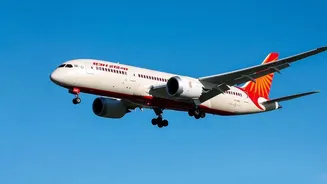
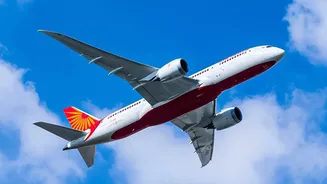
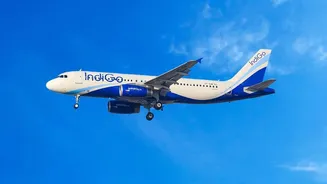
The scale of this proposed expansion is immense. Indian carriers like IndiGo, Air India, and Akasa Air already have more than 1,200 aircraft on order with manufacturers Airbus and Boeing. Goyal’s statement suggests the country’s total requirement is over
2,000 planes, necessitating at least 1,000 more orders to bridge the gap. This reflects forecasts of aggressive growth, with some consultancies projecting India's commercial fleet will grow at 7.1% annually over the next decade, one of the fastest rates in the world. The goal is to accommodate a staggering rise in passenger traffic, which the government aims to increase from roughly 240 million to 1.3 billion by 2047.
The Engine of Demand: A Growing Middle Class
This unprecedented demand is fueled by India's powerful economic growth and demographic shifts. A rising middle class with greater disposable income is increasingly choosing air travel over traditional modes of transport. This trend is amplified by government initiatives like the UDAN (Ude Desh ka Aam Naagrik) scheme, which has successfully made air travel more affordable and accessible. The scheme focuses on enhancing regional connectivity, developing airports in Tier-2 and Tier-3 cities, and connecting previously unserved or underserved regions. Since 2014, the number of operational airports in the country has more than doubled, increasing from 74 to over 166.
More Than Just Planes: Building an Ecosystem
A larger fleet requires a robust ecosystem to support it. The expansion plan extends beyond just purchasing aircraft to include massive investments in infrastructure and human capital. This includes developing 50 to 100 new airports over the next decade and modernising existing ones. Furthermore, the industry will need a huge influx of skilled professionals. Projections suggest that to operate this expanded fleet, India will need to grow its pilot workforce to 35,000 and its technical staff to 34,000 by 2035, roughly tripling current numbers. There is also a major push to develop a domestic Maintenance, Repair, and Overhaul (MRO) industry to reduce reliance on foreign facilities and lower operational costs.
Navigating the Headwinds and Delays
Despite the ambitious targets, the path to expansion is not without its challenges. Indian airlines are urging manufacturers to accelerate deliveries, but global supply chain issues and large order backlogs mean some planes ordered today may not arrive until as late as 2034. High operational costs, particularly due to volatile aviation turbine fuel (ATF) prices, also pose a significant financial hurdle for airlines. Moreover, over 85% of India's current fleet is leased, making access to financing and a friendly leasing environment critical for sustainable growth. The government is actively working on reforms, including through GIFT City, to create a more favourable aircraft leasing and financing hub within India.
The Ultimate Goal: A Global Aviation Hub
The fleet expansion is a cornerstone of a much larger strategic vision: transforming India into a global aviation hub. Currently, about 35% of international passengers from India transit through foreign airports like Dubai, Singapore, or London. By developing multiple world-class hubs in cities like Delhi, Mumbai, and Bengaluru, India aims to capture a significant portion of this transit traffic. This 'hub-and-spoke' strategy, which began rolling out in mid-2026, will not only offer more convenience for Indian travellers but also strengthen the position of domestic airlines on the global stage. The long-term vision is to leverage India's geographical location to compete directly with established international transit centres.