


Upgrade Your Footwear Game
The first casualty of a rainy commute is often your feet. Soggy shoes and socks are not just uncomfortable; they can also lead to fungal infections. [3, 17] Leather and canvas shoes are poor choices for the monsoon as they absorb water, become heavy,
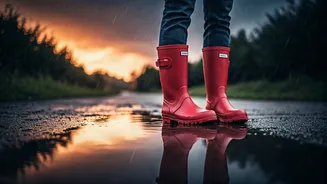
and take ages to dry. [4, 14] Instead, invest in footwear made from water-resistant materials like rubber, PVC, or EVA. [4] Look for sandals, floaters, or slip-ons with good anti-slip soles to navigate slippery pavements. [2, 4, 17] These materials don't retain water, meaning they dry quickly and are easy to clean. [4] Open-toed sandals can be a surprisingly good option as they allow for quick drying and breathability, preventing moisture from being trapped. [2, 17]
Choose a Truly Waterproof Bag
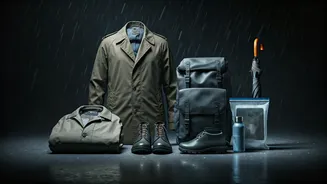
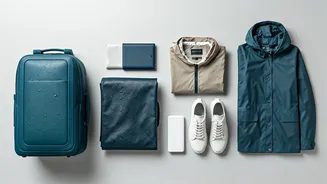
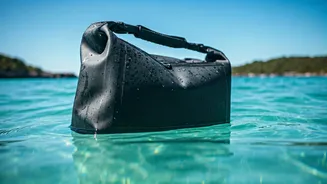
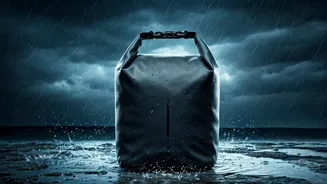
Your regular backpack might be stylish, but it probably won’t protect your laptop, documents, and other electronics from a sudden downpour. A waterproof bag is a non-negotiable monsoon essential. Look for backpacks or duffel bags made from waterproof polyester or those that come with a built-in rain cover. [11, 22] Roll-top designs offer superior protection as they minimize water entry points. [9, 25] For double security, you can line the inside of your bag with a large garbage bag. [22] Many brands now offer stylish and functional waterproof bags, from laptop backpacks to crossbody sling bags, ensuring your valuables stay bone dry. [7, 9]
Protect Your Electronics at All Costs
In today's connected world, a water-damaged phone or laptop can be a disaster. Small, reusable ziplock bags are a low-cost but highly effective way to shield your phone, power bank, and charging cables from moisture. [6, 22] You can buy them in various sizes to fit all your gadgets. For important documents, a waterproof pouch or folder is a wise investment. [18] Some commuters even keep a few silica gel packets—the kind that come with new shoes or electronics—in their bags to absorb any ambient moisture and keep things dry.
The Wind-Resistant Umbrella
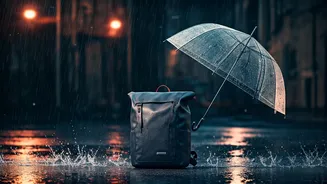
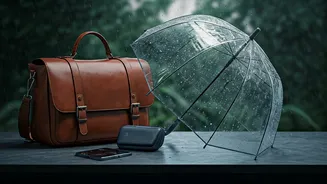
Not all umbrellas are created equal. A flimsy, cheap umbrella will turn inside out with the first strong gust of wind, leaving you exposed to the rain. [3] Invest in a sturdy, compact, and wind-resistant umbrella that you can easily carry in your bag. [21] While a raincoat is great, a good umbrella provides a wider circle of protection, helping to keep your bag and the lower half of your body drier, especially when you’re standing still or navigating crowded areas.
Pack a Post-Commute Rescue Kit
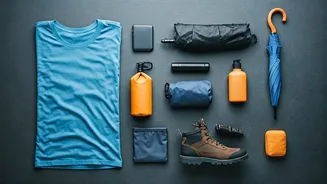
Sometimes, despite your best efforts, you will get wet. The key is to recover quickly once you reach your office or home. Keep a small “rescue kit” at your workplace. [5, 10] This should include a small, quick-dry towel, a spare pair of socks, and perhaps a fresh shirt. [6] Some people even keep a pair of office-appropriate shoes under their desk to change into. [3] Having these items on hand means you don't have to sit uncomfortably in damp clothes all day, which can help you avoid catching a cold.
Rethink Your Clothing Choices
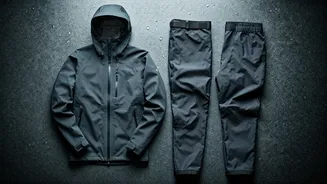
During the monsoon, fabric choice is everything. Heavy materials like denim are a bad idea as they soak up water and become incredibly heavy and uncomfortable. [24] Opt for lightweight, quick-drying fabrics like polyester, nylon, and other synthetic blends. [21, 24] These materials don't hold onto moisture and will dry much faster if you get caught in a shower. Darker colours are also a practical choice as they are more forgiving with mud splashes, a common hazard on rain-slicked streets. [24] Layering with a light, waterproof jacket or poncho can provide flexible protection against unpredictable weather. [15, 24]