



More Than Just a Humble Dal
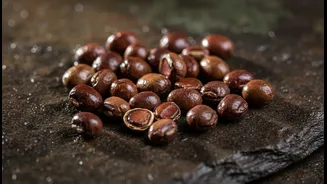
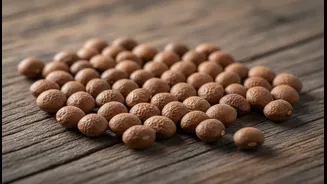
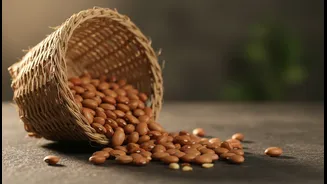
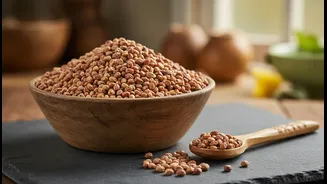
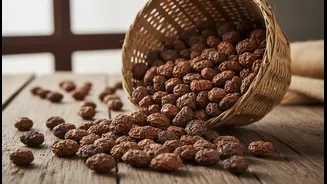
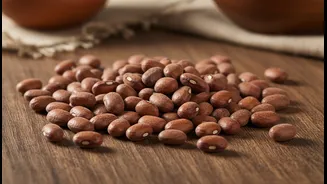
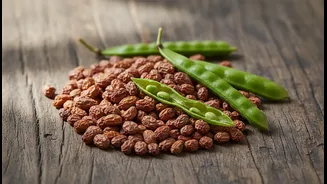
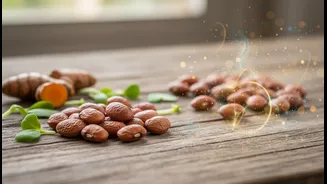
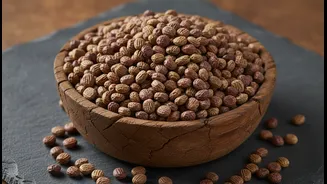
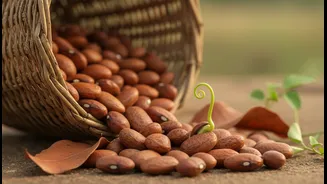
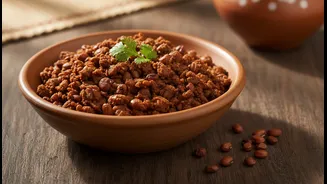
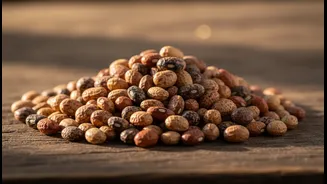
In many parts of India, horse gram is a familiar sight, often regarded as the 'poor man's pulse.' Traditionally consumed in rural and arid regions, it earned its English name for its use as a protein-rich feed for cattle and horses. Its legacy is one
of sustenance and affordability, simmered into hearty dals, soups, and rasams, especially valued in winter for its warming properties. For decades, it remained in the background of India’s culinary landscape, overshadowed by more popular lentils like toor and moong. But this perception is rapidly changing as we rediscover the incredible, untapped potential packed into these tiny seeds.
A Nutritional Powerhouse Unpacked
What makes horse gram so special is its dense nutritional profile. It stands out as one of the most protein-rich lentils available, with protein content ranging from 22% to 25%. It also boasts the highest calcium content among all pulses, making it crucial for bone health. Beyond that, it is an excellent source of iron, dietary fiber, and essential minerals. But the real magic lies in its bioactive compounds, such as polyphenols and flavonoids. These are powerful antioxidants that help the body fight off oxidative stress, which is linked to various chronic diseases. Essentially, this humble dal contains the kind of nutritional firepower found in many modern 'superfoods'.
The Scientific Case for Health
Traditional Ayurvedic medicine has long used horse gram to treat ailments ranging from the common cold to kidney stones. Modern science is now catching up, providing evidence for these age-old beliefs. Research suggests that horse gram may play a significant role in managing type 2 diabetes. Some studies have found that it can help slow down carbohydrate digestion and reduce insulin resistance, preventing sharp spikes in blood sugar after meals. Its most famous traditional use—treating kidney stones—is also supported by its diuretic properties, which help flush the urinary system. Furthermore, its combination of high fiber and low fat makes it a heart-friendly food, with studies in animals indicating it can help lower bad cholesterol levels.
India’s Climate-Smart Crop
Perhaps one of the most significant opportunities horse gram presents is agricultural. This is a crop that thrives in adversity. It is remarkably drought-resistant, capable of growing in poor soil and with very little rainfall—conditions where other crops might fail. In a country facing increasing water scarcity and unpredictable weather patterns, horse gram is a climate-smart choice for farmers, especially those in arid and semi-arid regions. As a legume, it also naturally fixes nitrogen in the soil, improving fertility and reducing the need for chemical fertilizers. This makes it not just a resilient crop, but a sustainable one that can play a vital role in India's future food security.
Beyond the Bowl: New-Age Applications
The real opportunity mentioned in the headline extends far beyond the kitchen. Entrepreneurs and food technologists are beginning to see horse gram as a valuable ingredient for functional foods. Its high protein content makes it an ideal candidate for plant-based protein powders, a booming market worldwide. The development of horse gram flour, ready-to-eat rice mixes, and healthy snacks is already underway. Its beneficial properties are also being explored for nutraceuticals—products derived from food sources with extra health benefits. As consumers become more health-conscious and seek out sustainable, plant-based options, horse gram is perfectly positioned to be rebranded from a traditional pulse to a key ingredient in modern wellness products.