


The Ancient Grain’s Modern Comeback
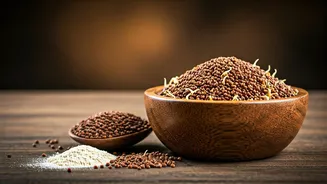
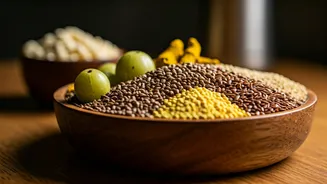
For generations, ragi, or finger millet, has been a cornerstone of traditional Indian diets, especially in the southern states and hilly regions. This humble, hardy grain was lauded for its resilience and its ability to nourish. Packed with calcium, iron,
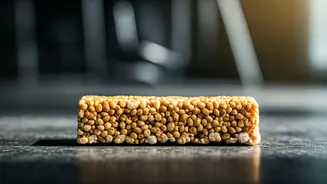
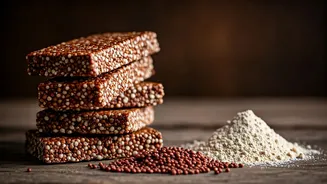
amino acids, and dietary fibre, ragi has long been the secret behind the robust health of rural communities. It was the original 'superfood' long before the term became fashionable. However, in the rush towards refined wheat and rice, ragi was often relegated to the background, viewed as 'old-fashioned'. Today, it’s staging a triumphant comeback. As urban India rediscovers its roots and seeks out sustainable, nutrient-dense foods, ragi is being celebrated once again, this time in a sleek, modern format: the energy bar.
Why Sprouting Makes a Difference
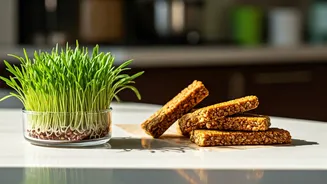
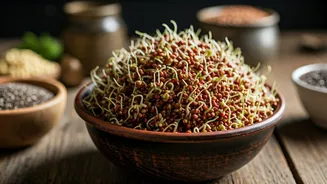
The key to this trend isn't just ragi, but *sprouted* ragi. Sprouting is the simple, natural process of germinating grains by soaking them in water. This ancient technique is a biochemical marvel. When the grain begins to sprout, it activates enzymes that start breaking down complex starches into simpler sugars and proteins into amino acids. This process does two crucial things. First, it significantly increases the bioavailability of nutrients like iron, calcium, and B vitamins, meaning your body can absorb them more easily. Second, it reduces 'anti-nutrients' such as phytic acid, which can interfere with mineral absorption. The result is a flour that is not only nutritionally superior but also much easier to digest. This is the 'clean' upgrade that elevates a simple ragi bar into a modern wellness staple.
Decoding the 'Clean Eating' Connection
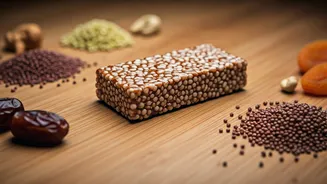
The term 'clean eating' can be confusing, but at its core, it’s about choosing whole, minimally-processed foods and avoiding artificial ingredients, preservatives, and refined sugars. Sprouted ragi energy bars are the poster child for this philosophy. The best versions on the market contain a short, understandable list of ingredients. The base is sprouted ragi flour, which is bound together not with corn syrup or artificial gums, but with natural sweeteners like dates, jaggery, or honey. Healthy fats and texture come from nuts and seeds like almonds, walnuts, and pumpkin seeds. There are no preservatives, no artificial colours, and no ingredients you can't pronounce. This commitment to natural, wholesome components is precisely why they have become a go-to for anyone following a clean eating lifestyle, from yoga practitioners to busy parents.
The Ultimate On-the-Go Nutrition
Beyond the nutritional science, the success of sprouted ragi bars comes down to sheer convenience. Modern life is hectic. Between work deadlines, commutes, and family responsibilities, finding time for a healthy, home-cooked meal can be a challenge. The 4 PM slump, the pre-workout energy dip, or the need for a healthy tiffin snack for kids are all real-world problems. Ragi bars offer a perfect solution. They provide a slow-release source of energy from complex carbohydrates, sustained by the protein and healthy fats from nuts and seeds. They are portable, non-messy, and portion-controlled, making them an easy 'yes' for a work bag, gym kit, or school lunchbox. It’s the guilt-free convenience that today's health-conscious consumer craves.
Not All Bars Are Created Equal
As the popularity of these bars soars, the market is flooded with options. It's crucial to become a savvy label-reader to ensure you're getting the benefits you seek. Look for bars where sprouted ragi is one of the first ingredients. Check the sugar source—dates, figs, and raw honey are excellent choices. Be wary of bars that list 'brown rice syrup' or other processed sugars high on the list. The ingredient list should be short and recognisable. The best bars are often those made by small, local brands that prioritise quality over mass production. Don't be swayed by marketing terms like 'supercharged' or 'active'; let the simplicity and purity of the ingredients be your guide.