



Munnar, Kerala: Tea Gardens in the Mist
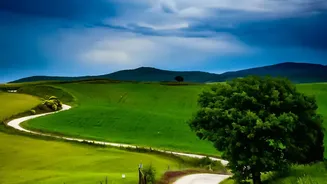
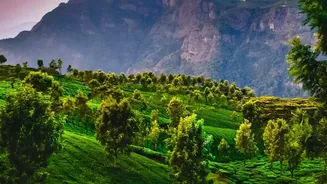
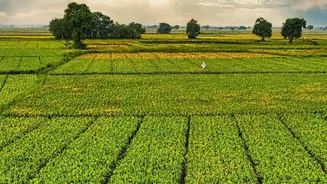
Munnar during the monsoon is a dreamscape of rolling hills blanketed in vibrant green tea plantations. The rain washes the landscape clean, leaving behind a saturated, almost surreal palette of greens. The main photographic draw is the interplay between
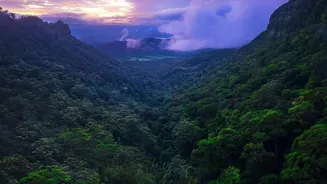
the mist and the neatly terraced tea gardens. Clouds often descend into the valleys, creating soft, diffused light that is perfect for capturing moody and atmospheric shots. Focus on the winding roads that snake through the estates, the patterns of the tea leaves beaded with raindrops, and the powerful cascades of Attukal Waterfalls, which are at their peak during this season. For a truly panoramic view, head to Top Station, where you might see a sea of clouds floating beneath you.
Cherrapunji, Meghalaya: The Abode of Clouds
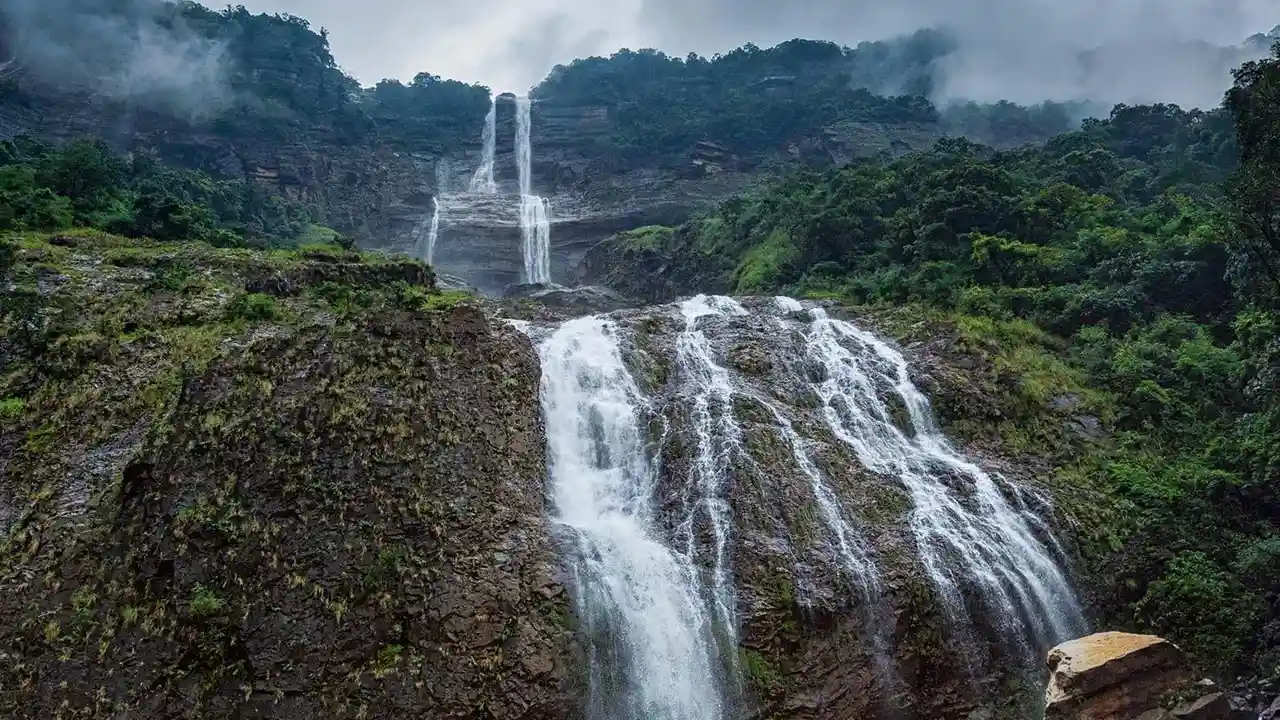
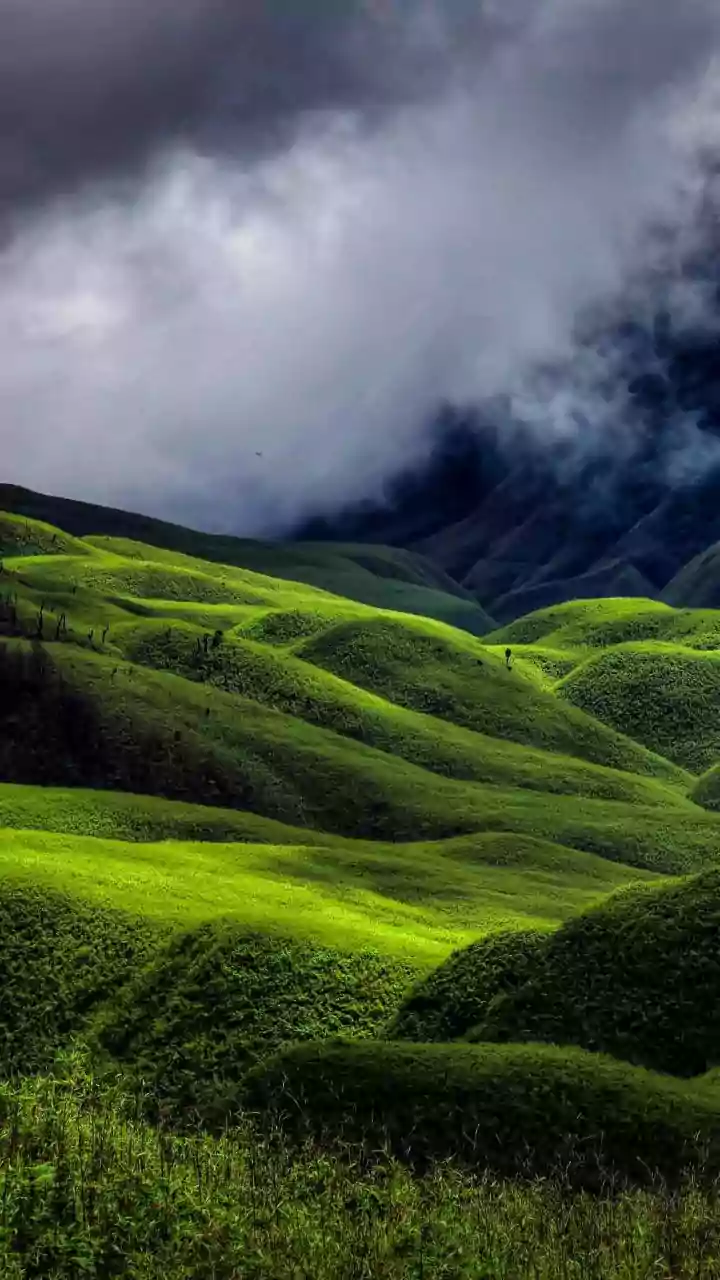
As one of the wettest places on Earth, Cherrapunji (Sohra) in Meghalaya is where the monsoon puts on its most spectacular show. This is a destination for dramatic landscapes. The star attractions are the waterfalls, which become thunderous forces of nature. Nohkalikai Falls, India's tallest plunge waterfall, is a particularly powerful sight, surrounded by mist-covered green cliffs. Another must-see is the Seven Sisters Falls, which flows best after heavy rain. Beyond the falls, photograph the famous living root bridges, ancient wonders of bio-engineering that glisten under the rain. The entire region is often wrapped in thick fog, creating ethereal and mysterious frames that are unique to this part of the country.
The Western Ghats, Maharashtra: A Verdant Paradise
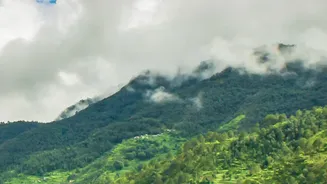
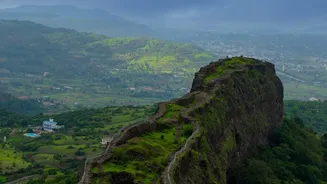
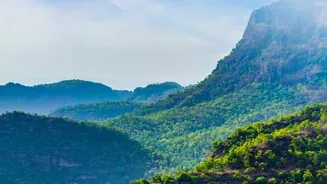
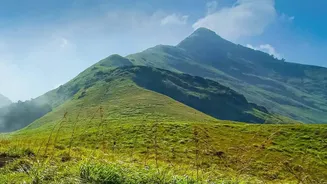
The Sahyadri mountain range in Maharashtra transforms into a lush green paradise during the monsoon. Hill stations like Lonavala, Malshej Ghat, and Mahabaleshwar become havens for photographers seeking misty valleys, countless waterfalls, and vibrant flora. The drive through these ghats is a photographic opportunity in itself, with waterfalls appearing along the roadsides and clouds rolling across the viewpoints. Tamhini Ghat, in particular, is noted for its raw, untouched appeal and reverse waterfalls caused by strong winds. Focus your lens on the dramatic cloud formations, the textures of wet rocks, and the panoramic views from points like Arthur's Seat in Mahabaleshwar.
Valley of Flowers, Uttarakhand: A Himalayan Carpet of Blooms
A UNESCO World Heritage Site, the Valley of Flowers in Uttarakhand is a seasonal wonder that comes alive during the monsoon months of July and August. The rains trigger the blooming of hundreds of species of alpine flowers, turning the meadows into a vibrant carpet of colours against the backdrop of snow-capped Himalayan peaks. This is a trekker's paradise and a dream for macro and landscape photographers. You can capture everything from the famous blue poppy and pink primulas to wide shots of the entire valley awash in colour. The mist that often hangs over the valley adds a mystical quality, making every frame feel like a painting. The park is only open from June to October, making the monsoon the prime time to visit.
A Word on Preparation
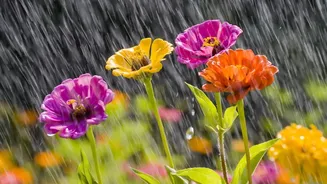
Monsoon photography is as much about preparation as it is about creativity. Protecting your gear is paramount. Invest in a good rain cover for your camera and lens. A lens hood can help keep raindrops off your front element. Always carry a microfiber cloth to wipe away moisture. Be mindful of your safety; trails can be slippery and waterfalls powerful, so avoid taking unnecessary risks. Experiment with your camera settings. Use a fast shutter speed to freeze falling raindrops or a slower one to create a streaky, ethereal effect. The overcast skies provide soft, diffused light, which is ideal for capturing rich colours without harsh shadows.