



The Search for Authentic Wellness
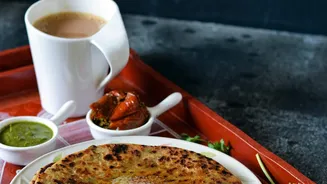
The most significant driver is a conscious shift towards wellness, moving beyond calorie counting to holistic nutrition. Young Indians are increasingly aware that traditional breakfasts are often inherently healthier than their processed counterparts.
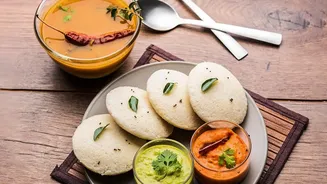
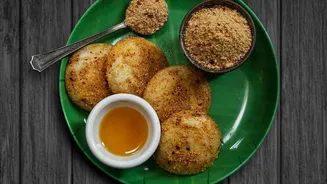
A plate of poha, for instance, is a source of healthy carbohydrates, while peanuts provide protein and healthy fats. Dishes like idli and dosa, made from fermented batter, are packed with probiotics that promote gut health. This move is a rejection of the high-sugar, low-fibre cereals that dominated urban pantries for years, and a return to meals that provide sustained energy. Spices like turmeric, cumin, and ginger, staples in Indian cooking, not only add flavour but also boast medicinal properties that aid digestion and boost immunity.
A Connection to Roots and Identity
In an increasingly globalized world, food has become a powerful anchor to identity. For many young urbanites living away from home, a traditional breakfast is more than just a meal; it's a taste of nostalgia and a connection to their roots. This trend is part of a broader cultural movement celebrating India's vast culinary diversity. As people explore hyper-regional cuisines, they discover that a simple breakfast can tell a story about a place, its climate, and its people. This search for authenticity is a way of preserving and celebrating heritage in a tangible, delicious way, moving beyond generic restaurant fare to embrace food with deeper meaning.
The Social Media Showcase
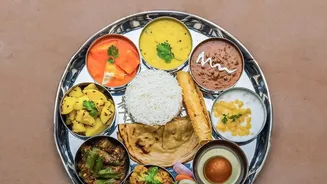
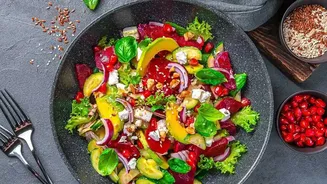
What we eat is now a visual statement, and social media platforms are playing a massive role in making traditional food cool again. Food influencers and everyday users alike are sharing vibrant images of their morning meals, turning a simple plate of upma or a colourful thali into aspirational content. According to recent data, a vast majority of consumers rely on social media for food discovery. This digital word-of-mouth has been crucial. When a beautifully plated ragi dosa or a bowl of sprouts salad gets thousands of likes, it reinforces the idea that traditional food is not just healthy but also trendy and desirable. This visibility is inspiring a new generation to try recipes that might have otherwise been forgotten.
The Rise of Millets and Ancient Grains
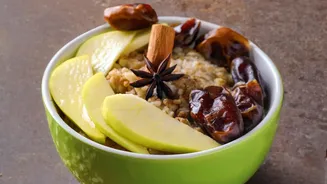
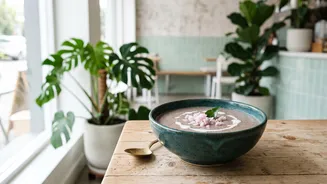
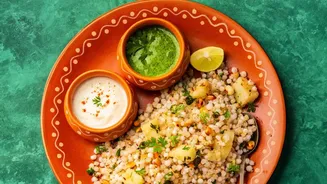
The global and national push towards millets has found a receptive audience among health-conscious youth. Grains like ragi, jowar, and bajra, once considered humble foods, are now celebrated as superfoods due to their high fibre, protein, and mineral content. The United Nations' declaration of 2023 as the International Year of Millets created significant awareness. While studies show that awareness can still be improved among some youth demographics, the trend is undeniably growing. These ancient grains are being creatively incorporated into modern breakfast formats like dosas, chillas, and even porridges, offering a nutritious and sustainable alternative to refined wheat and rice.
Convenience Catches Up with Tradition
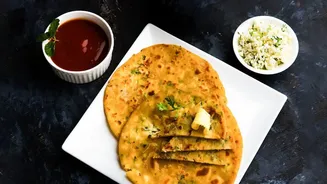
One of the biggest hurdles for traditional meals in a fast-paced world is preparation time. However, the market is quickly adapting. The rise of cloud kitchens, local delivery apps, and high-quality ready-to-cook mixes means a wholesome traditional breakfast is often just an order away. It's a direct response to a generation that values convenience but is unwilling to compromise on health. This new ecosystem allows young professionals and students to enjoy home-style meals without the effort, seamlessly blending the wisdom of the past with the realities of modern life. It proves that nutritious, traditional food can fit into even the busiest of schedules.