

Gurudongmar Lake, Sikkim: The High-Altitude Canvas
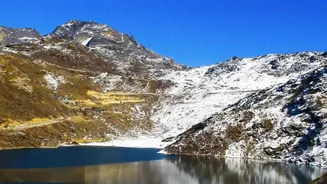
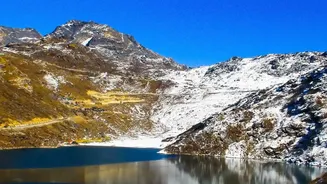
At an altitude of over 17,000 feet, Gurudongmar Lake is one of the highest in the world and a place of profound stillness. For photographers, the challenge of the altitude is rewarded with crystal-clear turquoise water that mirrors the stark, snow-dusted
peaks surrounding it. The air is thin and the light is incredibly sharp, creating high-contrast scenes. Prayer flags add vibrant splashes of colour against the earthy tones of the mountains. The best time for photography is during the spring and autumn months of April-May and October-November when the weather is more stable. Winter freezes the lake, offering a surreal, icy landscape, but access can be difficult. Due to the extreme altitude, it's crucial to acclimatise properly before visiting.
Tsomgo Lake, Sikkim: The Ever-Changing Beauty
Just a few hours from Gangtok, Tsomgo Lake, or Changu Lake, is a glacial wonder that transforms with the seasons. In winter, it's a frozen wonderland, while spring brings blooming alpine flowers to its shores. Photographers are spoilt for choice: capture the reflections of the surrounding hills on the placid water, frame a shot with colourful yaks and prayer flags, or take the cable car for a panoramic aerial view. The best light is in the morning before the clouds often roll in. A permit is required to visit, which can be arranged by local tour operators in Gangtok. Remember to pack layers, as the weather here is famously unpredictable.
Umiam Lake, Meghalaya: The Expansive Reservoir
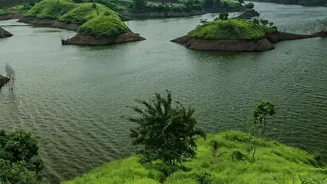
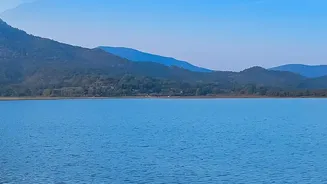
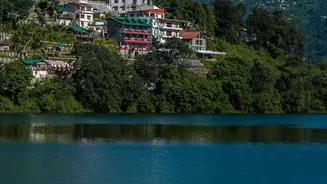
Often the first glimpse of Meghalaya's beauty for those driving from Guwahati to Shillong, Umiam Lake is a vast man-made reservoir that feels completely natural. Its sprawling blue waters are dotted with tiny islets and surrounded by the gentle slopes of the Khasi hills. The viewpoint on the highway is a classic spot for a wide landscape shot, especially at sunrise or sunset when the colours are spectacular. For a different perspective, get down to the water's edge at one of the resorts or water sports complexes. Here, you can capture the interplay of boats on the water, the surrounding pine forests, and the dramatic Meghalayan sky. Its accessibility makes it a convenient and rewarding stop for any photographer.
Loktak Lake, Manipur: The World's Only Floating Lake
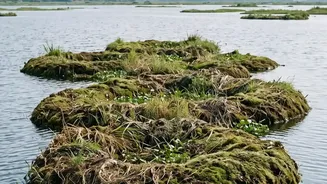
Loktak Lake is an ecosystem unlike any other. It is famous for its 'phumdis' – circular masses of floating vegetation, soil, and organic matter. These floating islands are so large that local fishermen build their homes on them. From a photographic standpoint, this offers endless unique compositions. The best way to capture its essence is by taking a boat ride through the channels that cut through the phumdis. From a high viewpoint, the circular patterns of the islands create an abstract, geometric landscape. The lake is also home to Keibul Lamjao National Park, the world's only floating national park, offering chances for wildlife photography. Early morning light is particularly magical here.
Sela Lake, Arunachal Pradesh: The Gateway to Tawang
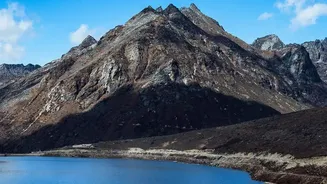
Nestled near the Sela Pass at an altitude of 13,700 feet, Sela Lake is a sacred and breathtakingly beautiful water body on the route to Tawang. In winter, the lake often freezes over completely, set against a backdrop of snow-covered mountains, creating a pristine and otherworldly scene. In spring and summer, the clear blue waters reflect the rugged landscape. The road to the pass itself offers dramatic photographic opportunities with hairpin bends and panoramic Himalayan vistas. The area is prone to unpredictable weather, and heavy snowfall can close the pass, so it's essential to check conditions beforehand. The best times to visit for clearer skies are generally from October to November and March to April.