




1. The Lofoten Islands
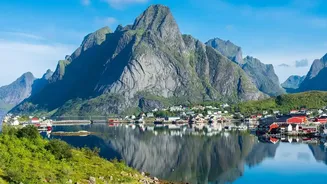
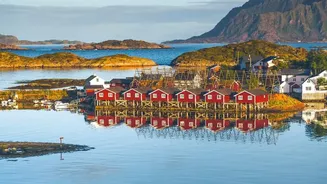
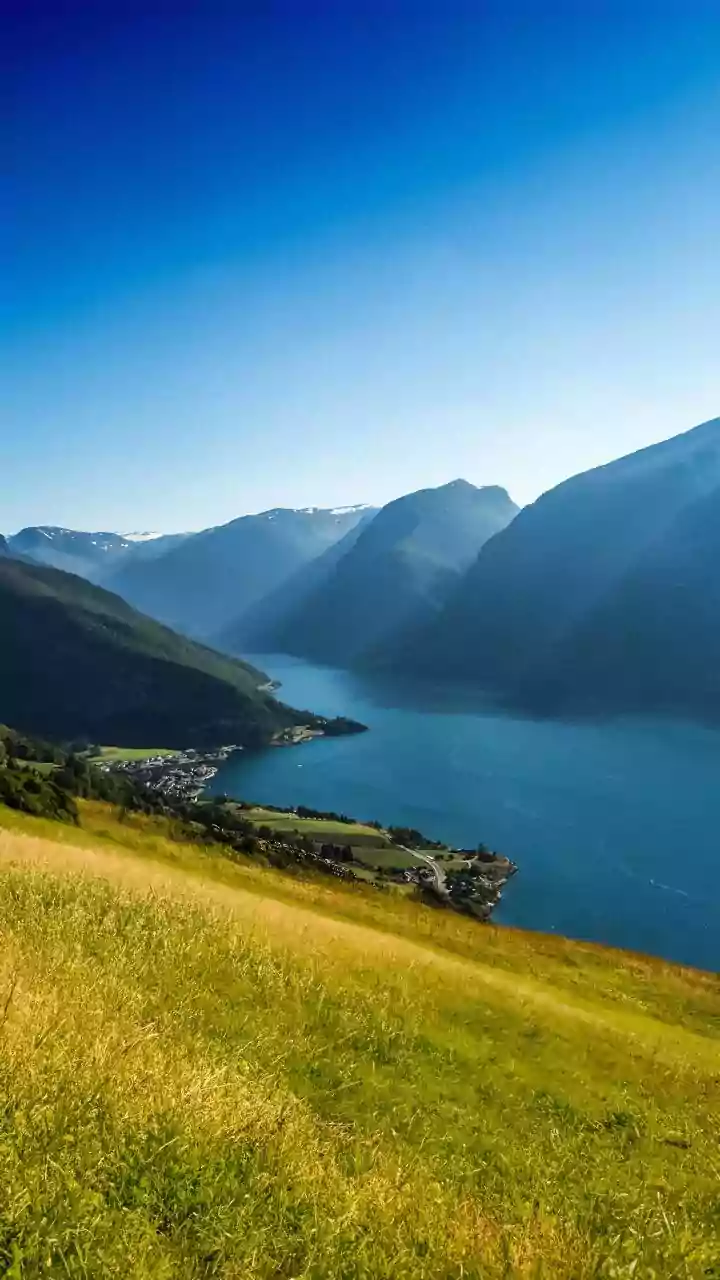
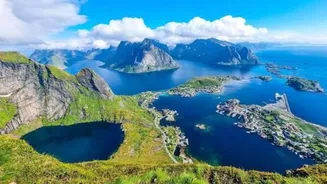
You've likely seen the photos: impossibly sharp peaks rising from turquoise waters, with quaint red fishing cabins (rorbuer) clinging to the shorelines. That's the Lofoten archipelago in a nutshell. Located above the Arctic Circle, these islands offer
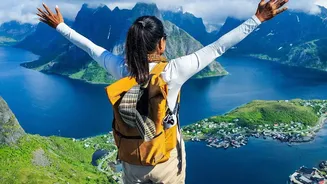
a stunning combination of dramatic landscapes and accessible adventure. A drive along the E10 road connects several of the main islands, but the true magic is found by exploring the fishing villages of Reine, Hamnøy, and Å, the last stop on the road. Whether you're hiking the famous Reinebringen trail for its iconic viewpoint or kayaking through serene fjords, Lofoten feels like stepping into a postcard. In summer, the midnight sun provides endless daylight for exploration, while winter brings the mesmerising dance of the Northern Lights.
2. Senja
Often called 'Norway in Miniature', Senja packs the country's diverse landscapes onto one island. Quieter and less crowded than its famous neighbour, Lofoten, Senja offers a wilder, more untamed beauty. The island's outer coast is a breathtaking scenic route featuring sheer cliffs, white-sand beaches like Ersfjord, and jagged mountain formations known as the 'Devil's Teeth' at Tungeneset. For hikers, the trail to Hesten provides the classic, jaw-dropping view of the iconic Segla peak. The island is a haven for outdoor enthusiasts, offering everything from sea eagle safaris to kayaking in sheltered fjords. Quaint fishing villages like Husøy and Gryllefjord provide a peaceful base for exploring this rugged paradise.
3. Sommarøy
Just an hour's drive from Tromsø, Sommarøy, or 'Summer Island', feels like a world away. This small archipelago is famous for its almost Caribbean-like appearance, with stunning white-sand beaches and crystal-clear turquoise waters, all set against a backdrop of rugged Arctic mountains. Connected to the larger island of Kvaløya by a bridge, it’s an easily accessible escape. During the summer, the sun doesn't set for over two months, creating a timeless atmosphere where locals famously campaigned to become the world's first 'time-free zone'. Whether you're kayaking under the midnight sun, hiking to the Ørnfløya viewpoint, or watching for the Northern Lights in winter, Sommarøy offers a serene and surreal Arctic experience.
4. Hidra
In stark contrast to the Arctic drama of the north, Hidra offers the gentle charm of southern Norway. Located just a short ferry ride from the town of Flekkefjord, this lush island is where southern and western Norway meet. With a population of around 600, life revolves around the two idyllic harbours of Kirkehavn and Rasvåg, where traditional white wooden houses line the water's edge. The island is rich in history, from Stone Age settlements to remnants of World War II fortifications on Hågåsen hill. A canal built through the island allows small boats to pass, and the landscape is perfect for gentle hikes, fishing, and simply enjoying the peaceful coastal culture that has thrived here for centuries.
5. A Closer Look: Røst and its Seabirds
At the very outermost edge of the Lofoten archipelago, more than 100 kilometres from the mainland, lies the Røst archipelago. Unlike the jagged peaks of its neighbours, Røst is remarkably flat, a collection of hundreds of islands, islets, and skerries surrounded by the open Norwegian Sea. This remote fishing community, with its strong ties to the sea and stockfish production, is internationally renowned for something else: its incredible seabird colonies.The real spectacle happens on the uninhabited bird cliffs to the southwest, on islands like Vedøya, Trenyken, and Hernyken, culminating at the Skomvær Lighthouse. For centuries, these cliffs have been one of the most important breeding grounds in the North Atlantic. Røst once hosted the world's largest colony of Atlantic puffins, with numbers estimated at 1.5 million pairs in the late 1970s. While those numbers have tragically declined due to changes in food supply, the colony remains Norway's largest, with hundreds of thousands of puffins still returning each summer.Visiting during the breeding season (roughly May to early August) is an unforgettable experience. Boat tours navigate the turbulent waters to get you close to the cliffs, which teem with life. You will see not only the charismatic puffins, but also razorbills, guillemots, shags, and majestic white-tailed sea eagles that patrol the skies. The air is filled with the calls of thousands of birds, creating a powerful and humbling natural symphony. It's a vivid, vital reminder of the delicate balance of life at the edge of the world.