
The Essential First Step: Your Entry Permit
Unlike most destinations in India, a visit to Lakshadweep for non-residents requires a mandatory entry permit. This rule is in place to protect the fragile ecology and unique culture of the islands. The good news for travellers is that the process has
been significantly simplified. As of April 2026, Indian tourists no longer need a local sponsor or a Police Clearance Certificate (PCC) to apply for a permit. However, a background check is still conducted internally by the Lakshadweep Police after you submit your application. It is crucial to remember that your permit is island-specific; you are only allowed to visit the islands mentioned in your approved permit.
How to Apply for Your Permit
The entire permit process is handled online through the official ePermit portal (epermit.utl.gov.in). You'll need to create an account, select 'Tourist' as your category, and fill in your details. Be prepared to upload a scanned copy of your photo ID (like an Aadhaar card or passport) and a recent passport-sized photograph. You will also need to specify your intended travel dates and the islands you plan to visit. It is recommended to apply at least 15 to 30 days before your trip to allow sufficient time for processing. After submitting, you can track your application's status online and, once approved, download the permit directly from the portal.
Reaching the Archipelago: Flights and Ships
Kochi serves as the primary gateway to Lakshadweep. The quickest way to reach the islands is by air. Flights operate from Kochi to Agatti Island, which has the only airport in the archipelago. The flight takes approximately 90 minutes. Due to limited seat capacity, it's wise to book your tickets well in advance, but only after your entry permit is approved to avoid cancellation fees. Alternatively, several passenger ships operate from Kochi to various islands, including MV Kavaratti and MV Arabian Sea. This journey takes 14 to 18 hours and offers a more scenic, leisurely, and budget-friendly way to travel, with different classes of accommodation available on board.
Choosing an Eco-Conscious Stay
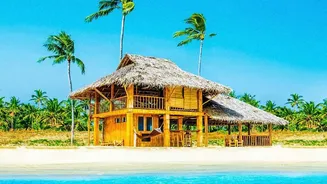
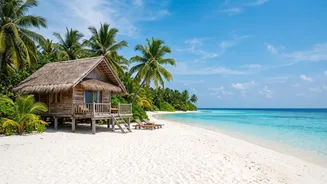
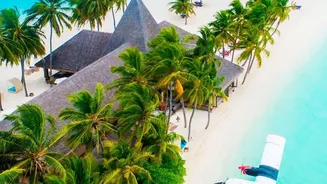
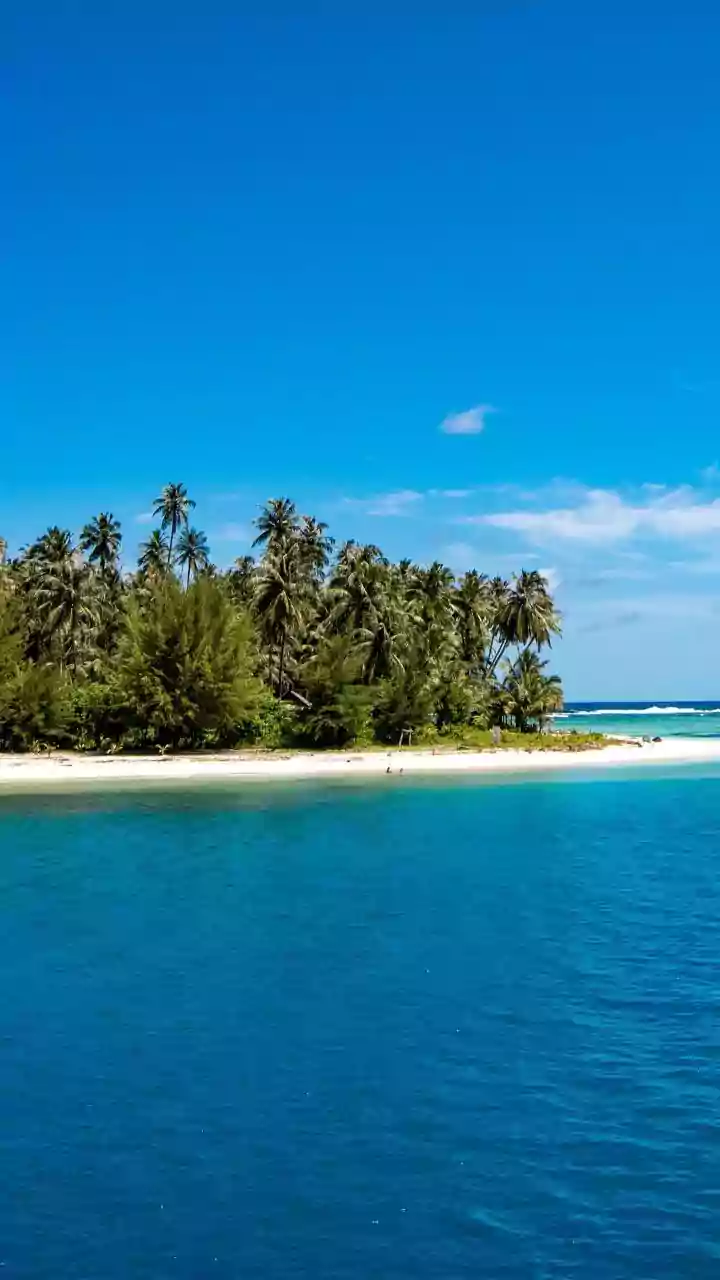
Lakshadweep is a leader in eco-tourism, with many resorts and homestays designed to have a minimal environmental impact. The Society for Promotion of Nature Tourism and Sports (SPORTS) operates several properties, including cottages and tents on islands like Bangaram, Thinnakara, and Kadmat. Bangaram Island Resort is particularly popular and is one of the few places where alcohol is permitted. For a unique luxury experience, Praveg Atoll's resort on Thinnakara Island features cocoon-shaped cottages and operates entirely on solar power. Many resorts, like Coral Paradise Beach Resort on Agatti, offer eco-friendly cottages that blend with the natural surroundings. Booking your stay is often a prerequisite for the permit, so this should be one of the first steps in your planning.
Exploring the Underwater World
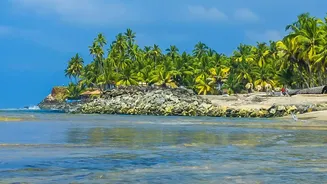
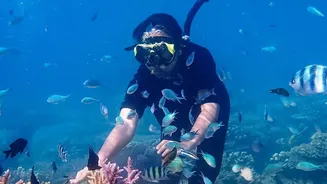
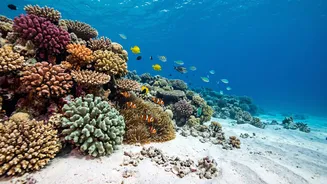
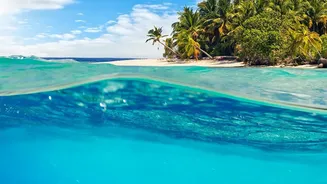
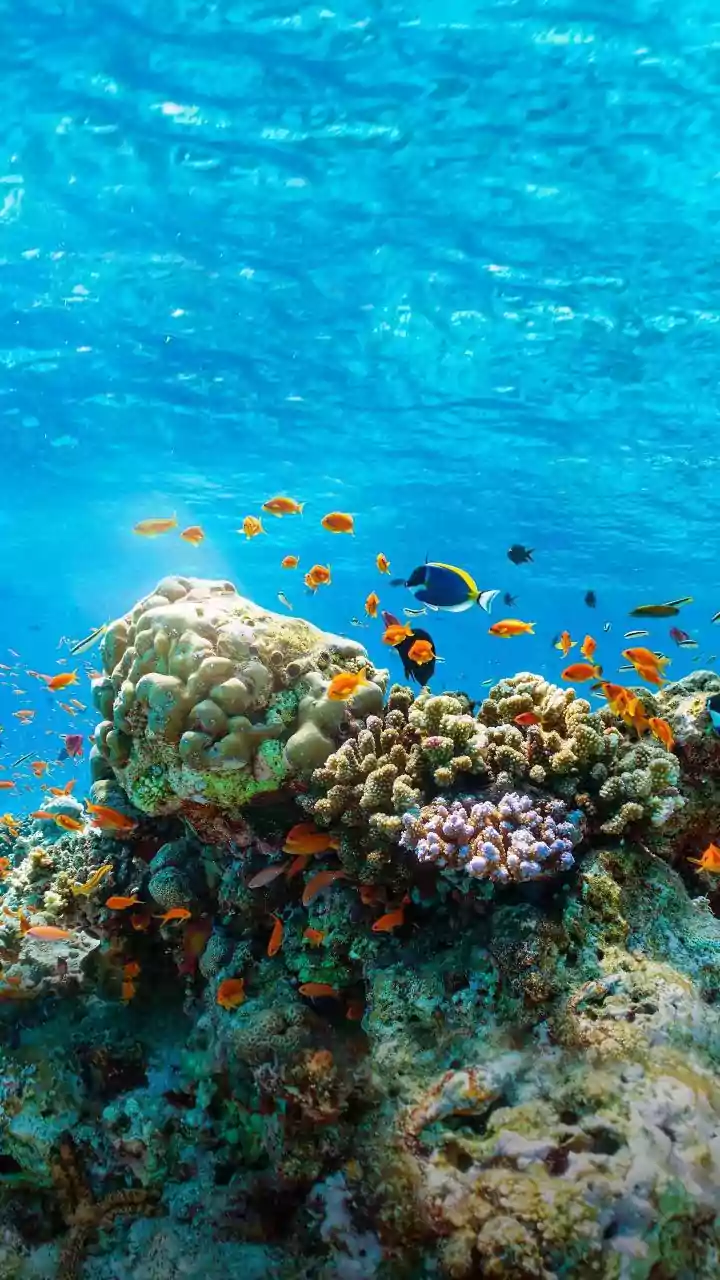
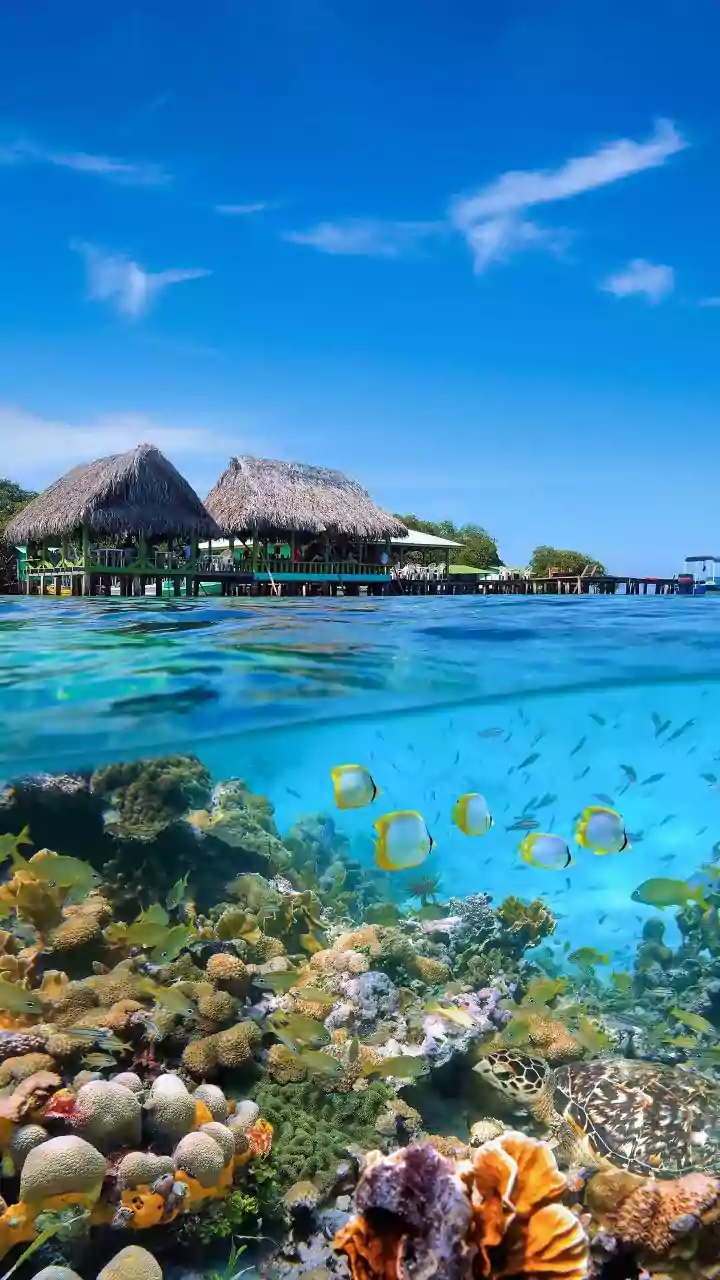
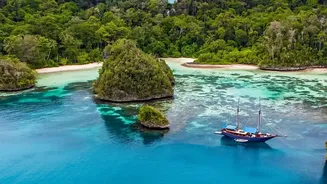
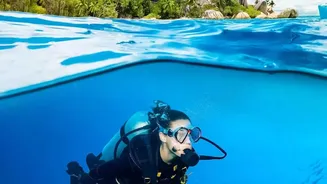
The crystal-clear lagoons are Lakshadweep's main draw, offering some of the best scuba diving and snorkelling in India. Islands like Kavaratti, Kadmat, and Bangaram are renowned for their vibrant coral reefs and rich marine life. Numerous PADI-certified dive centres offer everything from introductory 'Discover Scuba Dive' programs for beginners to advanced courses like Open Water and Rescue Diver. You can expect to see a kaleidoscopic view of colourful fish, sea turtles, and pristine coral gardens. Most resorts have attached water sports centres where you can also arrange for kayaking, glass-bottom boat tours, and other aquatic activities.