







That Deal Seems Too Good To Be True
Scammers love to lure shoppers with unbelievable discounts, especially on popular electronics, jewellery, and fashion. You might see an ad on social media for a flagship smartphone at 50% off or a luxury item at a fraction of its price. These offers are
designed to make you act fast without thinking. Fake e-commerce websites often use these deals as bait. They might look convincing, but the goal is to collect your money and personal data before vanishing. If a price is dramatically lower than every other retailer, treat it as a major red flag. A small 'registration fee' to access a deal is another trap to steal your card details.
The Website or URL Looks a Little Odd
Before you even think about your cart, inspect the website's address. Scammers often create 'lookalike' sites by mimicking well-known brands but with subtle misspellings in the URL (like an extra letter or an unusual domain like .shop instead of .com). Always look for 'https://' and a padlock icon in the address bar, which shows the connection is secure. However, even this isn't a guarantee of legitimacy. Beyond the URL, check for other signs of a fake store: a lack of a physical address or working phone number, poorly written policies with grammatical errors, and low-quality product images. A legitimate business will have clear, easy-to-find contact information and return policies.
You Get Urgent Texts About a 'Problem'
A common festive season tactic is the fake delivery notification. Scammers send text messages or emails claiming a package is stuck, your payment failed, or a delivery charge is due. These messages create a sense of urgency, pressuring you to click a link to 'fix' the problem. That link will lead to a phishing page designed to steal your login credentials or payment information. Another variation is a fake KYC (Know Your Customer) update warning, claiming your bank account or digital wallet will be frozen unless you act immediately. Always verify such claims by going directly to the official app or website of the retailer or courier service, never through a link in an unsolicited message.
They Demand Unsafe Payment Methods
Pay close attention to the payment options at checkout. Scammers often restrict payments to methods that offer little to no fraud protection, such as direct bank transfers or wire transfers. A major red flag is a seller asking you to pay with gift cards. They will ask for the card number and PIN, drain the funds, and disappear. Be wary of sellers on marketplaces who try to move the conversation to a private chat on an app to complete the payment, even if they offer an extra discount. This takes you away from any buyer protection the platform offers. Stick to secure payment gateways, credit cards (which offer chargeback protection), and official UPI channels where you verify the recipient's name before confirming.
The Social Media Store Feels Suspicious
Social media is flooded with pop-up stores during the festive season. While many are legitimate small businesses, scammers also set up fake profiles with purchased followers and generic comments. Before buying from a social media ad, investigate the account. Check how long the profile has been active and look for genuine customer interactions and complaints in the comments section. Be cautious of AI-powered scams like deepfake celebrity endorsements, which are increasingly used to promote fraudulent products. A polished profile with copied product videos is not proof of a real business. If the seller only accepts prepaid orders and has no verifiable address or contact details, it's best to walk away.
They Trick You With UPI QR Codes
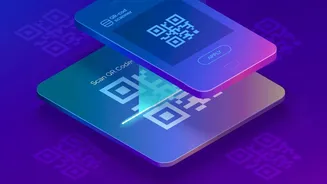
UPI scams are particularly dangerous because of their speed. A common trick involves the scammer sending you a 'collect request' or a QR code under the guise of sending you money for a refund or a prize. They might claim you need to scan the code and enter your PIN to receive the funds. However, scanning a QR code and entering your PIN are actions used to send money, not receive it. Never scan a QR code or approve a payment request from an unknown source. Always verify the recipient's name and the transaction details on your UPI app screen before entering your PIN.