





Architecture That Breathes
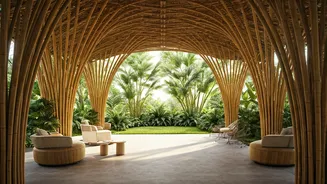
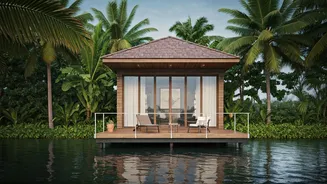
The first thing you notice about these hidden gems is how they seem to be a part of the landscape itself. Forget concrete behemoths; think single-story structures built with local, sustainable materials like reclaimed wood, terracotta tiles, and bamboo.
Walls often give way to floor-to-ceiling glass panels or open-air verandas, blurring the line between indoors and out. The design philosophy is simple: to frame the stunning natural beauty, not to compete with it. You might find yourself in a villa with a private plunge pool overlooking a serene canal, or a cabin where the open-air bathroom lets you shower under the stars, serenaded by the gentle hum of the ecosystem.
Seclusion Is the New Luxury
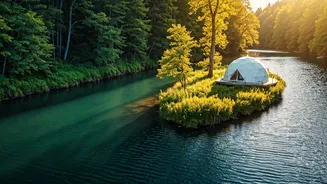
While houseboats often navigate the same busy channels, these cabins offer something increasingly rare: true privacy. Tucked away on small islands, nestled in coconut groves, or perched on the banks of lesser-known tributaries, they are sanctuaries of peace. Often, these properties consist of only a handful of individual cabins, ensuring you feel less like a tourist and more like a guest in a private paradise. Your only neighbours are the kingfishers, the egrets, and the occasional fisherman gliding by in a traditional vallam (canoe). This isn't just a holiday; it's a chance to disconnect from the noise of the world and reconnect with yourself, with the rhythm of the water as your only clock.
Hyper-Local Culinary Journeys
Luxury here isn't about imported champagne and generic menus. It’s about tasting the backwaters on a plate. Many of these boutique stays pride themselves on farm-to-table (or rather, water-to-table) dining. Imagine a personal chef preparing sadhya (a traditional feast) using vegetables grown in the on-site garden and fresh-caught karimeen (pearl spot fish) marinated in local spices. You might participate in a cooking class to learn the secrets of Keralan cuisine or enjoy a sunset meal on your private deck. The food is not just nourishment; it’s a story, a direct connection to the local culture and the fertile land surrounding you. It’s an authentic culinary experience that large hotels can rarely replicate.
An Invitation to Slow Down
The itinerary at these cabins is gloriously empty. There are no scheduled tours or bustling activities. Instead, the luxury is in the freedom to do very little. Your day might be spent reading in a hammock, taking a slow canoe trip through narrow, shaded canals inaccessible to larger boats, or trying your hand at fishing from your own veranda. You can take a guided walk through the local village, observing a way of life that has remained unchanged for centuries, or simply watch the sun set over the paddy fields, painting the sky in hues of orange and purple. This is the essence of ‘low-key’—it’s about the richness of the experience, not the rush of activities.
Mindful and Sustainable Stays
What makes these paradises truly special is their deep-rooted commitment to their environment and community. Many are built on principles of sustainability, utilising solar power, rainwater harvesting, and waste recycling systems. They often work closely with the local community, employing villagers and supporting local artisans. By choosing to stay here, you’re not just having a luxurious vacation; you are contributing to the preservation of the delicate backwater ecosystem and supporting a more responsible model of tourism. It’s a luxury that feels good, one that allows you to indulge without leaving a heavy footprint.