




What is the Pantry Trend?
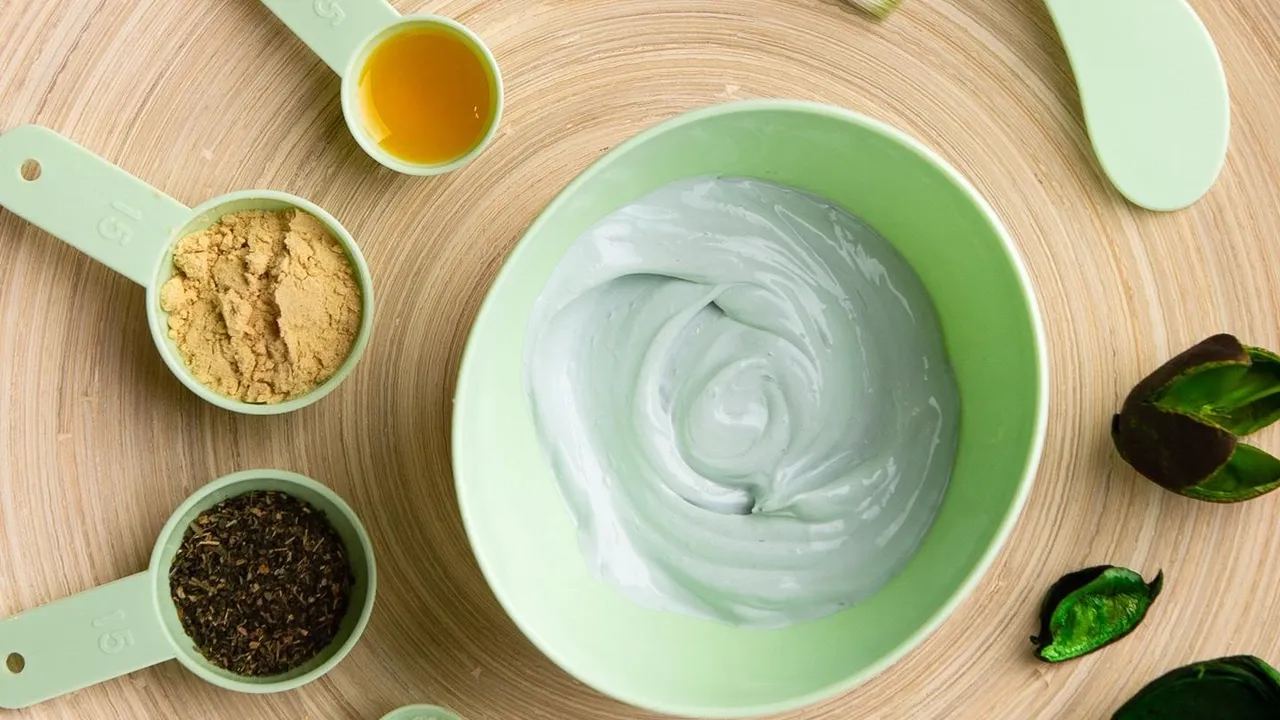
At its heart, the pantry trend is about incorporating recognizable, food-based ingredients into sophisticated beauty formulations. Think less about mushing an avocado on your face and more about finding oat extract in your calming serum, rice protein
in your shampoo, or turmeric in your brightening face mask. This movement is a direct response to a growing consumer desire for transparency and simplicity. In a world of complex chemical names on ingredient lists, seeing a familiar food item provides a sense of comfort and perceived safety. It builds on the “clean beauty” movement but narrows the focus to ingredients so simple you could, in theory, eat them. Brands are leveraging this connection, knowing that the positive associations we have with these foods as part of a healthy diet can translate into trust when we apply them to our skin and hair.
Why the Appetite for Kitchen Cosmetics?
Several cultural shifts are feeding this trend. Firstly, the wellness boom has taught us to be conscious of what we put in our bodies, and that scrutiny is now being applied to what we put on them. Secondly, social media platforms are rife with DIY beauty hacks, popularizing the idea that kitchen ingredients hold potent beauty secrets. Finally, there's a growing fatigue with complicated, 10-step routines and mystifying ingredient lists. Consumers are craving authenticity and products grounded in ingredients they can understand. This trend towards a more natural look and simpler routines makes pantry-inspired products feel both modern and trustworthy. The use of food in cosmetics isn't new—cocoa butter and olive oil have been staples for years—but the current trend focuses on showcasing these ingredients as the primary selling point.
Kitchen Stars on the Ingredient List
Certain ingredients have emerged as the superstars of this movement. Oats, long used in soothing baths, are now formulated into cleansers and moisturisers for their calming properties. Rice water and rice protein, traditional staples in Asian beauty rituals, are celebrated for their purported ability to strengthen hair and hydrate skin. Turmeric, a cornerstone of Ayurvedic practice, is featured in masks and serums for its anti-inflammatory and antioxidant benefits. Coffee, specifically caffeine and coffee grounds, is a popular ingredient in body scrubs and eye creams, valued for its exfoliating and de-puffing effects. Even ingredients like aloe, mushrooms, and various fruit extracts are being harnessed for their unique properties, from hydration to improving skin elasticity.
The Expert View: Hype vs. True Help
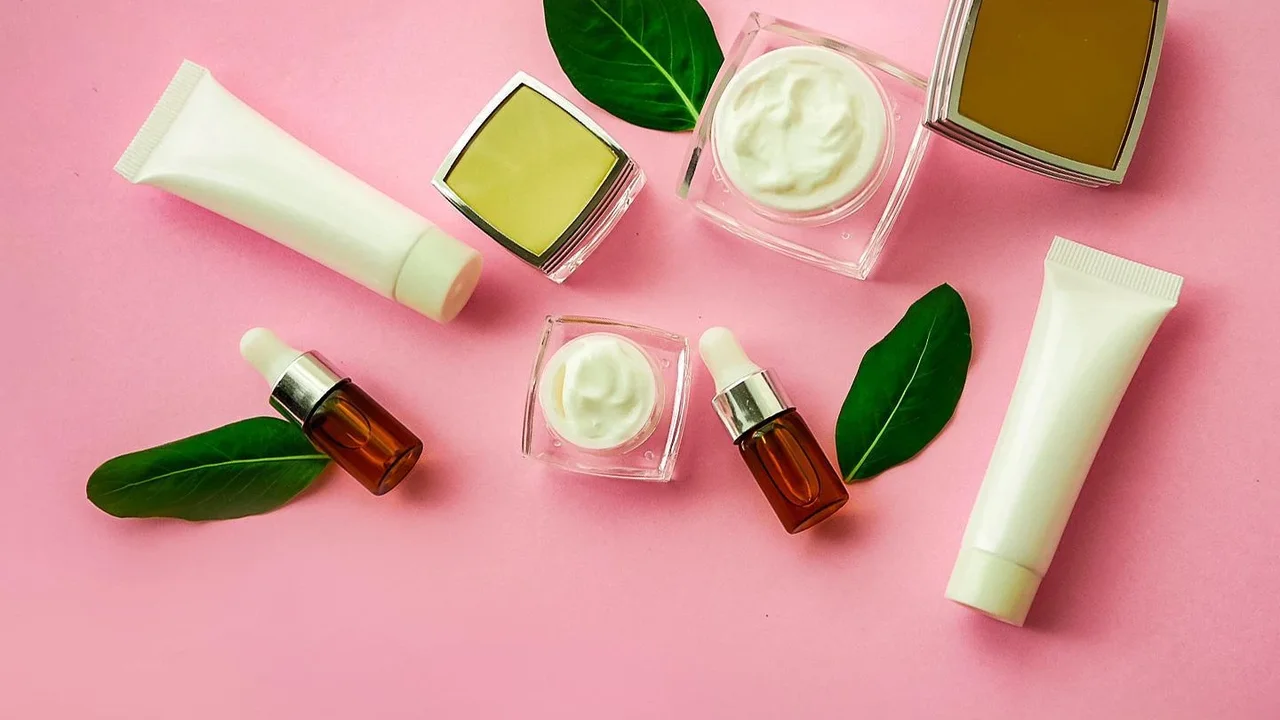
While the trend is appealing, dermatologists and cosmetic chemists offer a crucial dose of reality. Just because an ingredient is "natural" or edible doesn't automatically make it better or safer for your skin. The key difference lies in formulation. A professionally formulated product uses a specific extract of an ingredient at a proven concentration, ensuring it is stable, effective, and can penetrate the skin. Simply applying a raw ingredient from your kitchen might not deliver the same benefits and could even cause irritation or allergic reactions. Cosmetic scientists take food-grade ingredients and process them to be suitable and safe for cosmetic use, which can involve purification and ensuring they don't spoil in the product. So, while the pantry provides inspiration, the lab provides the efficacy and safety.
How to Be a Smart Shopper
Navigating this trend as a savvy consumer means looking beyond the marketing buzz. When you see a food ingredient highlighted on the front of a bottle, turn it over and check where it falls on the official ingredient list (the INCI list). Ingredients are listed in order of concentration, so if rice extract is near the bottom, it's present in a very small amount. Look for brands that are transparent about their formulations and invest in efficacy testing. Remember that "natural" is not a regulated term, and even natural ingredients can cause reactions, so patch-testing a new product is always a wise move. The goal is to find products that successfully blend the best of nature with the precision of science.