



What Are Carrying Exercises?
At its core, a carrying exercise—often called a 'loaded carry'—is exactly what it sounds like: you pick up a heavy object and walk with it. It’s one of the most fundamental human movements, something we do every day without a second thought. In a fitness
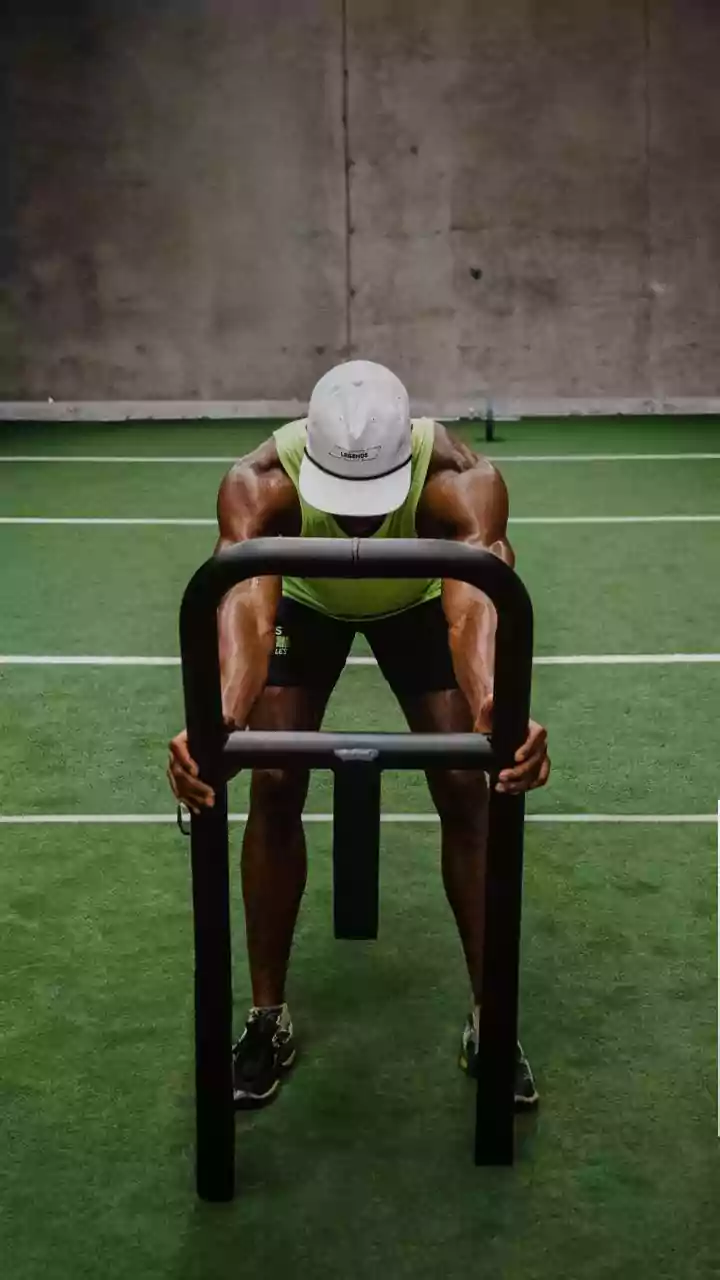
context, this simple act is transformed into a powerful tool for building a different kind of strength. Unlike static lifts like a bicep curl or a bench press, loaded carries are dynamic. They force your entire body to work as a single, coordinated unit to stay stable while in motion. This could involve holding weights in both hands, just one, in front of your chest, or even overhead.
The Bridge to Real-World Strength
The true magic of carrying exercises is their incredible translation to daily life. Life doesn't happen on a stable bench or a perfectly flat lifting platform. It involves moving furniture, carrying a tired child, or navigating a crowded market with bags in hand. These activities require what is known as functional strength. Loaded carries build this by training your body to manage and stabilise awkward loads while moving. They improve the connection between your upper and lower body, making you more efficient and resilient in everyday tasks. This type of training prepares your body for the unpredictable physical demands of the real world far better than many isolated gym exercises can.
More Than Just Muscle
The benefits of carrying exercises go far beyond just building bigger muscles. They are a powerhouse for developing a strong, stable core. As you walk with a weight, your abdominal and back muscles have to fire constantly to keep your torso upright and prevent you from leaning or twisting. This develops a braced, resilient midsection that protects your spine. Furthermore, your grip strength will improve dramatically. Research has even shown that grip strength can be a significant indicator of overall health. Finally, carries challenge your posture, forcing you to keep your shoulders back and your chest proud, which can help counteract the slouching posture many develop from sitting at desks.
Three Essential Carries to Get Started
Getting started is simple. You only need a dumbbell or a kettlebell. Focus on maintaining good posture: stand tall, keep your core engaged, and take controlled steps. 1. The Farmer's Walk: This is the classic carrying exercise. Hold a weight of equal size in each hand, like you’re carrying two heavy suitcases. Keep your shoulders pulled back and walk for a set distance or time. This variation is fantastic for building overall strength and improving your grip. 2. The Suitcase Carry: This is similar to the farmer's walk, but you only hold one weight in one hand. This imbalance creates a significant challenge for your core, particularly your obliques, as they work hard to keep your body from leaning to the side. It's a great way to build stability and address muscular imbalances. 3. The Goblet Carry: Hold a single kettlebell or dumbbell with both hands in front of your chest, as if it were a goblet. Keep your elbows tucked in and walk. This variation places more demand on your core and upper back to stay upright.
How to Add Carries to Your Routine
You don’t need to build your entire workout around carries to see the benefits. One of the easiest ways to incorporate them is as a 'finisher' at the end of your regular strength training session. Aim to perform them once or twice a week. You can choose one variation and perform it for 2-3 sets. You can measure your progress by either trying to cover more distance in the same amount of time, or by slightly increasing the weight as you get stronger. The key is to start with a manageable weight that allows you to maintain perfect posture. As soon as your form starts to break down—your back rounds or your shoulders slump—the set is over. The goal is to reinforce good posture under load, not practice poor movement patterns.