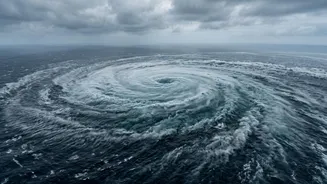



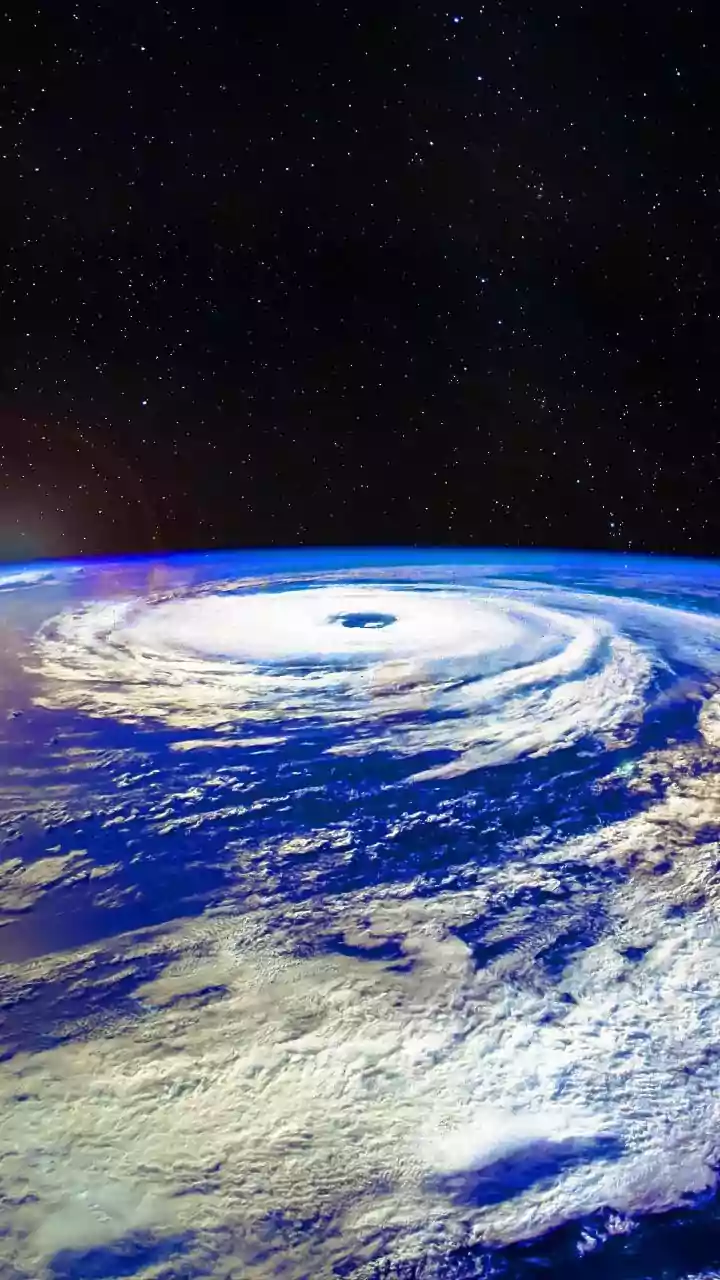


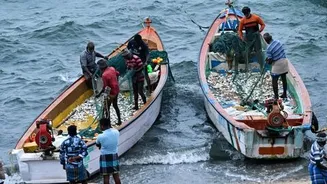
India's coastlines have always been shaped by cyclonic storms, but the familiar patterns are changing. The once-calmer Arabian Sea is growing more turbulent, raising new questions even as the Bay of Bengal remains a perennial threat.
A Tale of Two Seas
For generations, India's
relationship with cyclones has been overwhelmingly defined by the Bay of Bengal. Historically, the Bay has been a hotbed of storm activity, generating five times more cyclones than its western counterpart, the Arabian Sea. The reasons are rooted in geography and oceanography; the Bay's shallow, warm waters and semi-enclosed, funnel-like shape make it an ideal breeding ground for devastating storms. This has meant that India's eastern coast, particularly states like Odisha and West Bengal, has borne the brunt of cyclonic fury, developing robust disaster management protocols over decades. The Arabian Sea, by contrast, was traditionally cooler and its atmospheric conditions less conducive to storm formation, resulting in fewer and generally weaker systems.
The Unsettling Shift in the West
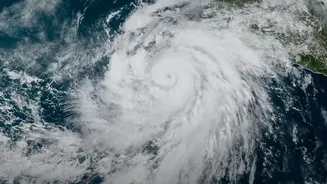
In recent years, however, that historical balance has started to shift. Climate scientists and meteorologists have observed a clear and worrying trend: a marked increase in the frequency, intensity, and duration of cyclones in the Arabian Sea. Since the turn of the century, the basin has witnessed a significant uptick in the number of severe cyclones. Storms are not only forming more often but are also undergoing 'rapid intensification'—a phenomenon where a cyclone's wind speed increases dramatically in a very short period, making it far more dangerous and difficult to forecast. This change is forcing a major rethink of preparedness along India's west coast, which has historically been less exposed to such powerful weather systems.
What's Driving the Change?
The primary driver behind the Arabian Sea's newfound volatility is ocean warming. Cyclones are essentially giant heat engines that draw their energy from warm ocean waters. The Arabian Sea is warming at a faster rate than most other ocean basins globally. Sea surface temperatures consistently exceeding 28 degrees Celsius provide the potent fuel needed for storms to form and strengthen. Furthermore, changes in atmospheric patterns, including reduced vertical wind shear—the difference in wind speed and direction at different altitudes—are creating a more favourable environment. While strong wind shear can tear a developing storm apart, the weakening of this factor in the Arabian Sea allows cyclones to grow more organised and powerful.
The Bay of Bengal’s Enduring Threat
While the Arabian Sea's transformation grabs headlines, the Bay of Bengal has not become any less dangerous. It remains a uniquely threatening body of water. The constant influx of fresh water from major rivers like the Ganga and Brahmaputra creates a low-salinity layer on the surface that traps heat, keeping the upper ocean exceptionally warm and ready to fuel storms. Its concave coastline concentrates storm surge, leading to catastrophic coastal flooding. Cyclones that form here continue to pose an immense threat, and while the frequency hasn't seen the same dramatic percentage-wise jump as in the Arabian Sea, the potential for extremely severe cyclones remains a constant and critical danger for the millions living along the eastern coast.
Why Regional Nuances Matter Now More Than Ever
The evolving situation means that India can no longer rely on a singular, east-coast-focused cyclone strategy. The distinct characteristics of each sea demand a tailored approach. For the Arabian Sea, the challenge lies in adapting to a new and intensifying threat. This involves upgrading infrastructure, improving forecasting models to better predict rapid intensification, and building a culture of preparedness in populations that are less accustomed to severe storms. For the Bay of Bengal, the focus must be on reinforcing existing defences and preparing for potentially stronger storms, even if their frequency remains relatively stable. Understanding these regional differences is not just an academic exercise; it is fundamental to protecting lives and livelihoods on both of India's increasingly vulnerable coastlines.