



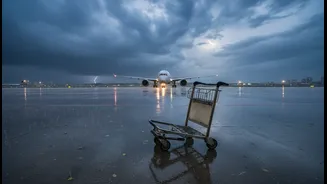


The Reality of Monsoon Disruptions
Every year, the monsoon season brings heavy rainfall, thunderstorms, and cyclones that significantly impact India's aviation industry. These weather events are considered 'force majeure' or extraordinary circumstances beyond an airline's control. While
this classification has important implications for compensation, it does not leave passengers without recourse. The Directorate General of Civil Aviation (DGCA) has a Passenger Charter that outlines specific airline obligations. Knowing where these obligations end and where personal insurance coverage begins is crucial for a smoother travel experience when the weather turns foul.
Your Rights: What Airlines Owe You
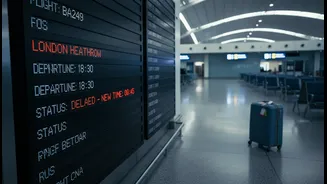
Under DGCA regulations, when a flight is cancelled or significantly delayed due to bad weather, airlines are exempt from paying monetary compensation that might otherwise be due for operational failures. However, they still have a duty of care. For a cancelled flight, the airline must offer you a choice: a full refund of the ticket fare or a seat on an alternative flight to your destination. For long delays, airlines are often required to provide assistance. This typically includes free meals and refreshments after a certain number of hours and, for overnight delays, hotel accommodation and transport between the airport and the hotel. These rights apply regardless of whether you booked directly or through a travel agent.
The Limits of Airline Responsibility
The critical point to understand is that an airline’s primary responsibility during a weather delay is to get you to your destination or refund your ticket. Their duty to provide accommodation is generally linked to getting you on their next available flight. It does not extend to covering consequential losses. For instance, if your delayed flight causes you to miss a prepaid, non-refundable hotel booking at your destination, or a connecting flight with a different airline, the first airline is typically not liable for those costs. This is the gap where your passenger rights end and the need for separate coverage becomes apparent.
Travel Insurance: Bridging the Coverage Gap
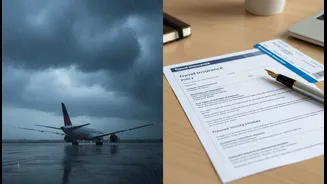
This is where a good travel insurance policy proves its worth. Travel insurance is designed to cover the unexpected financial losses that airlines do not. A policy with trip delay and cancellation benefits can reimburse you for costs incurred due to a covered disruption like severe weather. This can include the cost of a new flight to catch up with a tour, non-refundable hotel or event bookings you miss, and additional expenses for meals and lodging beyond what the airline provides. Essentially, while the airline handles the immediate flight issue, insurance helps manage the financial fallout for the rest of your trip.
Decoding Your Insurance Policy
Not all travel insurance is created equal. Before you buy a policy, check the fine print specifically for weather-related disruptions. Look for the 'trip delay' benefit, and note the required delay time before you can claim (often 6 to 12 hours). Also, verify what expenses are covered, such as accommodation and meals, and up to what limit. 'Trip cancellation' and 'trip interruption' are also key benefits; cancellation protects your non-refundable costs if you have to cancel before leaving, while interruption covers you if your trip is cut short after it has begun. Be aware that basic insurance offered by airlines during booking may have limited coverage compared to a comprehensive, standalone policy.
Your Action Plan During a Delay
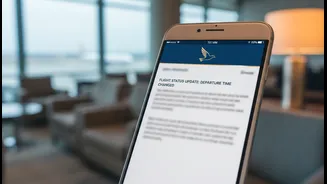
When your flight is delayed or cancelled, stay calm and get organised. First, speak to the airline staff. Find out the reason for the delay and the expected duration. If possible, get a written confirmation from the airline that the disruption is due to weather. Next, understand your options: are they offering a refund or rebooking? Concurrently, contact your travel insurance provider to inform them of the delay. Keep every receipt for extra expenses you incur, like food, drinks, or a hotel room. These documents will be essential for filing a claim with your insurer. If the airline fails to provide the mandated assistance, you can file a grievance through the AirSewa portal.