







The Promise vs. The Problem
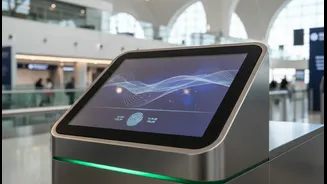
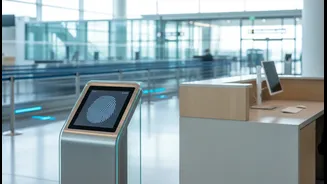
India's DigiYatra initiative is built on a compelling vision: using your face as your boarding pass to glide through airport queues. At its best, it's a glimpse of a frictionless future, reducing wait times and manual document checks significantly. This
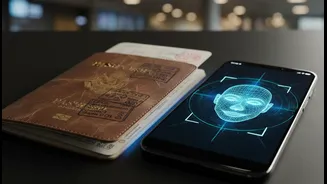
system, now active at major airports covering the vast majority of domestic air travel, allows passengers to link their Aadhaar details and a selfie to their flight ticket, creating a single biometric token for their journey. However, the system's elegance disappears the moment it fails. When the e-gate camera doesn't recognise you, the promised seamlessness shatters, and passengers are often left confused, anxious, and scrambling for a backup plan, sometimes with the boarding clock ticking down.
Why The Algorithm Says 'No'
Facial recognition technology, while advanced, is far from infallible. A failure can be triggered by something as simple as poor lighting, new glasses, a different hairstyle, or even just standing at the wrong angle. But more troubling are the systemic issues of algorithmic bias. Studies have consistently shown that facial recognition systems can have higher error rates for women and individuals with darker skin tones. This is often because the datasets used to train these algorithms are not sufficiently diverse. Recent incidents in India have also highlighted specific challenges, such as the system repeatedly failing to distinguish between identical twins travelling together, treating them as a single person attempting duplicate access. These are not just technical glitches; they are built-in flaws that can lead to disproportionate inconvenience for certain groups of people.
The Human Cost of a Machine's Error
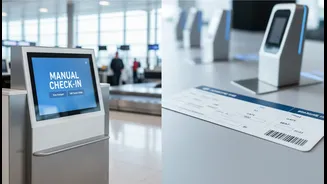
While DigiYatra is voluntary and a manual verification process is always available, the reality on the ground can be chaotic. When a facial scan fails, particularly during peak hours, passengers are directed back to the conventional queues, which are often longer precisely because so many other travellers have successfully used the automated system. This creates a stressful two-tier experience where the technology's failure becomes the passenger's penalty. You are pushed from a fast lane to a slow one, forced to pull out physical IDs you thought were unnecessary, and left with the rising anxiety of watching precious minutes disappear. The feeling is one of being flagged by an impersonal system, causing delays and panic for reasons entirely beyond your control, turning what should be a minor technical hiccup into a potential travel-disrupting event.
A Fallback Should Be a Safety Net, Not a Punishment
The core of the issue is not that the technology sometimes fails—all technology does. The issue is the design of the process for when it fails. A failed face match should trigger an immediate, efficient, and respectful manual check, not a walk of shame to the back of a long queue. Airport staff and CISF personnel should be trained to handle these exceptions as a routine part of the process. The fallback procedure must be as streamlined as the primary one. A passenger whose face isn't recognised is not an outlier or a problem; they are a predictable outcome of an imperfect system. The responsibility for the technology's limitations cannot be offloaded onto the traveller in the form of stress and potential missed flights. As one Indian high court has ruled in a different context, a person's identity and rights should not be determined solely by a machine, and verification must be allowed through official documents when biometrics fail.