



Getting the Basics Right
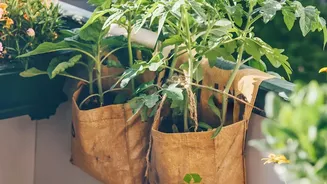
Before you start planting, a little preparation goes a long way. The foundation of a thriving balcony garden rests on three key elements: pots, soil, and sunlight. For pots, choose containers that are at least 8-12 inches in diameter to give roots enough
space to grow. Terracotta or clay pots are excellent as they are porous and prevent waterlogging. Ensure any pot you use has drainage holes at the bottom. Avoid using heavy garden soil, which can become compacted in pots and may carry pests. Instead, opt for a high-quality, well-draining potting mix. You can buy this pre-made or create your own by mixing garden soil, compost, and sand (or perlite) in a 2:1:1 ratio. This combination provides nutrients, retains adequate moisture, and allows excess water to escape.
The Sunlight Situation
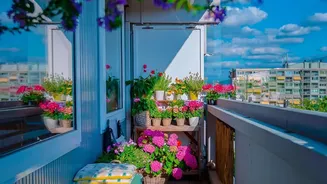
Sunlight is the energy source for your plants. Most herbs, including basil and curry leaves, thrive with at least six to eight hours of direct sunlight each day. A south or west-facing balcony is often ideal for this. However, don't be discouraged if your balcony is partially shaded. Mint is more tolerant of shade and can do well with just three to four hours of morning sun. Even basil can grow, albeit more slowly, with less direct sun. Observe your balcony at different times of the day to understand its unique light patterns before deciding where to place your pots.
All About Basil (Tulsi)
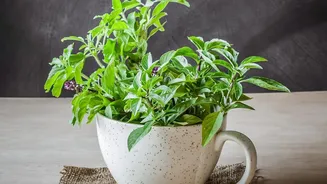
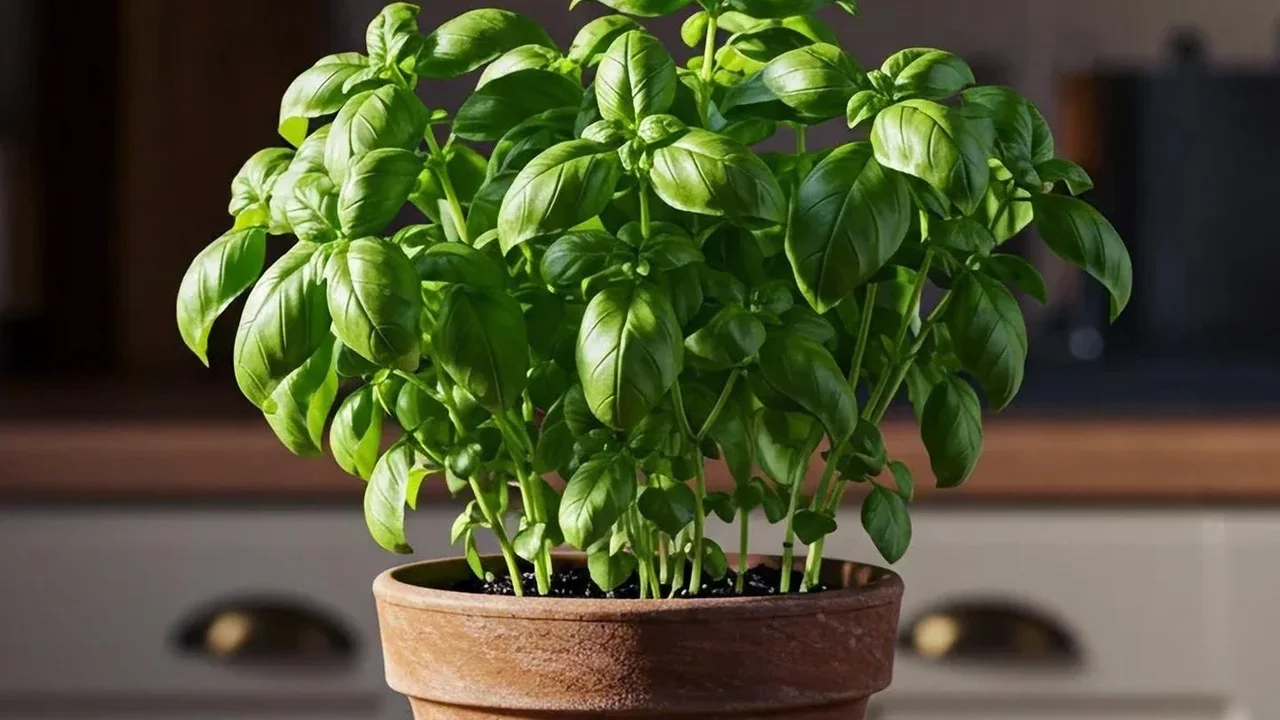
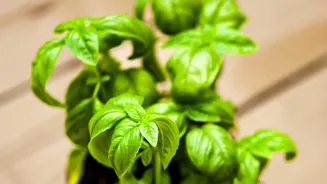
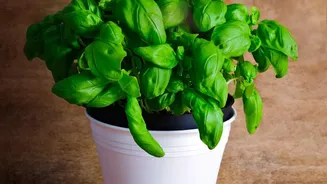
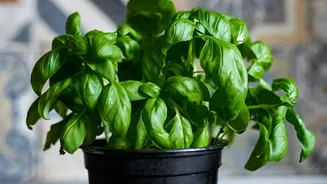
Basil is a warm-weather herb that loves sunshine and is surprisingly easy to grow in a container. Use a rich, well-draining soil mix and a pot that's at least 8 inches wide. Basil needs consistent moisture, so water it whenever the top inch of soil feels dry to the touch, which might be daily in peak summer. To encourage a bushy plant with plenty of leaves, pinch off the tips as it grows. When you see flower buds forming, be sure to pinch those off immediately. This prevents the plant from 'bolting' (going to seed), which can make the leaves bitter and stop production. Frequent harvesting is the key to a long-lasting basil plant.
Mastering Mint (Pudina)
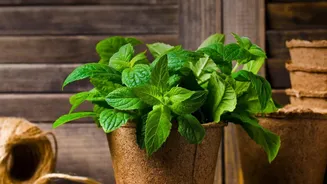
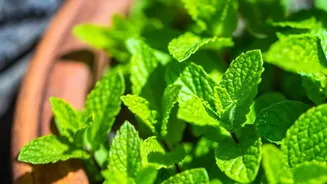
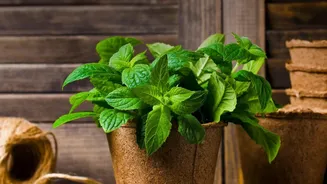
Mint is famously vigorous and grows so aggressively that it's best kept in its own pot to prevent it from taking over your entire balcony garden. This herb is less fussy about sunlight and can thrive in partial shade. Mint prefers soil that is consistently moist but not waterlogged. You can easily propagate mint from a cutting taken from a bunch you bought at the market. Just place a stem in a glass of water, and within a couple of weeks, you'll see roots forming. Once rooted, you can plant it in a pot. Harvest mint frequently by snipping stems. This encourages fuller, bushier growth and ensures you always have fresh leaves for chutneys, raitas, and refreshing drinks.
Caring for Curry Leaves (Kadi Patta)
A curry leaf plant is a staple in many Indian homes and can be grown successfully in a pot, though it requires a bit more patience. Start with a deep pot, at least 12 inches in diameter, to accommodate its root system. It needs well-draining, slightly acidic soil and loves a sunny spot with at least six hours of direct light. Water the plant thoroughly when the top layer of soil feels dry, but reduce watering during cooler winter months. To encourage a bushier plant, regularly pinch off the top leaves. You can feed the plant with organic fertilisers or even diluted buttermilk once a month to promote healthy growth. Growing from a sapling from a nursery is often easier and faster than starting from seed.