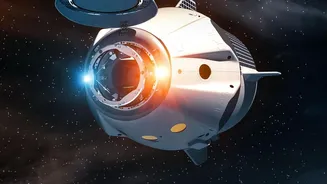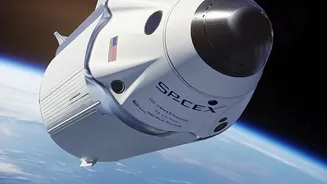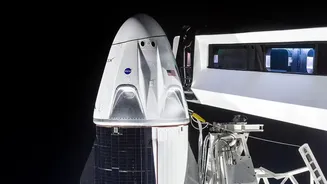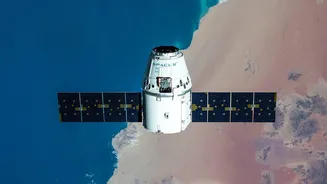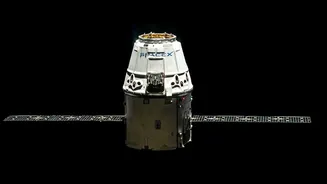

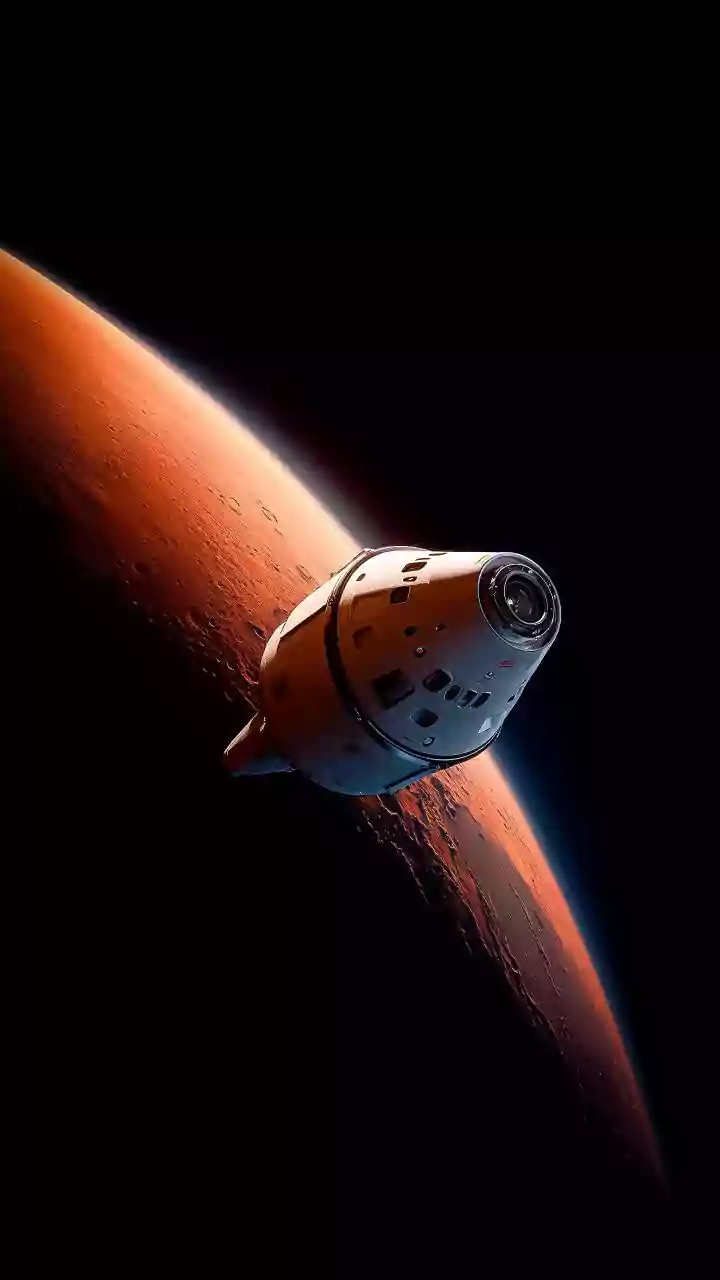
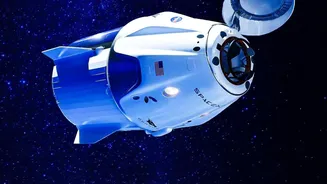
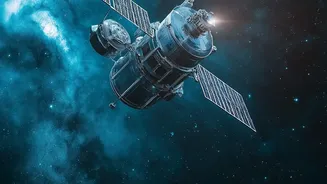
A fiery messenger from orbit has returned. The SpaceX Dragon capsule, completing its 35th resupply mission, splashed down safely, not with ordinary cargo, but with precious, space-grown biological samples that could change medicine on Earth.
A Successful Splashdown
After 37 days
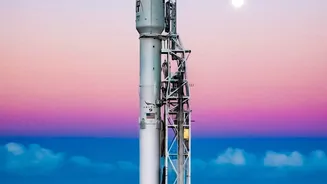
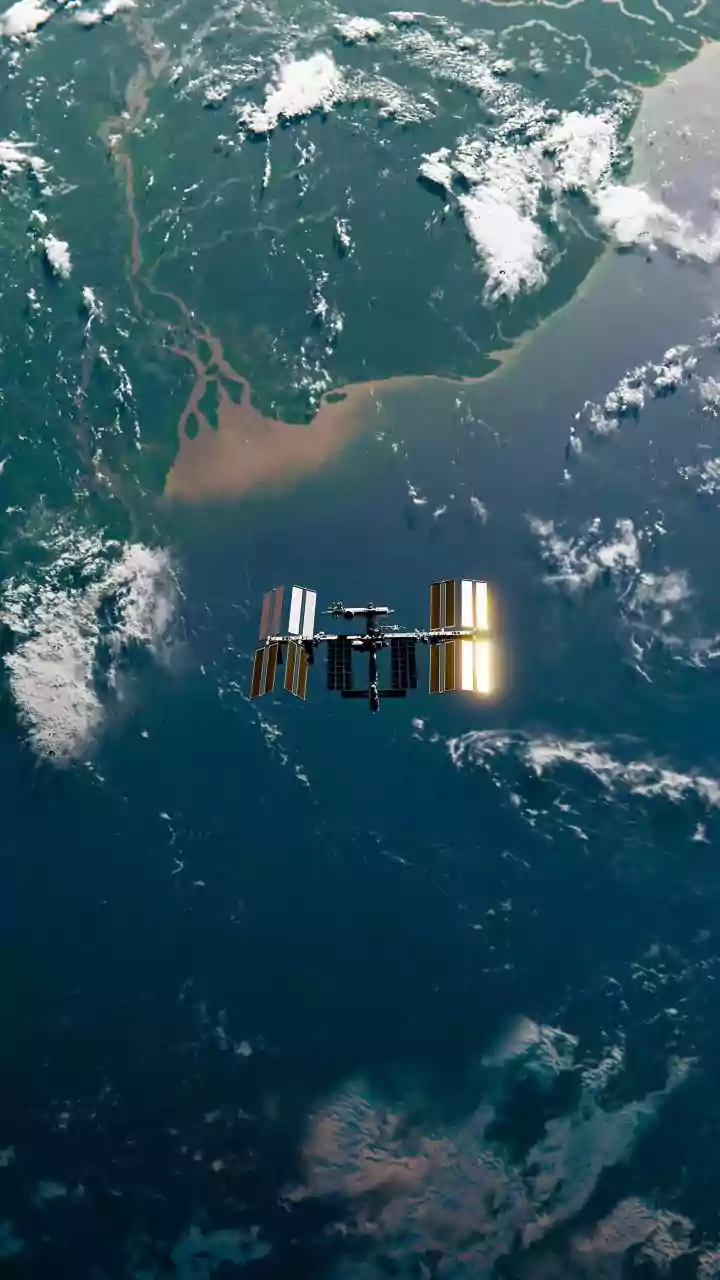
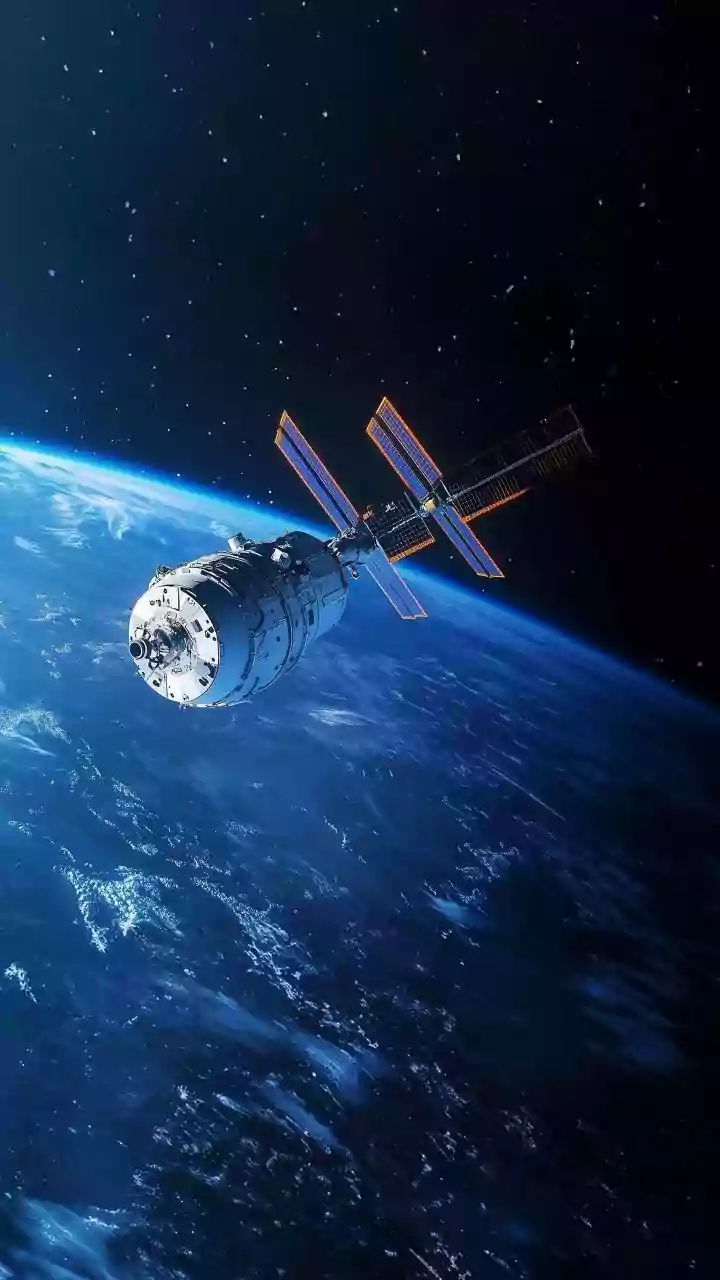
docked at the International Space Station (ISS), the SpaceX Dragon spacecraft successfully concluded its journey, splashing down in the Pacific Ocean off the coast of California on Saturday, November 21. The mission, designated CRS-35, launched on October 13 from Cape Canaveral, Florida, delivering over 2,800 kilograms of supplies, scientific gear, and hardware to the astronauts aboard the orbiting laboratory. Its return marks a critical moment for scientists, as Dragon is currently the only cargo vehicle capable of bringing research experiments and samples back to Earth intact for analysis.
Precious Biological Cargo
The most anticipated items returning from the CRS-35 mission are the biological samples cultured in the unique microgravity environment of the ISS. This includes a 3D-bioprinted blood vessel structure, which will help scientists study cardiovascular disease and the vascular aging process. Also on board were frozen tumor organoids that were treated in space, providing researchers with invaluable data that could lead to new and improved cancer treatments. These experiments are at the forefront of regenerative medicine and cancer research, leveraging the space station as a one-of-a-kind laboratory.
Why Grow Cells in Space?
On Earth, gravity pulls on cells, forcing them to grow in flat, two-dimensional layers in a petri dish. This doesn't accurately represent how they grow inside the human body. In the microgravity of space, cells can grow into complex, three-dimensional structures that more closely resemble human tissue. This 3D growth allows scientists to study cell mechanisms that are otherwise hidden by gravity's influence. The unique stresses of space have also been shown to accelerate some processes, like aging, offering a way to study diseases and cellular decline on a much faster timescale than on Earth.
Potential for Medical Breakthroughs
The research enabled by missions like CRS-35 has tremendous potential. By understanding how stem cells replicate and differentiate in a 3D environment, scientists hope to develop better methods for growing tissues and organs for transplantation. Studies on the ISS have already shown that space-grown stem cells may have enhanced regenerative abilities and can be produced in larger numbers. For diseases like cancer, studying how tumor cells behave without the influence of gravity can reveal new vulnerabilities and pathways for treatment. Ultimately, this research could accelerate the development of therapies for a wide range of conditions, from heart disease to age-related illnesses like dementia.
A Race Against Time
With the Dragon capsule now recovered, the clock is ticking. The returned samples, including the blood vessel construct and tumor organoids, are immediately transported to laboratories for urgent analysis. Scientists will compare the space-flown samples with identical control groups that remained on Earth. By examining the genetic and structural differences between them, researchers can isolate the effects of the space environment. This crucial post-flight analysis is where the real discoveries are made, turning the raw data from this orbital journey into the next wave of scientific knowledge and, potentially, life-saving medical innovations.