


Find Your Foundation: DIY Yoga Blocks
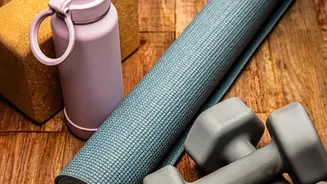
Yoga blocks provide stability and lift, bringing the floor closer to you in standing poses or supporting your hips in seated ones. Instead of purchasing foam or cork blocks, look to your bookshelf. A stack of sturdy, large books like cookbooks or textbooks
can work perfectly. Secure them with tape or rubber bands to prevent them from sliding open. You can also use small, sturdy pots or even tightly rolled bath towels secured with rubber bands. The key is to find objects of a similar height that are stable and won't collapse under your weight, allowing you to modify poses safely.
Extend Your Reach with a Makeshift Strap
A yoga strap is an invaluable tool for deepening stretches, especially for tight hamstrings and shoulders. You don’t need a specially designed D-ring strap to get the same benefits. A bathrobe tie, a non-stretchy scarf, a necktie, or a simple cloth belt from your wardrobe can serve as an excellent substitute. These items can help you gently guide your foot toward your torso in a supine hamstring stretch or help you bind your hands behind your back in other poses. The goal is to extend your reach without straining, so choose an item that is long enough and won't stretch or snap.
Get Comfortable with Homemade Bolsters and Blankets
Restorative yoga relies heavily on bolsters for deep comfort and support, but they can be expensive. Luckily, creating your own is simple. Tightly roll a couple of thick blankets or towels together to create a firm, supportive cushion. You can also use bed pillows or couch cushions. For a more structured DIY bolster, some have found success by taping two foam pool noodles together and wrapping them tightly in a thick blanket or cotton batting. Standard household blankets and towels are also perfect for cushioning your knees or for draping over your body during Savasana (Corpse Pose) to provide warmth and a sense of security.
Choose Your Sacred Corner
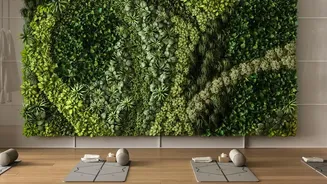
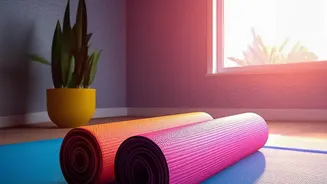
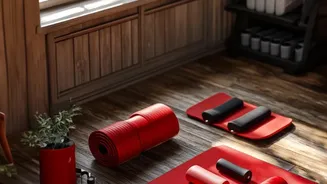
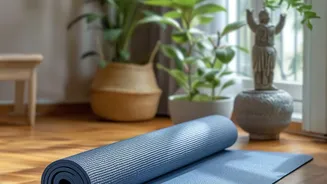
Creating a peaceful practice space is less about having a whole room and more about dedicating a specific corner. Choose a spot that feels naturally quiet and, if possible, has some natural light. It can be a nook in your bedroom, a small area of the living room, or even a space large enough for just your mat at the foot of your bed. The most important factor is consistency. By returning to the same spot each day, your body and mind will begin to associate that space with slowing down and turning inward, making it easier to get into a focused state.
Declutter for a Clear Mind
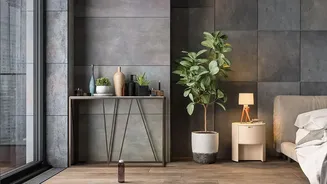
A cluttered space often leads to a cluttered mind. Before you begin your practice, take a minute to clear away any unnecessary items from your chosen spot. This simple act helps minimize distractions and signals to your brain that it's time to focus. You don't need a perfectly minimalist home; you just need a clear area around your mat. Keeping your DIY props in a basket or on a small shelf nearby makes setup and cleanup quick, removing another potential barrier to starting your practice.
Set the Mood with Senses
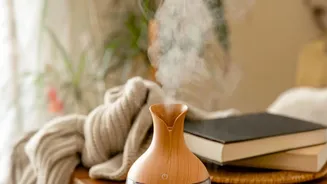
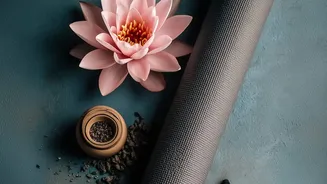
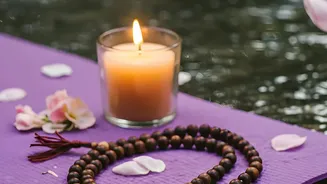
Atmosphere is crucial for creating a sanctuary. Think about engaging your senses to enhance the feeling of calm. Dim the lights or use the soft glow of a lamp instead of harsh overhead lighting. If you enjoy it, light a candle or use an essential oil diffuser with calming scents like lavender or chamomile. You can also play soft, instrumental music or nature sounds to help drown out household noise. Visual cues, like a single piece of meaningful art, a small plant, or even just the view out a window, can give your eyes a peaceful place to rest.