







The Science of 'Quick and Effective'
It may sound too good to be true, but science supports the effectiveness of short, intense workouts. The principle behind this is often linked to High-Intensity Interval Training (HIIT), which involves short bursts of all-out effort followed by brief
recovery periods. This approach is incredibly time-efficient. Studies have shown that even a few minutes of vigorous exercise can provide significant health benefits, comparable to much longer sessions of moderate activity. These intense intervals push your heart rate up, improving cardiovascular fitness and triggering a metabolic boost that can last for hours after your workout is over. This 'afterburn effect' means your body continues to burn calories at an elevated rate, making every minute of your workout count. Research confirms that accumulating exercise in shorter bouts throughout the day is just as effective as one long, continuous session for improving health markers like blood pressure and fitness levels.
Designing Your 15-Minute Circuit
A circuit is a series of exercises performed one after another with minimal rest in between. For a 15-minute workout, a simple structure works best. Aim for a 2-minute warm-up, 10-12 minutes of circuit work, and a 1-2 minute cool-down. For the main circuit, choose 4-6 exercises that target different muscle groups (push, pull, lower body, core, cardio). A popular format is to perform each exercise for 45 seconds, followed by 15 seconds of rest before moving to the next. After completing all exercises (one round), you can rest for 60 seconds and repeat the circuit until your time is up. The key is intensity; during the 'work' intervals, you should be pushing yourself hard enough that holding a conversation would be difficult. This ensures you get the maximum cardiovascular and metabolic benefits.
Sample Full-Body Home Circuit
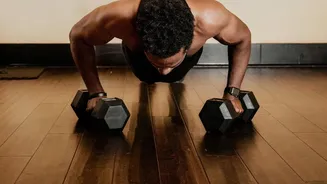
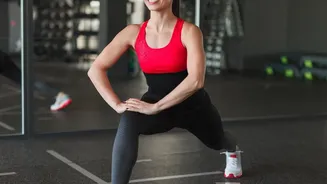
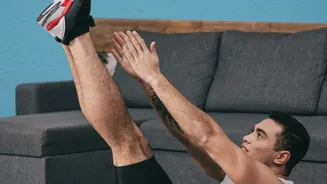
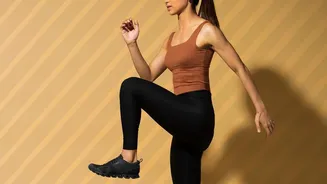
You don’t need a gym or fancy equipment to get a fantastic workout. This bodyweight circuit can be done anywhere. After a 2-minute warm-up of light jogging in place and arm circles, perform each of the following for 45 seconds, with 15 seconds of rest between moves: 1. Jump Squats: For a lower-impact version, perform regular bodyweight squats. 2. Push-ups: These can be done on your knees to modify the difficulty. 3. Reverse Lunges: Alternate legs with each repetition to work both sides evenly. 4. Plank: Hold a steady plank, keeping your core engaged and back flat. 5. Burpees: This full-body move provides a major cardio burst. For a modification, step back instead of jumping. After completing all five exercises, rest for 60 seconds. Repeat the entire circuit one more time for a total workout of just over 12 minutes, leaving time for a final cool-down stretch.
More Than Just Physical Results
While getting in shape for a celebration is a great motivator, the benefits of daily exercise extend far beyond physical appearance. Regular physical activity is a powerful tool for mental health. Exercise prompts the brain to release endorphins, often called 'feel-good' chemicals, which can boost your mood and reduce feelings of stress and anxiety. This can be particularly helpful during the often-hectic lead-up to big events. A consistent routine can also lead to better sleep, increased energy levels throughout the day, and sharper focus. People who exercise regularly often report a greater sense of well-being and self-confidence, ensuring you not only look great but feel genuinely happy and relaxed at your celebration.
Making the Habit Stick
The biggest challenge with any fitness plan is consistency. Fortunately, the brevity of a 15-minute workout makes it easier to stick with. One of the most effective strategies is to schedule your workout like an important appointment. Look at your week ahead and block out 15 minutes each day. Another useful tip is 'habit stacking', where you link your new exercise habit to an existing one, like doing your circuit right after your morning coffee. It also helps to choose exercises you genuinely enjoy and to mix up your routine to prevent boredom. Finally, focus on how you feel. The immediate mood and energy boost you get from a short workout can be a powerful motivator to keep showing up day after day.