







The Science of Sleep and Muscle
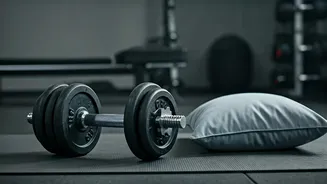
Exercise, especially strength training, is a process of breaking things down to build them back stronger. When you lift weights, you create microscopic tears in your muscle fibres. The real magic—the repair and growth—happens when you rest. This is where
sleep, and by extension napping, plays a starring role. During deep sleep, your body releases Human Growth Hormone (HGH), a critical player in repairing tissues, including muscle. Without adequate rest, your body remains in a catabolic (breakdown) state, hindering muscle protein synthesis and sabotaging the hard work you put in at the gym. A nap can provide a valuable mini-cycle of rest, allowing your body to kickstart these repair processes, reduce inflammation, and get a head start on recovery long before you go to bed for the night.
More Than Just Physical Recovery
The benefits of a nap aren’t just for your muscles; they’re for your mind, too. A quality workout requires focus, motivation, and sharp motor skills. Sleep deprivation can tank all three, leading to sloppy form, reduced motivation, and a higher risk of injury. Research has consistently shown that even a short nap can significantly improve alertness, cognitive function, and reaction time. Think of it as hitting the reset button on your brain. If you’re feeling mentally sluggish before a workout, a quick power nap can clear the fog, restoring the mental energy and determination you need to push through that last set or run that extra kilometre. It turns a workout you might have skipped into a productive, focused session.
The Perfect Power Nap Formula
Not all naps are created equal. The key to harnessing a nap's benefits without feeling groggy afterwards is to get the duration right. The 'power nap' is your best friend here. The ideal length is between 20 to 30 minutes. This is long enough to reap the cognitive and physiological benefits but short enough to prevent you from entering the deeper stages of sleep. Waking up from deep sleep is what causes 'sleep inertia'—that disoriented, groggy feeling that can ruin your productivity. By keeping it short, you get the refreshing benefits of Stage 2 sleep (associated with memory consolidation and enhanced motor skills) without the hangover. Set an alarm and commit to getting up when it goes off. You’ll wake up feeling refreshed and ready to go, not worse than before.
When Should You Nap?
Timing is everything. The best time for your nap depends on your goals and your schedule. **Pre-Workout Nap:** Taking a 20-30 minute nap about 60-90 minutes before your workout can be a game-changer. It gives you time to shake off any grogginess and hit the gym feeling energised, alert, and mentally sharp. This is perfect for days when you’re feeling fatigued after work or a long day. **Post-Workout Nap:** If your main goal is recovery, a nap after your session can be incredibly effective. After a workout, your body is primed for repair. A nap can help lower cortisol (the stress hormone) and initiate the release of HGH, fast-tracking your recovery. Just be mindful of napping too late in the day, as it could interfere with your nighttime sleep.
A Supplement, Not a Substitute
While the benefits are clear, it’s crucial to put napping in its proper context. A nap is a powerful supplement to your routine, but it is not a substitute for a full night of quality sleep. Most adults need 7-9 hours of uninterrupted sleep per night for optimal health, hormonal balance, and recovery. Chronic sleep deprivation can’t be fixed with daily naps. If you consistently feel the need for long naps just to function, it might be a sign that you need to prioritise your nightly sleep hygiene. Think of your seven-plus hours at night as the foundation of your fitness and well-being. Naps are the strategic, performance-enhancing tool you build on top of that solid base.