


The Real Cost of Kitchen Chaos
When your kitchen counter becomes a battlefield of half-empty sweet boxes and your fridge is bursting at the seams, the consequences go beyond simple clutter. Poor food storage during high-volume cooking periods leads to significant food waste, which
is a loss of both money and effort. More importantly, it creates serious food safety risks. Perishable foods left in the temperature “danger zone” (between 40°F and 140°F) can grow harmful bacteria rapidly, increasing the chances of foodborne illness right when you're hosting loved ones. The added stress of a disorganised kitchen can also diminish the joy of the festival itself, turning a labour of love into a frantic race against spoilage and mess.
Your Refrigerator Is Your Best Friend
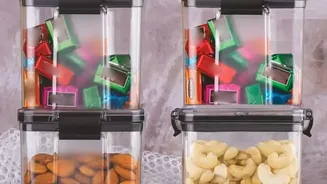
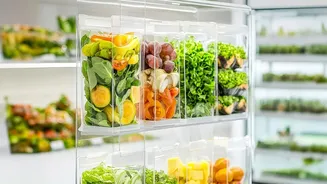
An organised fridge is the command centre of festive cooking. Before the big day, take inventory and clear out old items to make space. Group similar items together using clear, stackable containers: one for dairy, another for chopped vegetables, and a separate, sealed one for raw meats on the bottom shelf to prevent cross-contamination. Adopt the 'First In, First Out' (FIFO) principle by placing older items at the front so they get used first. It’s also wise to create an 'Eat Me First' box for leftovers or items nearing their expiry date. This simple system not only maximises space but also ensures that prepared ingredients and dishes are safe and easy to find when you need them.
Plan Ahead with Smart Preparation
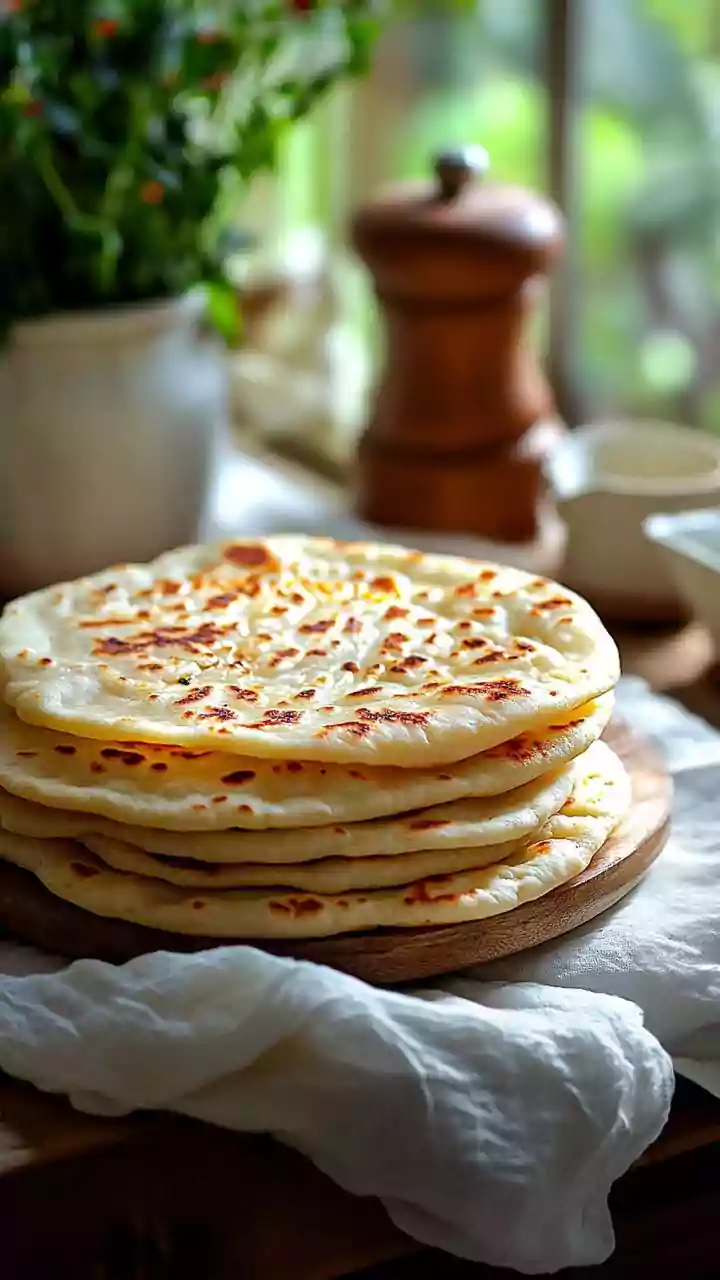
A lot of festive cooking stress comes from last-minute prep. You can get ahead by preparing ingredients and even entire components of dishes in advance. Chopped onions, ginger-garlic paste, pureed tomatoes, and spice mixes can be made ahead and stored in airtight containers in the fridge. Doughs for puris or polis can be prepared and refrigerated. Even sweets like modaks or laddoos can often be made a day or two early. Let cooked items cool completely before refrigerating to prevent condensation, which can affect texture and promote bacterial growth. This 'freeze en place' approach breaks down overwhelming recipes into manageable tasks, freeing up your time on the main festival day to focus on cooking and hosting.
Mastering the Art of Mithai Storage
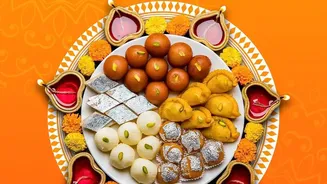
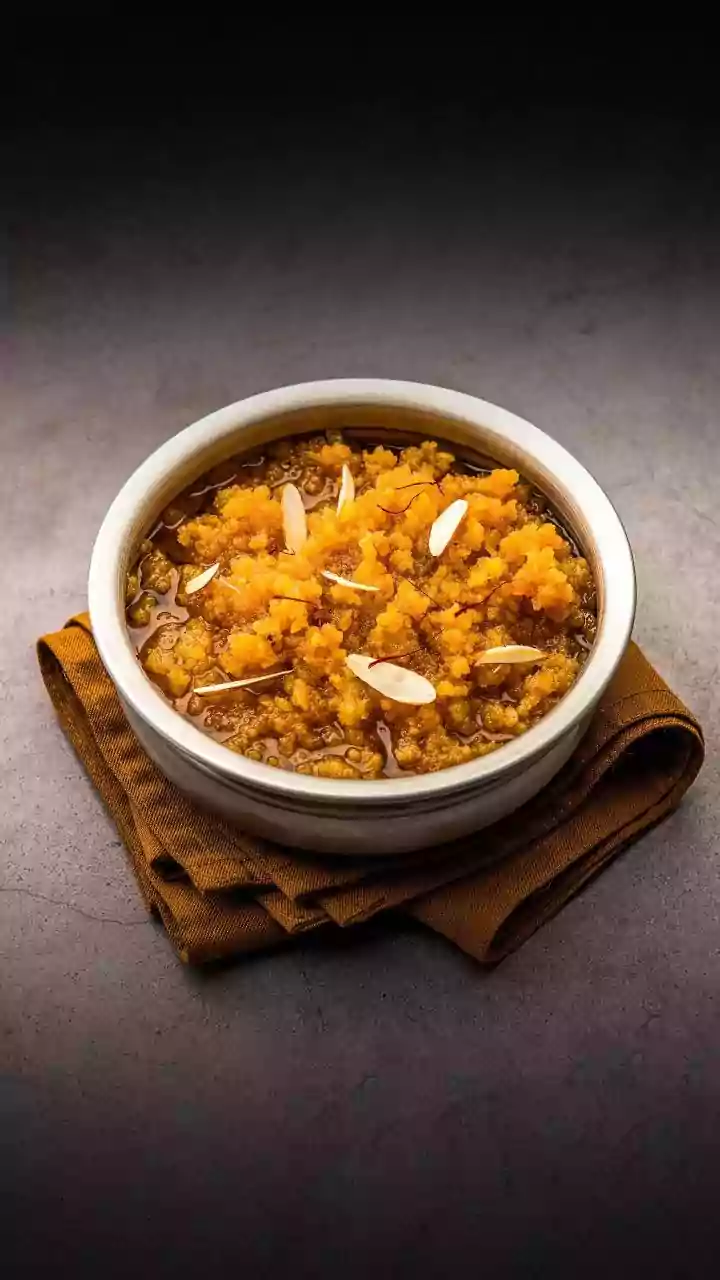
Festivals mean an influx of sweets, both homemade and gifted. To prevent them from becoming a sticky, stale mess, proper storage is essential. The first step is to separate dry sweets like soan papdi from syrupy ones like gulab jamun or moist ones like pedas. Store them in separate airtight containers to maintain their individual textures. Labelling boxes with the date you received them can help you track freshness and consume the oldest ones first. For longer shelf life, many Indian sweets can be frozen. When it's time to serve, simply thaw them at room temperature. Always use clean, dry cutlery when serving from a container to prevent introducing moisture or bacteria.
Giving Leftovers a Second Life
Despite careful planning, leftovers are a festive inevitability. Instead of letting them languish in the back of the fridge, have a plan. Cool leftovers as quickly as possible and store them in clear, airtight containers in the fridge within two hours of cooking. If you have a large amount of a dish, divide it into smaller portions to help it cool faster. Get creative with repurposing them: leftover curries can become fillings for parathas or sandwiches, while crumbled sweets can be used as a topping for ice cream or yogurt. If you simply have too much, consider sharing with neighbours or donating to a local food bank or community organisation, turning your excess into an act of festive generosity.